Schneider Electric Modicon Controllers

 ​View CSAF
1. EXECUTIVE SUMMARY

CVSS v3 10.0
ATTENTION: Exploitable remotely/low attack complexity
Vendor: Schneider Electric
Equipment: Modicon M580, Modicon M340, Modicon Premium, and Modicon Quantum
Vulnerabilities: Trust Boundary Violation, Uncaught Exception, Exposure of Sensitive Information to an Unauthorized Actor, Authentication Bypass by Spoofing, Improper Access Control, Reliance on Untrusted Inputs in a Security Decision, Out-of-bounds Read

2. RISK EVALUATION
Successful exploitation of these vulnerabilities may risk execution of unsolicited command on the PLC, which could result in a loss of availability of the controller.
3. TECHNICAL DETAILS
3.1 AFFECTED PRODUCTS
Schneider Electric reports that the following products are affected:

Modicon M580: All versions prior to 2.90 (CVE-2018-7846, CVE-2018-7849, CVE-2018-7848, CVE-2018-7842, CVE-2018-7847, CVE-2018-7850, CVE-2018-7853, CVE-2018-7854, CVE-2019-6808, CVE-2019-6828, CVE-2019-6829, CVE-2019-6809)
Modicon Momentum CPU (part numbers 171CBU*): All versions (CVE-2018-7857)
Modicon Quantum: All versions prior to 3.60 (CVE-2018-7843, CVE-2018-7845, CVE-2018-7852, CVE-2018-7856, CVE-2019-6807)
Modicon Quantum: All versions (CVE-2018-7846, CVE-2018-7849, CVE-2018-7848, CVE-2018-7842, CVE-2018-7847, CVE-2018-7850, CVE-2018-7855, CVE-2018-7857, CVE-2019-6806, CVE-2019-6808, CVE-2018-7844, CVE-2019-6828, CVE-2019-6809)
Modicon Premium: All versions (CVE-2018-7846, CVE-2018-7849, CVE-2018-7848, CVE-2018-7842, CVE-2018-7847, CVE-2018-7850, CVE-2018-7855, CVE-2018-7857, CVE-2019-6806, CVE-2019-6808, CVE-2018-7844, CVE-2019-6828, CVE-2019-6809)
Modicon Premium: All versions prior to 3.60 (CVE-2018-7852, CVE-2019-6807)
PLC Simulator for EcoStruxure Control Expert: All versions prior to 15.1 (CVE-2018-7857)
Modicon Premium: All versions prior to 3.20 (CVE-2018-7843, CVE-2018-7845, CVE-2018-7852, CVE-2018-7856, CVE-2019-6807)
Modicon Momentum Unity M1E Processor (part numbers 171CBU*): All versions prior to SV2.6 (CVE-2018-7857, CVE-2019-6807)
Modicon M580: All versions prior to sv4.20 (CVE-2018-7855)
Modicon M340: All versions prior to SV3.60 (CVE-2018-7855)
Modicon MC80: All versions (CVE-2018-7855)
Modicon Momentum M1E: All versions (CVE-2018-7855)
Modicon M580: All versions prior to 2.80 (CVE-2018-7843, CVE-2018-7845, CVE-2018-7852, CVE-2018-7856, CVE-2019-6807, CVE-2019-6830)
Modicon Quantum Safety: All versions (CVE-2018-7846, CVE-2018-7849, CVE-2018-7848, CVE-2018-7842, CVE-2018-7847, CVE-2018-7850, CVE-2018-7852, CVE-2018-7855, CVE-2018-7857, CVE-2019-6806, CVE-2019-6808, CVE-2018-7844)
Modicon M340: All versions prior to 3.10 (CVE-2018-7846, CVE-2018-7849, CVE-2018-7843, CVE-2018-7848, CVE-2018-7842, CVE-2018-7847, CVE-2018-7850, CVE-2018-7845, CVE-2018-7852, CVE-2018-7854, CVE-2018-7856, CVE-2019-6807, CVE-2019-6808, CVE-2019-6828, CVE-2019-6829, CVE-2019-6809)
Modicon M340: All versions (CVE-2018-7857, CVE-2019-6806, CVE-2018-7844)
Modicon M580: All versions (CVE-2018-7857, CVE-2019-6806, CVE-2018-7844)
Modicon MC80 BMKC80*: Versions prior to 1.80 (CVE-2018-7857)

3.2 VULNERABILITY OVERVIEW
3.2.1 TRUST BOUNDARY VIOLATION CWE-501
A trust boundary violation vulnerability on connection to the controller exists, which could cause unauthorized access by conducting a brute force attack on Modbus protocol to the controller.
CVE-2018-7846 has been assigned to this vulnerability. A CVSS v3 base score of 5.3 has been calculated; the CVSS vector string is (CVSS:3.0/AV:N/AC:L/PR:N/UI:N/S:U/C:N/I:N/A:L).
A CVSS v4 score has also been calculated for  CVE-2018-7846. A base score of 6.9 has been calculated; the CVSS vector string is (CVSS:4.0/AV:N/AC:L/AT:N/PR:N/UI:N/VC:N/VI:N/VA:L/SC:N/SI:N/SA:N).
3.2.2 UNCAUGHT EXCEPTION CWE-248
An uncaught exception vulnerability exists, which could cause a possible denial-of-service due to improper data integrity check when sending files to the controller over Modbus.
CVE-2018-7849 has been assigned to this vulnerability. A CVSS v3 base score of 7.5 has been calculated; the CVSS vector string is (CVSS:3.0/AV:N/AC:L/PR:N/UI:N/S:U/C:N/I:N/A:H).
A CVSS v4 score has also been calculated for  CVE-2018-7849. A base score of 8.7 has been calculated; the CVSS vector string is (CVSS:4.0/AV:N/AC:L/AT:N/PR:N/UI:N/VC:N/VI:N/VA:H/SC:N/SI:N/SA:N).
3.2.3 UNCAUGHT EXCEPTION CWE-248
An uncaught exception vulnerability exists, which could cause denial-of-service when reading memory blocks with an invalid data size or with an invalid data offset in the controller over Modbus.
CVE-2018-7843 has been assigned to this vulnerability. A CVSS v3 base score of 7.5 has been calculated; the CVSS vector string is (CVSS:3.0/AV:N/AC:L/PR:N/UI:N/S:U/C:N/I:N/A:H).
A CVSS v4 score has also been calculated for  CVE-2018-7843. A base score of 8.7 has been calculated; the CVSS vector string is (CVSS:4.0/AV:N/AC:L/AT:N/PR:N/UI:N/VC:N/VI:N/VA:H/SC:N/SI:N/SA:N).
3.2.4 EXPOSURE OF SENSITIVE INFORMATION TO AN UNAUTHORIZED ACTOR CWE-200
An information exposure vulnerability exists, which could cause the disclosure of SNMP information when reading files from the controller over Modbus.
CVE-2018-7848 has been assigned to this vulnerability. A CVSS v3 base score of 5.9 has been calculated; the CVSS vector string is (CVSS:3.0/AV:N/AC:H/PR:N/UI:N/S:U/C:H/I:N/A:N).
A CVSS v4 score has also been calculated for  CVE-2018-7848. A base score of 8.2 has been calculated; the CVSS vector string is (CVSS:4.0/AV:N/AC:H/AT:N/PR:N/UI:N/VC:H/VI:N/VA:N/SC:N/SI:N/SA:N).
3.2.5 AUTHENTICATION BYPASS BY SPOOFING CWE-290
An authentication bypass by spoofing vulnerability exists, which could cause an elevation of privilege by conducting a brute force attack on Modbus parameters sent to the controller.
CVE-2018-7842 has been assigned to this vulnerability. A CVSS v3 base score of 7.5 has been calculated; the CVSS vector string is (CVSS:3.0/AV:N/AC:L/PR:N/UI:N/S:U/C:H/I:N/A:N).
A CVSS v4 score has also been calculated for  CVE-2018-7842. A base score of 8.7 has been calculated; the CVSS vector string is (CVSS:4.0/AV:N/AC:L/AT:N/PR:N/UI:N/VC:H/VI:N/VA:N/SC:N/SI:N/SA:N).
3.2.6 IMPROPER ACCESS CONTROL CWE-284
An improper access control vulnerability exists, which could cause denial-of-service or potential code execution by overwriting configuration settings of the controller over Modbus.
CVE-2018-7847 has been assigned to this vulnerability. A CVSS v3 base score of 9.8 has been calculated; the CVSS vector string is (CVSS:3.0/AV:N/AC:L/PR:N/UI:N/S:U/C:H/I:H/A:H).
A CVSS v4 score has also been calculated for  CVE-2018-7847. A base score of 9.3 has been calculated; the CVSS vector string is (CVSS:4.0/AV:N/AC:L/AT:N/PR:N/UI:N/VC:H/VI:H/VA:H/SC:N/SI:N/SA:N).
3.2.7 RELIANCE ON UNTRUSTED INPUTS IN A SECURITY DECISION CWE-807
A reliance on untrusted inputs in a security decision vulnerability exists, which could cause invalid information displayed in Unity Pro software.
CVE-2018-7850 has been assigned to this vulnerability. A CVSS v3 base score of 9.8 has been calculated; the CVSS vector string is (CVSS:3.0/AV:N/AC:L/PR:N/UI:N/S:U/C:H/I:H/A:H).
A CVSS v4 score has also been calculated for  CVE-2018-7850. A base score of 9.3 has been calculated; the CVSS vector string is (CVSS:4.0/AV:N/AC:L/AT:N/PR:N/UI:N/VC:H/VI:H/VA:H/SC:N/SI:N/SA:N).
3.2.8 OUT-OF-BOUNDS READ CWE-125
An out-of-bounds read vulnerability exists, which could cause the disclosure of unexpected data from the controller when reading specific memory blocks in the controller over Modbus
CVE-2018-7845 has been assigned to this vulnerability. A CVSS v3 base score of 7.5 has been calculated; the CVSS vector string is (CVSS:3.0/AV:N/AC:L/PR:N/UI:N/S:U/C:H/I:N/A:N).
A CVSS v4 score has also been calculated for  CVE-2018-7845. A base score of 8.7 has been calculated; the CVSS vector string is (CVSS:4.0/AV:N/AC:L/AT:N/PR:N/UI:N/VC:H/VI:N/VA:N/SC:N/SI:N/SA:N).
3.2.9 UNCAUGHT EXCEPTION CWE-248
An uncaught exception vulnerability exists, which could cause denial-of-service when an invalid private command parameter is sent to the controller over Modbus.
CVE-2018-7852 has been assigned to this vulnerability. A CVSS v3 base score of 7.5 has been calculated; the CVSS vector string is (CVSS:3.0/AV:N/AC:L/PR:N/UI:N/S:U/C:N/I:N/A:H).
A CVSS v4 score has also been calculated for  CVE-2018-7852. A base score of 8.7 has been calculated; the CVSS vector string is (CVSS:4.0/AV:N/AC:L/AT:N/PR:N/UI:N/VC:N/VI:N/VA:H/SC:N/SI:N/SA:N).
3.2.10 UNCAUGHT EXCEPTION CWE-248
An uncaught exception vulnerability exists, which could cause denial-of-service when reading invalid physical memory blocks in the controller over Modbus.
CVE-2018-7853 has been assigned to this vulnerability. A CVSS v3 base score of 7.5 has been calculated; the CVSS vector string is (CVSS:3.0/AV:N/AC:L/PR:N/UI:N/S:U/C:N/I:N/A:H).
A CVSS v4 score has also been calculated for  CVE-2018-7853. A base score of 8.7 has been calculated; the CVSS vector string is (CVSS:4.0/AV:N/AC:L/AT:N/PR:N/UI:N/VC:N/VI:N/VA:H/SC:N/SI:N/SA:N).
3.2.11 UNCAUGHT EXCEPTION CWE-248
An uncaught exception vulnerability exists, which could cause a denial-of-service when sending invalid debug parameters to the controller over Modbus.
CVE-2018-7854 has been assigned to this vulnerability. A CVSS v3 base score of 7.5 has been calculated; the CVSS vector string is (CVSS:3.0/AV:N/AC:L/PR:N/UI:N/S:U/C:H/I:N/A:N).
A CVSS v4 score has also been calculated for  CVE-2018-7854. A base score of 8.7 has been calculated; the CVSS vector string is (CVSS:4.0/AV:N/AC:L/AT:N/PR:N/UI:N/VC:N/VI:N/VA:H/SC:N/SI:N/SA:N).
3.2.12 UNCAUGHT EXCEPTION CWE-248
An uncaught exception vulnerability exists, which could cause a denial-of-service when sending invalid breakpoint parameters to the controller over Modbus.
CVE-2018-7855 has been assigned to this vulnerability. A CVSS v3 base score of 7.5 has been calculated; the CVSS vector string is (CVSS:3.0/AV:N/AC:L/PR:N/UI:N/S:U/C:H/I:N/A:N).
A CVSS v4 score has also been calculated for  CVE-2018-7855. A base score of 8.7 has been calculated; the CVSS vector string is (CVSS:4.0/AV:N/AC:L/AT:N/PR:N/UI:N/VC:N/VI:N/VA:H/SC:N/SI:N/SA:N).
3.2.13 UNCAUGHT EXCEPTION CWE-248
An uncaught exception vulnerability exists, which could cause a possible denial-of-service when writing invalid memory blocks to the controller over Modbus
CVE-2018-7856 has been assigned to this vulnerability. A CVSS v3 base score of 7.5 has been calculated; the CVSS vector string is (CVSS:3.0/AV:N/AC:L/PR:N/UI:N/S:U/C:N/I:N/A:H).
A CVSS v4 score has also been calculated for  CVE-2018-7856. A base score of 8.7 has been calculated; the CVSS vector string is (CVSS:4.0/AV:N/AC:L/AT:N/PR:N/UI:N/VC:N/VI:N/VA:H/SC:N/SI:N/SA:N).
3.2.14 UNCAUGHT EXCEPTION CWE-248
An uncaught exception vulnerability exists, which could cause a possible denial-of-service when writing out-of-bounds variables to the controller over Modbus.
CVE-2018-7857 has been assigned to this vulnerability. A CVSS v3 base score of 7.5 has been calculated; the CVSS vector string is (CVSS:3.0/AV:N/AC:L/PR:N/UI:N/S:U/C:N/I:N/A:H).
A CVSS v4 score has also been calculated for  CVE-2018-7857. A base score of 8.7 has been calculated; the CVSS vector string is (CVSS:4.0/AV:N/AC:L/AT:N/PR:N/UI:N/VC:N/VI:N/VA:H/SC:N/SI:N/SA:N).
3.2.15 UNCAUGHT EXCEPTION CWE-248
An information exposure vulnerability exists, which could cause the disclosure of SNMP information when reading variables in the controller using Modbus.
CVE-2019-6806 has been assigned to this vulnerability. A CVSS v3 base score of 7.5 has been calculated; the CVSS vector string is (CVSS:3.0/AV:N/AC:L/PR:N/UI:N/S:U/C:H/I:N/A:N).
A CVSS v4 score has also been calculated for  CVE-2019-6806. A base score of 8.7 has been calculated; the CVSS vector string is (CVSS:4.0/AV:N/AC:L/AT:N/PR:N/UI:N/VC:H/VI:N/VA:N/SC:N/SI:N/SA:N).
3.2.16 UNCAUGHT EXCEPTION CWE-248
An uncaught exception vulnerability could cause a possible denial-of-service when writing sensitive application variables to the controller over Modbus.
CVE-2019-6807 has been assigned to this vulnerability. A CVSS v3 base score of 7.5 has been calculated; the CVSS vector string is (CVSS:3.0/AV:N/AC:L/PR:N/UI:N/S:U/C:H/I:N/A:N).
A CVSS v4 score has also been calculated for  CVE-2019-6807. A base score of 8.7 has been calculated; the CVSS vector string is (CVSS:4.0/AV:N/AC:L/AT:N/PR:N/UI:N/VC:N/VI:N/VA:H/SC:N/SI:N/SA:N).
3.2.17 UNCAUGHT EXCEPTION CWE-248
An uncaught exception vulnerability exists, which could cause a remote code execution by overwriting configuration settings of the controller over Modbus
CVE-2019-6808 has been assigned to this vulnerability. A CVSS v3 base score of 10.0 has been calculated; the CVSS vector string is (CVSS:3.0/AV:N/AC:L/PR:N/UI:N/S:C/C:H/I:H/A:H).
A CVSS v4 score has also been calculated for  CVE-2019-6808. A base score of 10.0 has been calculated; the CVSS vector string is (CVSS:4.0/AV:N/AC:L/AT:N/PR:N/UI:N/VC:H/VI:H/VA:H/SC:H/SI:H/SA:H).
3.2.18 EXPOSURE OF SENSITIVE INFORMATION TO AN UNAUTHORIZED ACTOR CWE-200
An exposure of sensitive information to an unauthorized actor vulnerability could cause a remote code execution by overwriting configuration settings of the controller over Modbus
CVE-2018-7844 has been assigned to this vulnerability. A CVSS v3 base score of 7.5 has been calculated; the CVSS vector string is (CVSS:3.0/AV:N/AC:L/PR:N/UI:N/S:U/C:H/I:N/A:N).
A CVSS v4 score has also been calculated for  CVE-2018-7844. A base score of 8.7 has been calculated; the CVSS vector string is (CVSS:4.0/AV:N/AC:L/AT:N/PR:N/UI:N/VC:H/VI:N/VA:N/SC:N/SI:N/SA:N).
3.2.19 UNCAUGHT EXCEPTION CWE-248
An uncaught exception vulnerability could cause a possible denial-of-service when sending an appropriately timed HTTP request to the controller.
CVE-2019-6830 has been assigned to this vulnerability. A CVSS v3 base score of 5.9 has been calculated; the CVSS vector string is (CVSS:3.1/AV:N/AC:H/PR:N/UI:N/S:U/C:N/I:N/A:H).
A CVSS v4 score has also been calculated for  CVE-2019-6830. A base score of 8.2 has been calculated; the CVSS vector string is (CVSS:4.0/AV:N/AC:H/AT:N/PR:N/UI:N/VC:N/VI:N/VA:H/SC:N/SI:N/SA:N).
3.2.20 UNCAUGHT EXCEPTION CWE-248
An uncaught exception vulnerability could cause a possible denial-of-service when reading specific coils and registers in the controller over Modbus.
CVE-2019-6828 has been assigned to this vulnerability. A CVSS v3 base score of 7.5 has been calculated; the CVSS vector string is (CVSS:3.0/AV:N/AC:L/PR:N/UI:N/S:U/C:N/I:N/A:H).
A CVSS v4 score has also been calculated for  CVE-2019-6828. A base score of 8.7 has been calculated; the CVSS vector string is (CVSS:4.0/AV:N/AC:L/AT:N/PR:N/UI:N/VC:N/VI:N/VA:H/SC:N/SI:N/SA:N).
3.2.21 UNCAUGHT EXCEPTION CWE-248
An uncaught exception vulnerability could cause a possible denial-of-service when writing to specific memory addresses in the controller over Modbus.
CVE-2019-6829 has been assigned to this vulnerability. A CVSS v3 base score of 7.5 has been calculated; the CVSS vector string is (CVSS:3.0/AV:N/AC:L/PR:N/UI:N/S:U/C:N/I:N/A:H).
A CVSS v4 score has also been calculated for  CVE-2019-6829. A base score of 8.7 has been calculated; the CVSS vector string is (CVSS:4.0/AV:N/AC:L/AT:N/PR:N/UI:N/VC:N/VI:N/VA:H/SC:N/SI:N/SA:N).
3.2.22 UNCAUGHT EXCEPTION CWE-248
An uncaught exception vulnerability exists cause a possible denial-of-service when reading invalid data from the controller.
CVE-2019-6809 has been assigned to this vulnerability. A CVSS v3 base score of 7.5 has been calculated; the CVSS vector string is (CVSS:3.0/AV:N/AC:L/PR:N/UI:N/S:U/C:N/I:N/A:H).
A CVSS v4 score has also been calculated for  CVE-2019-6809. A base score of 8.7 has been calculated; the CVSS vector string is (CVSS:4.0/AV:N/AC:L/AT:N/PR:N/UI:N/VC:N/VI:N/VA:H/SC:N/SI:N/SA:N).
3.3 BACKGROUND

CRITICAL INFRASTRUCTURE SECTORS: Commercial Facilities, Critical Manufacturing, Energy
COUNTRIES/AREAS DEPLOYED: Worldwide
COMPANY HEADQUARTERS LOCATION: France

3.4 RESEARCHER
These vulnerabilities were reported to Schneider Electric by the following researchers:Jared Rittle of Cisco Talos, Pavel Nesterov, Artem Zinenko of Kaspersky, Gao Jian of ns focus, and Dong Yang of Dingxiang Dongjian Security Lab.
4. MITIGATIONS
Schneider Electric has identified the following specific mitigations users can apply to reduce risk. Please see SEVD-2019-134-11 for detailed update steps.
Modicon M580:

A fix is available for (CVE-2018-7846, CVE-2018-7849, CVE-2018-7848, CVE-2018-7842, CVE-2018-7845, CVE-2018-7847, CVE-2018-7850, CVE-2018-7853, CVE-2018-7854, CVE-2018-7856, CVE-2018-7857, CVE-2019-6808, CVE-2019-6828, CVE-2019-6829, CVE-2019-6830, CVE-2019-6809) on Modicon M580 firmware V3.10.
A fix is available for (CVE-2018-7843, CVE-2018-7852, CVE-2019-6807) on Modicon M580 firmware V2.80.

Modicon M340:

A fix is available for (CVE-2018-7846, CVE-2018-7849, CVE-2018-7843, CVE-2018-7848, CVE-2018-7842, CVE-2018-7847, CVE-2018-7850, CVE-2018-7845, CVE-2018-7852, CVE-2018-7854, CVE-2018-7856, CVE-2019-6807, CVE-2019-6808, CVE-2019-6828, CVE-2019-6829, CVE-2019-6809) on Modicon M340 firmware V3.20.

Modicon MC80:

A fix is available for (CVE-2018-7857) on Modicon MC80 (part numbers BMKC80*).

Modicon Premium Modicon Momentum Unity M1E Processor:

A fix is available for (CVE-2019-6807, CVE-2018-7857) on (part numbers 171CBU*) <SV2.6.

Modicon Quantum:

A fix is available for (CVE-2018-7845, CVE-2018-7856) on Modicon Quantum V3.60.
There is no fix available for (CVE-2018-7842, CVE-2018-7843, CVE-2018-7844, CVE-2018-7846, CVE-2018-7847, CVE-2018-7848, CVE-2018-7849, CVE-2018-7850, CVE-2018-7852, CVE-2018-7855, CVE-2018-7857, CVE-2019-6806, CVE-2019-6807, CVE-2019-6808, CVE-2019-6809, CVE-2019-6828). Schneider Electric’s Modicon Quantum and Quantum Safety controllers have reached their end of life and are no longer commercially available. They have been replaced by the Modicon M580 or M580 Safety ePAC controller, the most current product offer. Users should strongly consider migrating to the Modicon M580 ePAC. Please contact a local Schneider Electric technical support for more information.

Modicon Premium:

A fix is available for (CVE-2018-7845, CVE-2018-7856) on Modicon Premium V3.20, please contact Schneider Electric customer support to get the V3.20 firmware.
There is no fix available for (CVE-2018-7842, CVE-2018-7843, CVE-2018-7844, CVE-2018-7847, CVE-2018-7848, CVE-2018-7849, CVE-2018-7850, CVE-2018-7852, CVE-2018-7855, CVE-2018-7857, CVE-2019-6806, CVE-2019-6807, CVE-2019-6808, CVE-2019-6809, CVE-2019-6828). Schneider Electric’s Modicon Premium controllers have reached their end of life and are no longer commercially available. They have been replaced by the Modicon M580 ePAC controller, the most current product offer. Users should strongly consider migrating to the Modicon M580 ePAC. Please contact a local Schneider Electric technical support for more information.

PLC Simulator for EcoStruxure Control Expert:

A fix is available for (CVE-2018-7857) on PLC Simulator.

Schneider Electric recommends the following to help mitigate weaknesses in the management of Modbus protocol:

Set up an application password in the project properties.
Set up network segmentation and implement a firewall to block all unauthorized access to Port 502/TCP.
Configure the access control list following the recommendations of user manuals.
Set up secure communication according to the guidelines for the product.
Consider use of an external firewall device.
Please see SEVD-2019-134-11 for detailed mitigation information.

For more information see the associated Schneider Electric security advisory Modicon Controllers – SEVD-2019-134-11 PDF Version, Modicon Controllers – SEVD-2019-134-11 CSAF Version.
Schneider Electric strongly recommends the following industry cybersecurity best practices:

Locate control and safety system networks and remote devices behind firewalls and isolate them from the business network.
Install physical controls so no unauthorized personnel can access your industrial control and safety systems, components, peripheral equipment, and networks.
Place all controllers in locked cabinets and never leave them in the “Program” mode.
Never connect programming software to any network other than the network for the devices that it is intended.
Scan all methods of mobile data exchange with the isolated network such as CDs, USB drives, etc. before use in the terminals or any node connected to these networks.
Never allow laptops that have connected to any other network besides the intended network to connect to the safety or control networks without proper sanitation.
Minimize network exposure for all control system devices and systems, and ensure that they are not accessible from the Internet.
When remote access is required, use secure methods, such as virtual private networks (VPNs). Recognize that VPNs may have vulnerabilities and should be updated to the most current version available. Also, understand that VPNs are only as secure as the connected devices.

CISA recommends users take defensive measures to minimize the risk of exploitation of these vulnerabilities. CISA reminds organizations to perform proper impact analysis and risk assessment prior to deploying defensive measures.
CISA also provides a section for control systems security recommended practices on the ICS webpage on cisa.gov. Several CISA products detailing cyber defense best practices are available for reading and download, including Improving Industrial Control Systems Cybersecurity with Defense-in-Depth Strategies.
CISA encourages organizations to implement recommended cybersecurity strategies for proactive defense of ICS assets.
Additional mitigation guidance and recommended practices are publicly available on the ICS webpage at cisa.gov in the technical information paper, ICS-TIP-12-146-01B–Targeted Cyber Intrusion Detection and Mitigation Strategies.
Organizations observing suspected malicious activity should follow established internal procedures and report findings to CISA for tracking and correlation against other incidents.
CISA also recommends users take the following measures to protect themselves from social engineering attacks:

Do not click web links or open attachments in unsolicited email messages.
Refer to Recognizing and Avoiding Email Scams for more information on avoiding email scams.
Refer to Avoiding Social Engineering and Phishing Attacks for more information on social engineering attacks.

No known public exploitation specifically targeting these vulnerabilities has been reported to CISA at this time.
5. UPDATE HISTORY

April 24, 2025: Initial Publication 

View CSAF

1. EXECUTIVE SUMMARY

  • CVSS v3 10.0
  • ATTENTION: Exploitable remotely/low attack complexity
  • Vendor: Schneider Electric
  • Equipment: Modicon M580, Modicon M340, Modicon Premium, and Modicon Quantum
  • Vulnerabilities: Trust Boundary Violation, Uncaught Exception, Exposure of Sensitive Information to an Unauthorized Actor, Authentication Bypass by Spoofing, Improper Access Control, Reliance on Untrusted Inputs in a Security Decision, Out-of-bounds Read

2. RISK EVALUATION

Successful exploitation of these vulnerabilities may risk execution of unsolicited command on the PLC, which could result in a loss of availability of the controller.

3. TECHNICAL DETAILS

3.1 AFFECTED PRODUCTS

Schneider Electric reports that the following products are affected:

  • Modicon M580: All versions prior to 2.90 (CVE-2018-7846, CVE-2018-7849, CVE-2018-7848, CVE-2018-7842, CVE-2018-7847, CVE-2018-7850, CVE-2018-7853, CVE-2018-7854, CVE-2019-6808, CVE-2019-6828, CVE-2019-6829, CVE-2019-6809)
  • Modicon Momentum CPU (part numbers 171CBU*): All versions (CVE-2018-7857)
  • Modicon Quantum: All versions prior to 3.60 (CVE-2018-7843, CVE-2018-7845, CVE-2018-7852, CVE-2018-7856, CVE-2019-6807)
  • Modicon Quantum: All versions (CVE-2018-7846, CVE-2018-7849, CVE-2018-7848, CVE-2018-7842, CVE-2018-7847, CVE-2018-7850, CVE-2018-7855, CVE-2018-7857, CVE-2019-6806, CVE-2019-6808, CVE-2018-7844, CVE-2019-6828, CVE-2019-6809)
  • Modicon Premium: All versions (CVE-2018-7846, CVE-2018-7849, CVE-2018-7848, CVE-2018-7842, CVE-2018-7847, CVE-2018-7850, CVE-2018-7855, CVE-2018-7857, CVE-2019-6806, CVE-2019-6808, CVE-2018-7844, CVE-2019-6828, CVE-2019-6809)
  • Modicon Premium: All versions prior to 3.60 (CVE-2018-7852, CVE-2019-6807)
  • PLC Simulator for EcoStruxure Control Expert: All versions prior to 15.1 (CVE-2018-7857)
  • Modicon Premium: All versions prior to 3.20 (CVE-2018-7843, CVE-2018-7845, CVE-2018-7852, CVE-2018-7856, CVE-2019-6807)
  • Modicon Momentum Unity M1E Processor (part numbers 171CBU*): All versions prior to SV2.6 (CVE-2018-7857, CVE-2019-6807)
  • Modicon M580: All versions prior to sv4.20 (CVE-2018-7855)
  • Modicon M340: All versions prior to SV3.60 (CVE-2018-7855)
  • Modicon MC80: All versions (CVE-2018-7855)
  • Modicon Momentum M1E: All versions (CVE-2018-7855)
  • Modicon M580: All versions prior to 2.80 (CVE-2018-7843, CVE-2018-7845, CVE-2018-7852, CVE-2018-7856, CVE-2019-6807, CVE-2019-6830)
  • Modicon Quantum Safety: All versions (CVE-2018-7846, CVE-2018-7849, CVE-2018-7848, CVE-2018-7842, CVE-2018-7847, CVE-2018-7850, CVE-2018-7852, CVE-2018-7855, CVE-2018-7857, CVE-2019-6806, CVE-2019-6808, CVE-2018-7844)
  • Modicon M340: All versions prior to 3.10 (CVE-2018-7846, CVE-2018-7849, CVE-2018-7843, CVE-2018-7848, CVE-2018-7842, CVE-2018-7847, CVE-2018-7850, CVE-2018-7845, CVE-2018-7852, CVE-2018-7854, CVE-2018-7856, CVE-2019-6807, CVE-2019-6808, CVE-2019-6828, CVE-2019-6829, CVE-2019-6809)
  • Modicon M340: All versions (CVE-2018-7857, CVE-2019-6806, CVE-2018-7844)
  • Modicon M580: All versions (CVE-2018-7857, CVE-2019-6806, CVE-2018-7844)
  • Modicon MC80 BMKC80*: Versions prior to 1.80 (CVE-2018-7857)

3.2 VULNERABILITY OVERVIEW

3.2.1 TRUST BOUNDARY VIOLATION CWE-501

A trust boundary violation vulnerability on connection to the controller exists, which could cause unauthorized access by conducting a brute force attack on Modbus protocol to the controller.

CVE-2018-7846 has been assigned to this vulnerability. A CVSS v3 base score of 5.3 has been calculated; the CVSS vector string is (CVSS:3.0/AV:N/AC:L/PR:N/UI:N/S:U/C:N/I:N/A:L).

A CVSS v4 score has also been calculated for  CVE-2018-7846. A base score of 6.9 has been calculated; the CVSS vector string is (CVSS:4.0/AV:N/AC:L/AT:N/PR:N/UI:N/VC:N/VI:N/VA:L/SC:N/SI:N/SA:N).

3.2.2 UNCAUGHT EXCEPTION CWE-248

An uncaught exception vulnerability exists, which could cause a possible denial-of-service due to improper data integrity check when sending files to the controller over Modbus.

CVE-2018-7849 has been assigned to this vulnerability. A CVSS v3 base score of 7.5 has been calculated; the CVSS vector string is (CVSS:3.0/AV:N/AC:L/PR:N/UI:N/S:U/C:N/I:N/A:H).

A CVSS v4 score has also been calculated for  CVE-2018-7849. A base score of 8.7 has been calculated; the CVSS vector string is (CVSS:4.0/AV:N/AC:L/AT:N/PR:N/UI:N/VC:N/VI:N/VA:H/SC:N/SI:N/SA:N).

3.2.3 UNCAUGHT EXCEPTION CWE-248

An uncaught exception vulnerability exists, which could cause denial-of-service when reading memory blocks with an invalid data size or with an invalid data offset in the controller over Modbus.

CVE-2018-7843 has been assigned to this vulnerability. A CVSS v3 base score of 7.5 has been calculated; the CVSS vector string is (CVSS:3.0/AV:N/AC:L/PR:N/UI:N/S:U/C:N/I:N/A:H).

A CVSS v4 score has also been calculated for  CVE-2018-7843. A base score of 8.7 has been calculated; the CVSS vector string is (CVSS:4.0/AV:N/AC:L/AT:N/PR:N/UI:N/VC:N/VI:N/VA:H/SC:N/SI:N/SA:N).

3.2.4 EXPOSURE OF SENSITIVE INFORMATION TO AN UNAUTHORIZED ACTOR CWE-200

An information exposure vulnerability exists, which could cause the disclosure of SNMP information when reading files from the controller over Modbus.

CVE-2018-7848 has been assigned to this vulnerability. A CVSS v3 base score of 5.9 has been calculated; the CVSS vector string is (CVSS:3.0/AV:N/AC:H/PR:N/UI:N/S:U/C:H/I:N/A:N).

A CVSS v4 score has also been calculated for  CVE-2018-7848. A base score of 8.2 has been calculated; the CVSS vector string is (CVSS:4.0/AV:N/AC:H/AT:N/PR:N/UI:N/VC:H/VI:N/VA:N/SC:N/SI:N/SA:N).

3.2.5 AUTHENTICATION BYPASS BY SPOOFING CWE-290

An authentication bypass by spoofing vulnerability exists, which could cause an elevation of privilege by conducting a brute force attack on Modbus parameters sent to the controller.

CVE-2018-7842 has been assigned to this vulnerability. A CVSS v3 base score of 7.5 has been calculated; the CVSS vector string is (CVSS:3.0/AV:N/AC:L/PR:N/UI:N/S:U/C:H/I:N/A:N).

A CVSS v4 score has also been calculated for  CVE-2018-7842. A base score of 8.7 has been calculated; the CVSS vector string is (CVSS:4.0/AV:N/AC:L/AT:N/PR:N/UI:N/VC:H/VI:N/VA:N/SC:N/SI:N/SA:N).

3.2.6 IMPROPER ACCESS CONTROL CWE-284

An improper access control vulnerability exists, which could cause denial-of-service or potential code execution by overwriting configuration settings of the controller over Modbus.

CVE-2018-7847 has been assigned to this vulnerability. A CVSS v3 base score of 9.8 has been calculated; the CVSS vector string is (CVSS:3.0/AV:N/AC:L/PR:N/UI:N/S:U/C:H/I:H/A:H).

A CVSS v4 score has also been calculated for  CVE-2018-7847. A base score of 9.3 has been calculated; the CVSS vector string is (CVSS:4.0/AV:N/AC:L/AT:N/PR:N/UI:N/VC:H/VI:H/VA:H/SC:N/SI:N/SA:N).

3.2.7 RELIANCE ON UNTRUSTED INPUTS IN A SECURITY DECISION CWE-807

A reliance on untrusted inputs in a security decision vulnerability exists, which could cause invalid information displayed in Unity Pro software.

CVE-2018-7850 has been assigned to this vulnerability. A CVSS v3 base score of 9.8 has been calculated; the CVSS vector string is (CVSS:3.0/AV:N/AC:L/PR:N/UI:N/S:U/C:H/I:H/A:H).

A CVSS v4 score has also been calculated for  CVE-2018-7850. A base score of 9.3 has been calculated; the CVSS vector string is (CVSS:4.0/AV:N/AC:L/AT:N/PR:N/UI:N/VC:H/VI:H/VA:H/SC:N/SI:N/SA:N).

3.2.8 OUT-OF-BOUNDS READ CWE-125

An out-of-bounds read vulnerability exists, which could cause the disclosure of unexpected data from the controller when reading specific memory blocks in the controller over Modbus

CVE-2018-7845 has been assigned to this vulnerability. A CVSS v3 base score of 7.5 has been calculated; the CVSS vector string is (CVSS:3.0/AV:N/AC:L/PR:N/UI:N/S:U/C:H/I:N/A:N).

A CVSS v4 score has also been calculated for  CVE-2018-7845. A base score of 8.7 has been calculated; the CVSS vector string is (CVSS:4.0/AV:N/AC:L/AT:N/PR:N/UI:N/VC:H/VI:N/VA:N/SC:N/SI:N/SA:N).

3.2.9 UNCAUGHT EXCEPTION CWE-248

An uncaught exception vulnerability exists, which could cause denial-of-service when an invalid private command parameter is sent to the controller over Modbus.

CVE-2018-7852 has been assigned to this vulnerability. A CVSS v3 base score of 7.5 has been calculated; the CVSS vector string is (CVSS:3.0/AV:N/AC:L/PR:N/UI:N/S:U/C:N/I:N/A:H).

A CVSS v4 score has also been calculated for  CVE-2018-7852. A base score of 8.7 has been calculated; the CVSS vector string is (CVSS:4.0/AV:N/AC:L/AT:N/PR:N/UI:N/VC:N/VI:N/VA:H/SC:N/SI:N/SA:N).

3.2.10 UNCAUGHT EXCEPTION CWE-248

An uncaught exception vulnerability exists, which could cause denial-of-service when reading invalid physical memory blocks in the controller over Modbus.

CVE-2018-7853 has been assigned to this vulnerability. A CVSS v3 base score of 7.5 has been calculated; the CVSS vector string is (CVSS:3.0/AV:N/AC:L/PR:N/UI:N/S:U/C:N/I:N/A:H).

A CVSS v4 score has also been calculated for  CVE-2018-7853. A base score of 8.7 has been calculated; the CVSS vector string is (CVSS:4.0/AV:N/AC:L/AT:N/PR:N/UI:N/VC:N/VI:N/VA:H/SC:N/SI:N/SA:N).

3.2.11 UNCAUGHT EXCEPTION CWE-248

An uncaught exception vulnerability exists, which could cause a denial-of-service when sending invalid debug parameters to the controller over Modbus.

CVE-2018-7854 has been assigned to this vulnerability. A CVSS v3 base score of 7.5 has been calculated; the CVSS vector string is (CVSS:3.0/AV:N/AC:L/PR:N/UI:N/S:U/C:H/I:N/A:N).

A CVSS v4 score has also been calculated for  CVE-2018-7854. A base score of 8.7 has been calculated; the CVSS vector string is (CVSS:4.0/AV:N/AC:L/AT:N/PR:N/UI:N/VC:N/VI:N/VA:H/SC:N/SI:N/SA:N).

3.2.12 UNCAUGHT EXCEPTION CWE-248

An uncaught exception vulnerability exists, which could cause a denial-of-service when sending invalid breakpoint parameters to the controller over Modbus.

CVE-2018-7855 has been assigned to this vulnerability. A CVSS v3 base score of 7.5 has been calculated; the CVSS vector string is (CVSS:3.0/AV:N/AC:L/PR:N/UI:N/S:U/C:H/I:N/A:N).

A CVSS v4 score has also been calculated for  CVE-2018-7855. A base score of 8.7 has been calculated; the CVSS vector string is (CVSS:4.0/AV:N/AC:L/AT:N/PR:N/UI:N/VC:N/VI:N/VA:H/SC:N/SI:N/SA:N).

3.2.13 UNCAUGHT EXCEPTION CWE-248

An uncaught exception vulnerability exists, which could cause a possible denial-of-service when writing invalid memory blocks to the controller over Modbus

CVE-2018-7856 has been assigned to this vulnerability. A CVSS v3 base score of 7.5 has been calculated; the CVSS vector string is (CVSS:3.0/AV:N/AC:L/PR:N/UI:N/S:U/C:N/I:N/A:H).

A CVSS v4 score has also been calculated for  CVE-2018-7856. A base score of 8.7 has been calculated; the CVSS vector string is (CVSS:4.0/AV:N/AC:L/AT:N/PR:N/UI:N/VC:N/VI:N/VA:H/SC:N/SI:N/SA:N).

3.2.14 UNCAUGHT EXCEPTION CWE-248

An uncaught exception vulnerability exists, which could cause a possible denial-of-service when writing out-of-bounds variables to the controller over Modbus.

CVE-2018-7857 has been assigned to this vulnerability. A CVSS v3 base score of 7.5 has been calculated; the CVSS vector string is (CVSS:3.0/AV:N/AC:L/PR:N/UI:N/S:U/C:N/I:N/A:H).

A CVSS v4 score has also been calculated for  CVE-2018-7857. A base score of 8.7 has been calculated; the CVSS vector string is (CVSS:4.0/AV:N/AC:L/AT:N/PR:N/UI:N/VC:N/VI:N/VA:H/SC:N/SI:N/SA:N).

3.2.15 UNCAUGHT EXCEPTION CWE-248

An information exposure vulnerability exists, which could cause the disclosure of SNMP information when reading variables in the controller using Modbus.

CVE-2019-6806 has been assigned to this vulnerability. A CVSS v3 base score of 7.5 has been calculated; the CVSS vector string is (CVSS:3.0/AV:N/AC:L/PR:N/UI:N/S:U/C:H/I:N/A:N).

A CVSS v4 score has also been calculated for  CVE-2019-6806. A base score of 8.7 has been calculated; the CVSS vector string is (CVSS:4.0/AV:N/AC:L/AT:N/PR:N/UI:N/VC:H/VI:N/VA:N/SC:N/SI:N/SA:N).

3.2.16 UNCAUGHT EXCEPTION CWE-248

An uncaught exception vulnerability could cause a possible denial-of-service when writing sensitive application variables to the controller over Modbus.

CVE-2019-6807 has been assigned to this vulnerability. A CVSS v3 base score of 7.5 has been calculated; the CVSS vector string is (CVSS:3.0/AV:N/AC:L/PR:N/UI:N/S:U/C:H/I:N/A:N).

A CVSS v4 score has also been calculated for  CVE-2019-6807. A base score of 8.7 has been calculated; the CVSS vector string is (CVSS:4.0/AV:N/AC:L/AT:N/PR:N/UI:N/VC:N/VI:N/VA:H/SC:N/SI:N/SA:N).

3.2.17 UNCAUGHT EXCEPTION CWE-248

An uncaught exception vulnerability exists, which could cause a remote code execution by overwriting configuration settings of the controller over Modbus

CVE-2019-6808 has been assigned to this vulnerability. A CVSS v3 base score of 10.0 has been calculated; the CVSS vector string is (CVSS:3.0/AV:N/AC:L/PR:N/UI:N/S:C/C:H/I:H/A:H).

A CVSS v4 score has also been calculated for  CVE-2019-6808. A base score of 10.0 has been calculated; the CVSS vector string is (CVSS:4.0/AV:N/AC:L/AT:N/PR:N/UI:N/VC:H/VI:H/VA:H/SC:H/SI:H/SA:H).

3.2.18 EXPOSURE OF SENSITIVE INFORMATION TO AN UNAUTHORIZED ACTOR CWE-200

An exposure of sensitive information to an unauthorized actor vulnerability could cause a remote code execution by overwriting configuration settings of the controller over Modbus

CVE-2018-7844 has been assigned to this vulnerability. A CVSS v3 base score of 7.5 has been calculated; the CVSS vector string is (CVSS:3.0/AV:N/AC:L/PR:N/UI:N/S:U/C:H/I:N/A:N).

A CVSS v4 score has also been calculated for  CVE-2018-7844. A base score of 8.7 has been calculated; the CVSS vector string is (CVSS:4.0/AV:N/AC:L/AT:N/PR:N/UI:N/VC:H/VI:N/VA:N/SC:N/SI:N/SA:N).

3.2.19 UNCAUGHT EXCEPTION CWE-248

An uncaught exception vulnerability could cause a possible denial-of-service when sending an appropriately timed HTTP request to the controller.

CVE-2019-6830 has been assigned to this vulnerability. A CVSS v3 base score of 5.9 has been calculated; the CVSS vector string is (CVSS:3.1/AV:N/AC:H/PR:N/UI:N/S:U/C:N/I:N/A:H).

A CVSS v4 score has also been calculated for  CVE-2019-6830. A base score of 8.2 has been calculated; the CVSS vector string is (CVSS:4.0/AV:N/AC:H/AT:N/PR:N/UI:N/VC:N/VI:N/VA:H/SC:N/SI:N/SA:N).

3.2.20 UNCAUGHT EXCEPTION CWE-248

An uncaught exception vulnerability could cause a possible denial-of-service when reading specific coils and registers in the controller over Modbus.

CVE-2019-6828 has been assigned to this vulnerability. A CVSS v3 base score of 7.5 has been calculated; the CVSS vector string is (CVSS:3.0/AV:N/AC:L/PR:N/UI:N/S:U/C:N/I:N/A:H).

A CVSS v4 score has also been calculated for  CVE-2019-6828. A base score of 8.7 has been calculated; the CVSS vector string is (CVSS:4.0/AV:N/AC:L/AT:N/PR:N/UI:N/VC:N/VI:N/VA:H/SC:N/SI:N/SA:N).

3.2.21 UNCAUGHT EXCEPTION CWE-248

An uncaught exception vulnerability could cause a possible denial-of-service when writing to specific memory addresses in the controller over Modbus.

CVE-2019-6829 has been assigned to this vulnerability. A CVSS v3 base score of 7.5 has been calculated; the CVSS vector string is (CVSS:3.0/AV:N/AC:L/PR:N/UI:N/S:U/C:N/I:N/A:H).

A CVSS v4 score has also been calculated for  CVE-2019-6829. A base score of 8.7 has been calculated; the CVSS vector string is (CVSS:4.0/AV:N/AC:L/AT:N/PR:N/UI:N/VC:N/VI:N/VA:H/SC:N/SI:N/SA:N).

3.2.22 UNCAUGHT EXCEPTION CWE-248

An uncaught exception vulnerability exists cause a possible denial-of-service when reading invalid data from the controller.

CVE-2019-6809 has been assigned to this vulnerability. A CVSS v3 base score of 7.5 has been calculated; the CVSS vector string is (CVSS:3.0/AV:N/AC:L/PR:N/UI:N/S:U/C:N/I:N/A:H).

A CVSS v4 score has also been calculated for  CVE-2019-6809. A base score of 8.7 has been calculated; the CVSS vector string is (CVSS:4.0/AV:N/AC:L/AT:N/PR:N/UI:N/VC:N/VI:N/VA:H/SC:N/SI:N/SA:N).

3.3 BACKGROUND

  • CRITICAL INFRASTRUCTURE SECTORS: Commercial Facilities, Critical Manufacturing, Energy
  • COUNTRIES/AREAS DEPLOYED: Worldwide
  • COMPANY HEADQUARTERS LOCATION: France

3.4 RESEARCHER

These vulnerabilities were reported to Schneider Electric by the following researchers:
Jared Rittle of Cisco Talos, Pavel Nesterov, Artem Zinenko of Kaspersky, Gao Jian of ns focus, and Dong Yang of Dingxiang Dongjian Security Lab.

4. MITIGATIONS

Schneider Electric has identified the following specific mitigations users can apply to reduce risk. Please see SEVD-2019-134-11 for detailed update steps.

Modicon M580:

  • A fix is available for (CVE-2018-7846, CVE-2018-7849, CVE-2018-7848, CVE-2018-7842, CVE-2018-7845, CVE-2018-7847, CVE-2018-7850, CVE-2018-7853, CVE-2018-7854, CVE-2018-7856, CVE-2018-7857, CVE-2019-6808, CVE-2019-6828, CVE-2019-6829, CVE-2019-6830, CVE-2019-6809) on Modicon M580 firmware V3.10.
  • A fix is available for (CVE-2018-7843, CVE-2018-7852, CVE-2019-6807) on Modicon M580 firmware V2.80.

Modicon M340:

  • A fix is available for (CVE-2018-7846, CVE-2018-7849, CVE-2018-7843, CVE-2018-7848, CVE-2018-7842, CVE-2018-7847, CVE-2018-7850, CVE-2018-7845, CVE-2018-7852, CVE-2018-7854, CVE-2018-7856, CVE-2019-6807, CVE-2019-6808, CVE-2019-6828, CVE-2019-6829, CVE-2019-6809) on Modicon M340 firmware V3.20.

Modicon MC80:

  • A fix is available for (CVE-2018-7857) on Modicon MC80 (part numbers BMKC80*).

Modicon Premium Modicon Momentum Unity M1E Processor:

  • A fix is available for (CVE-2019-6807, CVE-2018-7857) on (part numbers 171CBU*) <SV2.6.

Modicon Quantum:

  • A fix is available for (CVE-2018-7845, CVE-2018-7856) on Modicon Quantum V3.60.
  • There is no fix available for (CVE-2018-7842, CVE-2018-7843, CVE-2018-7844, CVE-2018-7846, CVE-2018-7847, CVE-2018-7848, CVE-2018-7849, CVE-2018-7850, CVE-2018-7852, CVE-2018-7855, CVE-2018-7857, CVE-2019-6806, CVE-2019-6807, CVE-2019-6808, CVE-2019-6809, CVE-2019-6828). Schneider Electric’s Modicon Quantum and Quantum Safety controllers have reached their end of life and are no longer commercially available. They have been replaced by the Modicon M580 or M580 Safety ePAC controller, the most current product offer. Users should strongly consider migrating to the Modicon M580 ePAC. Please contact a local Schneider Electric technical support for more information.

Modicon Premium:

  • A fix is available for (CVE-2018-7845, CVE-2018-7856) on Modicon Premium V3.20, please contact Schneider Electric customer support to get the V3.20 firmware.
  • There is no fix available for (CVE-2018-7842, CVE-2018-7843, CVE-2018-7844, CVE-2018-7847, CVE-2018-7848, CVE-2018-7849, CVE-2018-7850, CVE-2018-7852, CVE-2018-7855, CVE-2018-7857, CVE-2019-6806, CVE-2019-6807, CVE-2019-6808, CVE-2019-6809, CVE-2019-6828). Schneider Electric’s Modicon Premium controllers have reached their end of life and are no longer commercially available. They have been replaced by the Modicon M580 ePAC controller, the most current product offer. Users should strongly consider migrating to the Modicon M580 ePAC. Please contact a local Schneider Electric technical support for more information.

PLC Simulator for EcoStruxure Control Expert:

  • A fix is available for (CVE-2018-7857) on PLC Simulator.

Schneider Electric recommends the following to help mitigate weaknesses in the management of Modbus protocol:

  • Set up an application password in the project properties.
  • Set up network segmentation and implement a firewall to block all unauthorized access to Port 502/TCP.
  • Configure the access control list following the recommendations of user manuals.
  • Set up secure communication according to the guidelines for the product.
  • Consider use of an external firewall device.
  • Please see SEVD-2019-134-11 for detailed mitigation information.

For more information see the associated Schneider Electric security advisory Modicon Controllers – SEVD-2019-134-11 PDF Version, Modicon Controllers – SEVD-2019-134-11 CSAF Version.

Schneider Electric strongly recommends the following industry cybersecurity best practices:

  • Locate control and safety system networks and remote devices behind firewalls and isolate them from the business network.
  • Install physical controls so no unauthorized personnel can access your industrial control and safety systems, components, peripheral equipment, and networks.
  • Place all controllers in locked cabinets and never leave them in the “Program” mode.
  • Never connect programming software to any network other than the network for the devices that it is intended.
  • Scan all methods of mobile data exchange with the isolated network such as CDs, USB drives, etc. before use in the terminals or any node connected to these networks.
  • Never allow laptops that have connected to any other network besides the intended network to connect to the safety or control networks without proper sanitation.
  • Minimize network exposure for all control system devices and systems, and ensure that they are not accessible from the Internet.
  • When remote access is required, use secure methods, such as virtual private networks (VPNs). Recognize that VPNs may have vulnerabilities and should be updated to the most current version available. Also, understand that VPNs are only as secure as the connected devices.

CISA recommends users take defensive measures to minimize the risk of exploitation of these vulnerabilities. CISA reminds organizations to perform proper impact analysis and risk assessment prior to deploying defensive measures.

CISA also provides a section for control systems security recommended practices on the ICS webpage on cisa.gov. Several CISA products detailing cyber defense best practices are available for reading and download, including Improving Industrial Control Systems Cybersecurity with Defense-in-Depth Strategies.

CISA encourages organizations to implement recommended cybersecurity strategies for proactive defense of ICS assets.

Additional mitigation guidance and recommended practices are publicly available on the ICS webpage at cisa.gov in the technical information paper, ICS-TIP-12-146-01B–Targeted Cyber Intrusion Detection and Mitigation Strategies.

Organizations observing suspected malicious activity should follow established internal procedures and report findings to CISA for tracking and correlation against other incidents.

CISA also recommends users take the following measures to protect themselves from social engineering attacks:

No known public exploitation specifically targeting these vulnerabilities has been reported to CISA at this time.

5. UPDATE HISTORY

  • April 24, 2025: Initial Publication

 Read More

ALBEDO Telecom Net.Time – PTP/NTP Clock

 ​View CSAF
1. EXECUTIVE SUMMARY

CVSS v4 8.5
ATTENTION: Exploitable remotely/low attack complexity
Vendor: ALBEDO Telecom
Equipment: Net.Time – PTP/NTP clock
Vulnerability: Insufficient Session Expiration

2. RISK EVALUATION
Successful exploitation of this vulnerability could allow an attacker to transmit passwords over unencrypted connections, resulting in the product becoming vulnerable to interception.
3. TECHNICAL DETAILS
3.1 AFFECTED PRODUCTS
The following version of Net.Time – PTP/NTP clock is affected:

Net.Time – PTP/NTP clock (Serial No. NBC0081P): Software release 1.4.4

3.2 VULNERABILITY OVERVIEW
3.2.1 INSUFFICIENT SESSION EXPIRATION CWE-613
The affected product is vulnerable to an insufficient session expiration vulnerability, which could permit an attacker to transmit passwords over unencrypted connections, resulting in the product becoming vulnerable to interception.
CVE-2025-2185 has been assigned to this vulnerability. A CVSS v3.1 base score of 8.0 has been calculated; the CVSS vector string is (AV:N/AC:L/PR:L/UI:R/S:U/C:H/I:H/A:H).
A CVSS v4 score has also been calculated for CVE-2025-2185. A base score of 8.5 has been calculated; the CVSS vector string is (CVSS:4.0/AV:N/AC:L/AT:N/PR:L/UI:A/VC:H/VI:H/VA:H/SC:N/SI:N/SA:N).
3.3 BACKGROUND

CRITICAL INFRASTRUCTURE SECTORS: Communications, Financial Services, Information Technology
COUNTRIES/AREAS DEPLOYED: Worldwide
COMPANY HEADQUARTERS LOCATION: Spain

3.4 RESEARCHER
Khalid Markar, Parul Sindhwad & Dr. Faruk Kazi from CoE-CNDS Lab reported this vulnerability to CISA.
4. MITIGATIONS
ALBEDO Telecom has identified the following mitigations users can apply to reduce risk:

Net.Time – PTP/NTP clock (Serial No. NBC0081P) Software release 1.4.4: Update to v1.6.1

For more information, please contact ALBEDO Telecom.
CISA recommends users take defensive measures to minimize the risk of exploitation of this vulnerability, such as:

Minimize network exposure for all control system devices and/or systems, ensuring they are not accessible from the Internet.
Locate control system networks and remote devices behind firewalls and isolating them from business networks.
When remote access is required, use more secure methods, such as Virtual Private Networks (VPNs), recognizing VPNs may have vulnerabilities and should be updated to the most current version available. Also recognize VPN is only as secure as the connected devices.

CISA reminds organizations to perform proper impact analysis and risk assessment prior to deploying defensive measures.
CISA also provides a section for control systems security recommended practices on the ICS webpage on cisa.gov/ics. Several CISA products detailing cyber defense best practices are available for reading and download, including Improving Industrial Control Systems Cybersecurity with Defense-in-Depth Strategies.
CISA encourages organizations to implement recommended cybersecurity strategies for proactive defense of ICS assets.
Additional mitigation guidance and recommended practices are publicly available on the ICS webpage at cisa.gov/ics in the technical information paper, ICS-TIP-12-146-01B–Targeted Cyber Intrusion Detection and Mitigation Strategies.
Organizations observing suspected malicious activity should follow established internal procedures and report findings to CISA for tracking and correlation against other incidents.
CISA also recommends users take the following measures to protect themselves from social engineering attacks:

Do not click web links or open attachments in unsolicited email messages.
Refer to Recognizing and Avoiding Email Scams for more information on avoiding email scams.
Refer to Avoiding Social Engineering and Phishing Attacks for more information on social engineering attacks.

No known public exploitation specifically targeting this vulnerability has been reported to CISA at this time.
5. UPDATE HISTORY

April 24, 2025: Initial Publication 

View CSAF

1. EXECUTIVE SUMMARY

  • CVSS v4 8.5
  • ATTENTION: Exploitable remotely/low attack complexity
  • Vendor: ALBEDO Telecom
  • Equipment: Net.Time – PTP/NTP clock
  • Vulnerability: Insufficient Session Expiration

2. RISK EVALUATION

Successful exploitation of this vulnerability could allow an attacker to transmit passwords over unencrypted connections, resulting in the product becoming vulnerable to interception.

3. TECHNICAL DETAILS

3.1 AFFECTED PRODUCTS

The following version of Net.Time – PTP/NTP clock is affected:

  • Net.Time – PTP/NTP clock (Serial No. NBC0081P): Software release 1.4.4

3.2 VULNERABILITY OVERVIEW

3.2.1 INSUFFICIENT SESSION EXPIRATION CWE-613

The affected product is vulnerable to an insufficient session expiration vulnerability, which could permit an attacker to transmit passwords over unencrypted connections, resulting in the product becoming vulnerable to interception.

CVE-2025-2185 has been assigned to this vulnerability. A CVSS v3.1 base score of 8.0 has been calculated; the CVSS vector string is (AV:N/AC:L/PR:L/UI:R/S:U/C:H/I:H/A:H).

A CVSS v4 score has also been calculated for CVE-2025-2185. A base score of 8.5 has been calculated; the CVSS vector string is (CVSS:4.0/AV:N/AC:L/AT:N/PR:L/UI:A/VC:H/VI:H/VA:H/SC:N/SI:N/SA:N).

3.3 BACKGROUND

  • CRITICAL INFRASTRUCTURE SECTORS: Communications, Financial Services, Information Technology
  • COUNTRIES/AREAS DEPLOYED: Worldwide
  • COMPANY HEADQUARTERS LOCATION: Spain

3.4 RESEARCHER

Khalid Markar, Parul Sindhwad & Dr. Faruk Kazi from CoE-CNDS Lab reported this vulnerability to CISA.

4. MITIGATIONS

ALBEDO Telecom has identified the following mitigations users can apply to reduce risk:

  • Net.Time – PTP/NTP clock (Serial No. NBC0081P) Software release 1.4.4: Update to v1.6.1

For more information, please contact ALBEDO Telecom.

CISA recommends users take defensive measures to minimize the risk of exploitation of this vulnerability, such as:

  • Minimize network exposure for all control system devices and/or systems, ensuring they are not accessible from the Internet.
  • Locate control system networks and remote devices behind firewalls and isolating them from business networks.
  • When remote access is required, use more secure methods, such as Virtual Private Networks (VPNs), recognizing VPNs may have vulnerabilities and should be updated to the most current version available. Also recognize VPN is only as secure as the connected devices.

CISA reminds organizations to perform proper impact analysis and risk assessment prior to deploying defensive measures.

CISA also provides a section for control systems security recommended practices on the ICS webpage on cisa.gov/ics. Several CISA products detailing cyber defense best practices are available for reading and download, including Improving Industrial Control Systems Cybersecurity with Defense-in-Depth Strategies.

CISA encourages organizations to implement recommended cybersecurity strategies for proactive defense of ICS assets.

Additional mitigation guidance and recommended practices are publicly available on the ICS webpage at cisa.gov/ics in the technical information paper, ICS-TIP-12-146-01B–Targeted Cyber Intrusion Detection and Mitigation Strategies.

Organizations observing suspected malicious activity should follow established internal procedures and report findings to CISA for tracking and correlation against other incidents.

CISA also recommends users take the following measures to protect themselves from social engineering attacks:

No known public exploitation specifically targeting this vulnerability has been reported to CISA at this time.

5. UPDATE HISTORY

  • April 24, 2025: Initial Publication

 Read More

DOGE Worker’s Code Supports NLRB Whistleblower

​A whistleblower at the National Labor Relations Board (NLRB) alleged last week that denizens of Elon Musk’s Department of Government Efficiency (DOGE) siphoned gigabytes of data from the agency’s sensitive case files in early March. The whistleblower said accounts created for DOGE at the NLRB downloaded three code repositories from GitHub. Further investigation into one of those code bundles shows it is remarkably similar to a program published in January 2025 by Marko Elez, a 25-year-old DOGE employee who has worked at a number of Musk’s companies. 

A whistleblower at the National Labor Relations Board (NLRB) alleged last week that denizens of Elon Musk’s Department of Government Efficiency (DOGE) siphoned gigabytes of data from the agency’s sensitive case files in early March. The whistleblower said accounts created for DOGE at the NLRB downloaded three code repositories from GitHub. Further investigation into one of those code bundles shows it is remarkably similar to a program published in January 2025 by Marko Elez, a 25-year-old DOGE employee who has worked at a number of Musk’s companies.

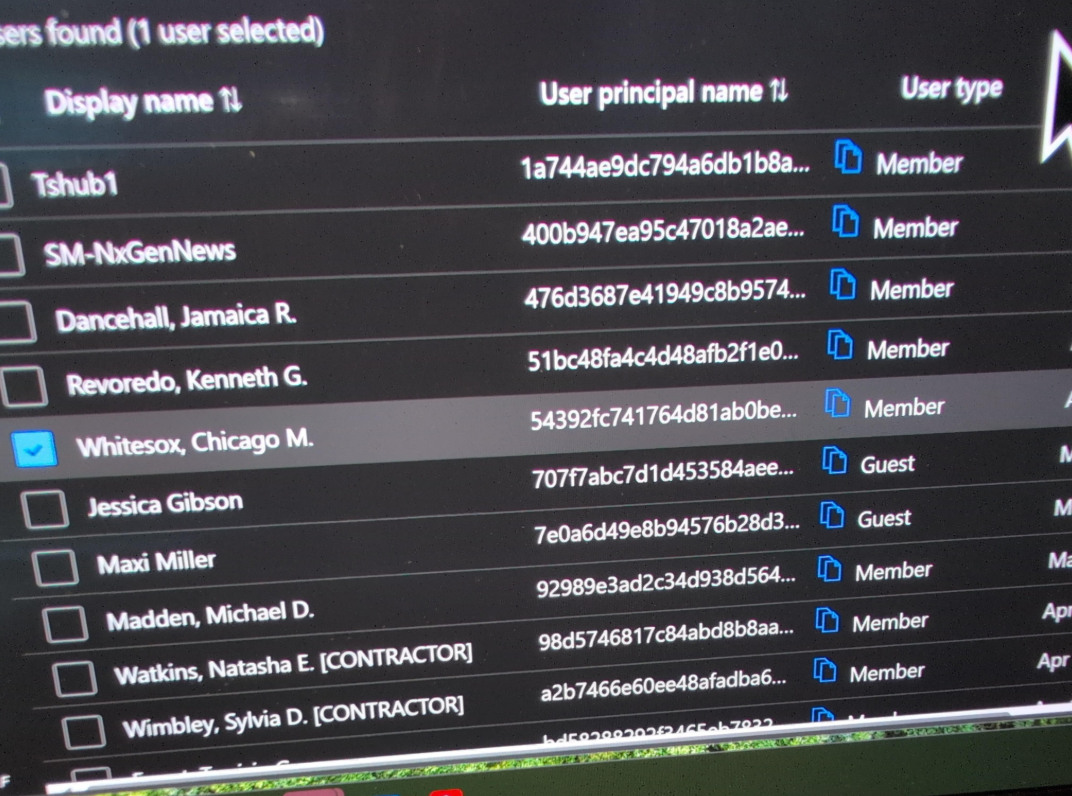
A screenshot shared by NLRB whistleblower Daniel Berulis shows three downloads from GitHub.

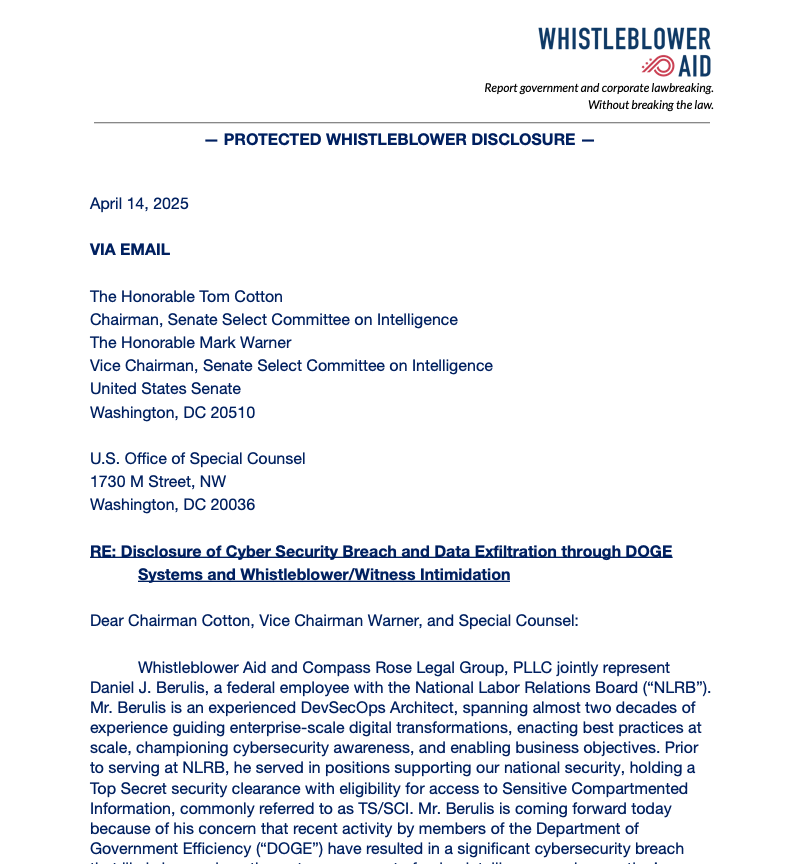
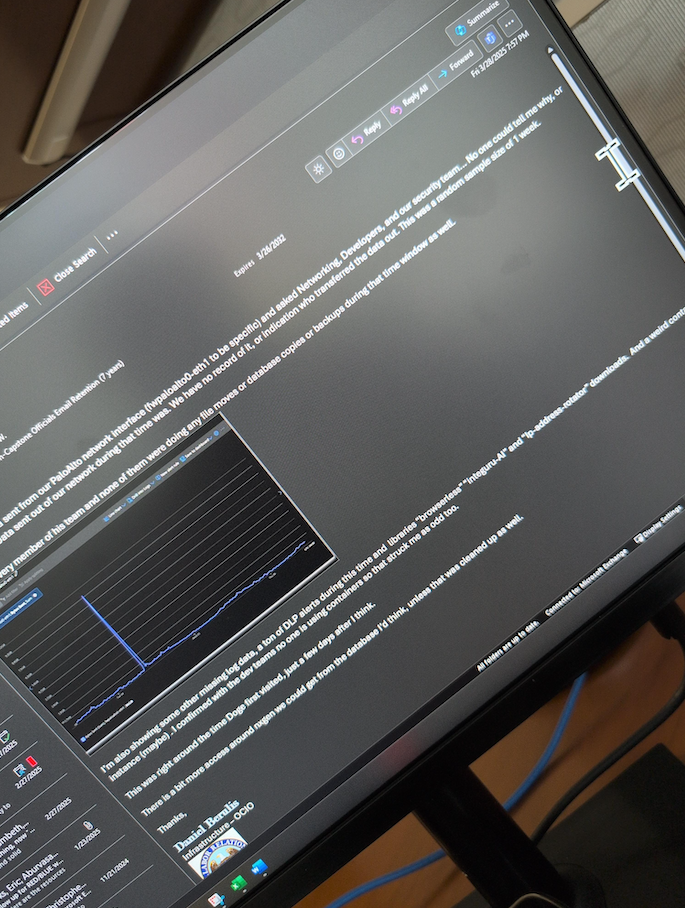
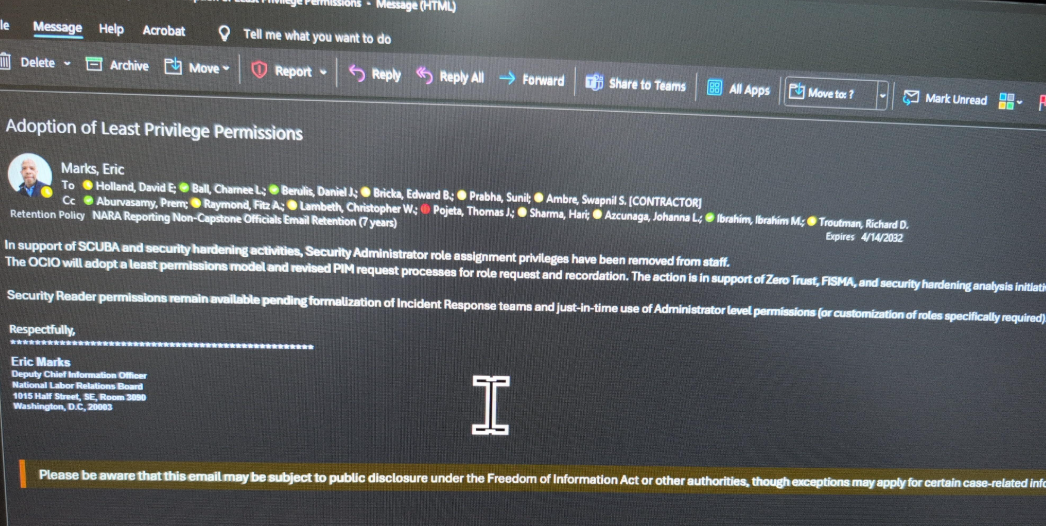
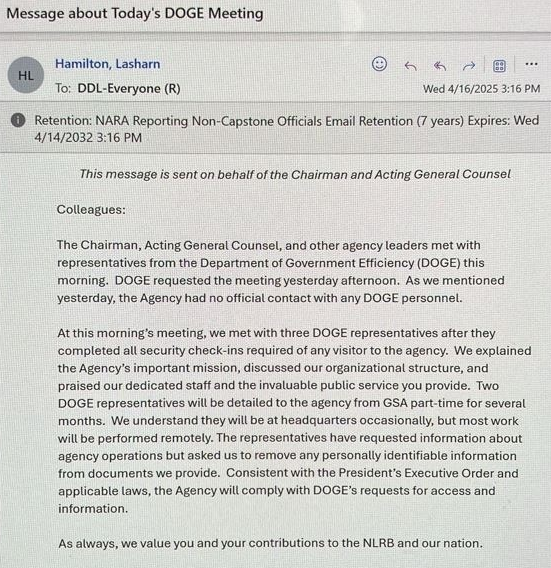
According to a whistleblower complaint filed last week by Daniel J. Berulis, a 38-year-old security architect at the NLRB, officials from DOGE met with NLRB leaders on March 3 and demanded the creation of several all-powerful “tenant admin” accounts that were to be exempted from network logging activity that would otherwise keep a detailed record of all actions taken by those accounts.

Berulis said the new DOGE accounts had unrestricted permission to read, copy, and alter information contained in NLRB databases. The new accounts also could restrict log visibility, delay retention, route logs elsewhere, or even remove them entirely — top-tier user privileges that neither Berulis nor his boss possessed.

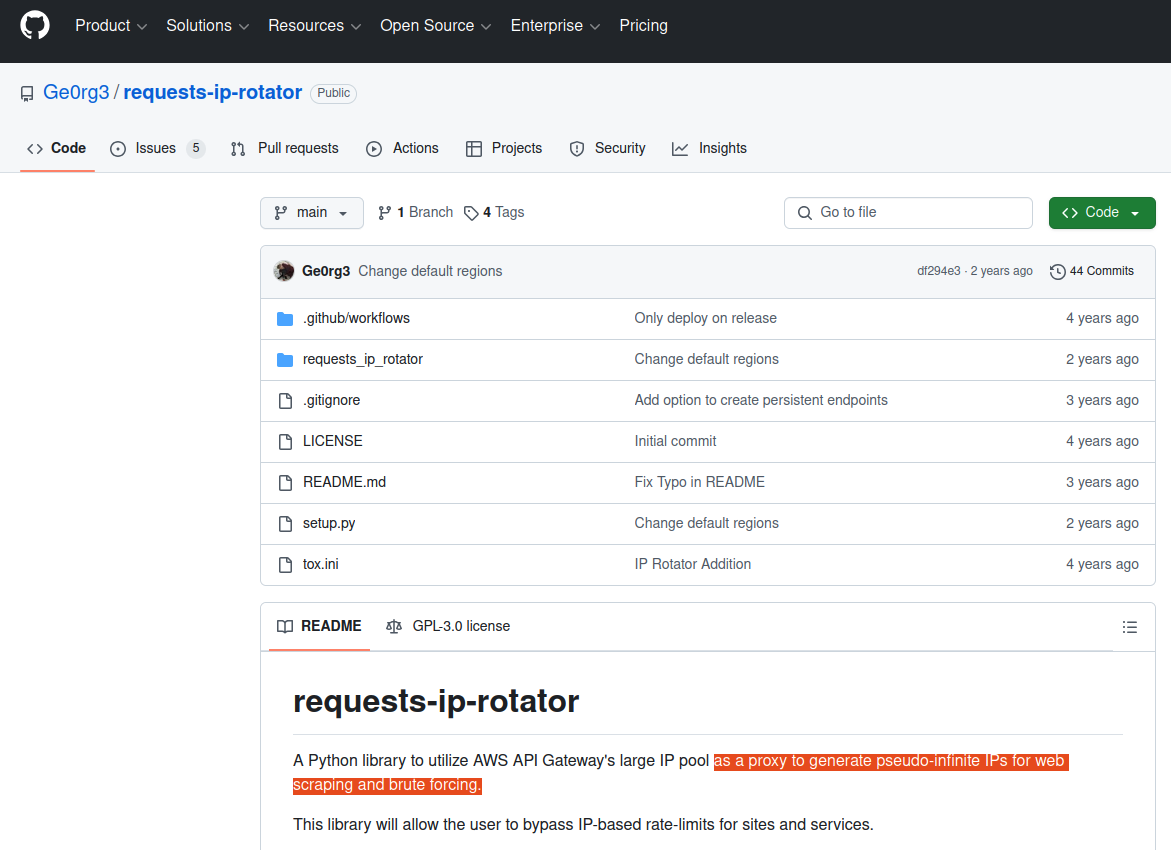
Berulis said he discovered one of the DOGE accounts had downloaded three external code libraries from GitHub that neither NLRB nor its contractors ever used. A “readme” file in one of the code bundles explained it was created to rotate connections through a large pool of cloud Internet addresses that serve “as a proxy to generate pseudo-infinite IPs for web scraping and brute forcing.” Brute force attacks involve automated login attempts that try many credential combinations in rapid sequence.

A search on that description in Google brings up a code repository at GitHub for a user with the account name “Ge0rg3” who published a program roughly four years ago called “requests-ip-rotator,” described as a library that will allow the user “to bypass IP-based rate-limits for sites and services.”

The README file from the GitHub user Ge0rg3’s page for requests-ip-rotator includes the exact wording of a program the whistleblower said was downloaded by one of the DOGE users. Marko Elez created an offshoot of this program in January 2025.

“A Python library to utilize AWS API Gateway’s large IP pool as a proxy to generate pseudo-infinite IPs for web scraping and brute forcing,” the description reads.

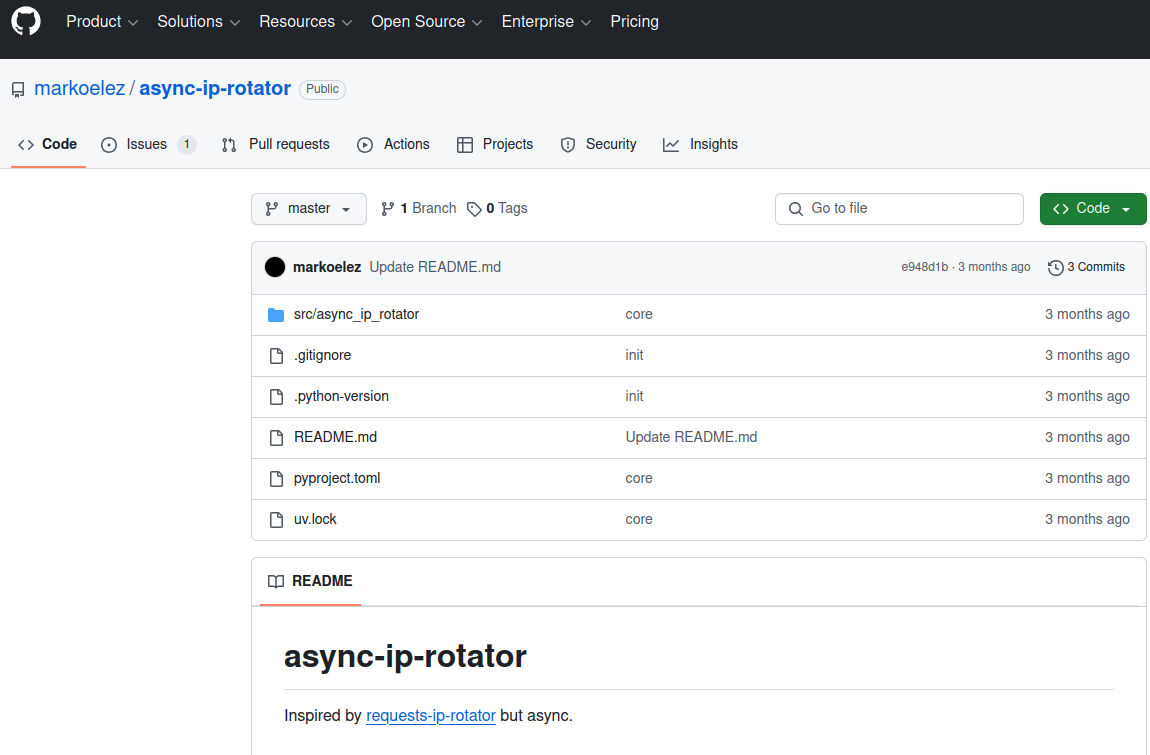
Ge0rg3’s code is “open source,” in that anyone can copy it and reuse it non-commercially. As it happens, there is a newer version of this project that was derived or “forked” from Ge0rg3’s code — called “async-ip-rotator” — and it was committed to GitHub in January 2025 by DOGE captain Marko Elez.

The whistleblower stated that one of the GitHub files downloaded by the DOGE employees who transferred sensitive files from an NLRB case database was an archive whose README file read: “Python library to utilize AWS API Gateway’s large IP pool as a proxy to generate pseudo-infinite IPs for web scraping and brute forcing.” Elez’s code pictured here was forked in January 2025 from a code library that shares the same description.

A key DOGE staff member who gained access to the Treasury Department’s central payments system, Elez has worked for a number of Musk companies, including X, SpaceX, and xAI. Elez was among the first DOGE employees to face public scrutiny, after The Wall Street Journal linked him to social media posts that advocated racism and eugenics.

Elez resigned after that brief scandal, but was rehired after President Donald Trump and Vice President JD Vance expressed support for him. Politico reports Elez is now a Labor Department aide detailed to multiple agencies, including the Department of Health and Human Services.

“During Elez’s initial stint at Treasury, he violated the agency’s information security policies by sending a spreadsheet containing names and payments information to officials at the General Services Administration,” Politico wrote, citing court filings.

KrebsOnSecurity sought comment from both the NLRB and DOGE, and will update this story if either responds.

The NLRB has been effectively hobbled since President Trump fired three board members, leaving the agency without the quorum it needs to function. Both Amazon and Musk’s SpaceX have been suing the NLRB over complaints the agency filed in disputes about workers’ rights and union organizing, arguing that the NLRB’s very existence is unconstitutional. On March 5, a U.S. appeals court unanimously rejected Musk’s claim that the NLRB’s structure somehow violates the Constitution.

Berulis’s complaint alleges the DOGE accounts at NLRB downloaded more than 10 gigabytes of data from the agency’s case files, a database that includes reams of sensitive records including information about employees who want to form unions and proprietary business documents. Berulis said he went public after higher-ups at the agency told him not to report the matter to the US-CERT, as they’d previously agreed.

Berulis told KrebsOnSecurity he worried the unauthorized data transfer by DOGE could unfairly advantage defendants in a number of ongoing labor disputes before the agency.

“If any company got the case data that would be an unfair advantage,” Berulis said. “They could identify and fire employees and union organizers without saying why.”

Marko Elez, in a photo from a social media profile.

Berulis said the other two GitHub archives that DOGE employees downloaded to NLRB systems included Integuru, a software framework designed to reverse engineer application programming interfaces (APIs) that websites use to fetch data; and a “headless” browser called Browserless, which is made for automating web-based tasks that require a pool of browsers, such as web scraping and automated testing.

On February 6, someone posted a lengthy and detailed critique of Elez’s code on the GitHub “issues” page for async-ip-rotator, calling it “insecure, unscalable and a fundamental engineering failure.”

“If this were a side project, it would just be bad code,” the reviewer wrote. “But if this is representative of how you build production systems, then there are much larger concerns. This implementation is fundamentally broken, and if anything similar to this is deployed in an environment handling sensitive data, it should be audited immediately.”

Further reading: Berulis’s complaint (PDF).


Read More

CISA Releases Five Industrial Control Systems Advisories

 ​CISA released five Industrial Control Systems (ICS) advisories on April 22, 2025. These advisories provide timely information about current security issues, vulnerabilities, and exploits surrounding ICS.

ICSA-25-112-01 Siemens TeleControl Server Basic SQL
ICSA-25-112-02 Siemens TeleControl Server Basic
ICSA-25-112-03 Schneider Electric Wiser Home Controller WHC-5918A
ICSA-25-112-04 ABB MV Drives 
ICSA-25-035-04 Schneider Electric Modicon M580 PLCs, BMENOR2200H and EVLink Pro AC (Update A)

CISA encourages users and administrators to review newly released ICS advisories for technical details and mitigations. 

CISA released five Industrial Control Systems (ICS) advisories on April 22, 2025. These advisories provide timely information about current security issues, vulnerabilities, and exploits surrounding ICS.

CISA encourages users and administrators to review newly released ICS advisories for technical details and mitigations.

 Read More

Schneider Electric Wiser Home Controller WHC-5918A

 ​View CSAF
1. EXECUTIVE SUMMARY

CVSS v4 9.3
ATTENTION: Exploitable remotely/low attack complexity
Vendor: Schneider Electric
Equipment: Wiser Home Controller WHC-5918A
Vulnerability: Exposure of Sensitive Information to an Unauthorized Actor

2. RISK EVALUATION
Successful exploitation of this vulnerability could allow an attacker to disclose sensitive credentials.
3. TECHNICAL DETAILS
3.1 AFFECTED PRODUCTS
Schneider Electric reports the following products are affected:

Wiser Home Controller WHC-5918A: All versions

3.2 VULNERABILITY OVERVIEW
3.2.1 EXPOSURE OF SENSITIVE INFORMATION TO AN UNAUTHORIZED ACTOR CWE-200
An information exposure vulnerability exists that could cause disclosure of credentials when a specially crafted message is sent to the device.
CVE-2024-6407 has been assigned to this vulnerability. A CVSS v3 base score of 9.8 has been assigned; the CVSS vector string is (CVSS:3.1/AV:N/AC:L/PR:N/UI:N/S:U/C:H/I:H/A:H).
A CVSS v4 score has also been calculated for CVE-2024-6407. A base score of 9.3 has been calculated; the CVSS vector string is (CVSS:4.0/AV:N/AC:L/AT:N/PR:N/UI:N/VC:H/VI:H/VA:H/SC:N/SI:N/SA:N).
3.3 BACKGROUND

CRITICAL INFRASTRUCTURE SECTORS: Energy
COUNTRIES/AREAS DEPLOYED: Worldwide
COMPANY HEADQUARTERS LOCATION: France

3.4 RESEARCHER
Schneider Electric reported this vulnerability to CISA.
4. MITIGATIONS
Schneider Electric reports the Wiser Home Controller WHC-5918A product has been discontinued and is out of support. Users should consider upgrading to the latest product offering, C-Bus, Home Controller, SpaceLogic IP, Free Standing, 24V DC, 5200WHC2, or removing the Wiser Home Controller WHC-5918A from service.
CISA recommends users take defensive measures to minimize the risk of exploitation of this vulnerability, such as:

Minimize network exposure for all control system devices and/or systems, ensuring they are not accessible from the Internet.
Locate control system networks and remote devices behind firewalls and isolating them from business networks.
When remote access is required, use more secure methods, such as Virtual Private Networks (VPNs). Recognize VPNs may have vulnerabilities, should be updated to the most recent version available, and are only as secure as the connected devices.

CISA reminds organizations to perform proper impact analysis and risk assessment prior to deploying defensive measures.
CISA also provides a section for control systems security recommended practices on the ICS webpage on cisa.gov. Several CISA products detailing cyber defense best practices are available for reading and download, including Improving Industrial Control Systems Cybersecurity with Defense-in-Depth Strategies.
CISA encourages organizations to implement recommended cybersecurity strategies for proactive defense of ICS assets.
Additional mitigation guidance and recommended practices are publicly available on the ICS webpage at cisa.gov in the technical information paper, ICS-TIP-12-146-01B–Targeted Cyber Intrusion Detection and Mitigation Strategies.
Organizations observing suspected malicious activity should follow established internal procedures and report findings to CISA for tracking and correlation against other incidents.
CISA also recommends users take the following measures to protect themselves from social engineering attacks:

Do not click web links or open attachments in unsolicited email messages.
Refer to Recognizing and Avoiding Email Scams for more information on avoiding email scams.
Refer to Avoiding Social Engineering and Phishing Attacks for more information on social engineering attacks.

No known public exploitation specifically targeting this vulnerability has been reported to CISA at this time.
5. UPDATE HISTORY

April 22, 2025: Initial Republication of Schneider Electric Advisory SEVD-2024-191-01 

View CSAF

1. EXECUTIVE SUMMARY

  • CVSS v4 9.3
  • ATTENTION: Exploitable remotely/low attack complexity
  • Vendor: Schneider Electric
  • Equipment: Wiser Home Controller WHC-5918A
  • Vulnerability: Exposure of Sensitive Information to an Unauthorized Actor

2. RISK EVALUATION

Successful exploitation of this vulnerability could allow an attacker to disclose sensitive credentials.

3. TECHNICAL DETAILS

3.1 AFFECTED PRODUCTS

Schneider Electric reports the following products are affected:

  • Wiser Home Controller WHC-5918A: All versions

3.2 VULNERABILITY OVERVIEW

3.2.1 EXPOSURE OF SENSITIVE INFORMATION TO AN UNAUTHORIZED ACTOR CWE-200

An information exposure vulnerability exists that could cause disclosure of credentials when a specially crafted message is sent to the device.

CVE-2024-6407 has been assigned to this vulnerability. A CVSS v3 base score of 9.8 has been assigned; the CVSS vector string is (CVSS:3.1/AV:N/AC:L/PR:N/UI:N/S:U/C:H/I:H/A:H).

A CVSS v4 score has also been calculated for CVE-2024-6407. A base score of 9.3 has been calculated; the CVSS vector string is (CVSS:4.0/AV:N/AC:L/AT:N/PR:N/UI:N/VC:H/VI:H/VA:H/SC:N/SI:N/SA:N).

3.3 BACKGROUND

  • CRITICAL INFRASTRUCTURE SECTORS: Energy
  • COUNTRIES/AREAS DEPLOYED: Worldwide
  • COMPANY HEADQUARTERS LOCATION: France

3.4 RESEARCHER

Schneider Electric reported this vulnerability to CISA.

4. MITIGATIONS

Schneider Electric reports the Wiser Home Controller WHC-5918A product has been discontinued and is out of support. Users should consider upgrading to the latest product offering, C-Bus, Home Controller, SpaceLogic IP, Free Standing, 24V DC, 5200WHC2, or removing the Wiser Home Controller WHC-5918A from service.

CISA recommends users take defensive measures to minimize the risk of exploitation of this vulnerability, such as:

  • Minimize network exposure for all control system devices and/or systems, ensuring they are not accessible from the Internet.
  • Locate control system networks and remote devices behind firewalls and isolating them from business networks.
  • When remote access is required, use more secure methods, such as Virtual Private Networks (VPNs). Recognize VPNs may have vulnerabilities, should be updated to the most recent version available, and are only as secure as the connected devices.

CISA reminds organizations to perform proper impact analysis and risk assessment prior to deploying defensive measures.

CISA also provides a section for control systems security recommended practices on the ICS webpage on cisa.gov. Several CISA products detailing cyber defense best practices are available for reading and download, including Improving Industrial Control Systems Cybersecurity with Defense-in-Depth Strategies.

CISA encourages organizations to implement recommended cybersecurity strategies for proactive defense of ICS assets.

Additional mitigation guidance and recommended practices are publicly available on the ICS webpage at cisa.gov in the technical information paper, ICS-TIP-12-146-01B–Targeted Cyber Intrusion Detection and Mitigation Strategies.

Organizations observing suspected malicious activity should follow established internal procedures and report findings to CISA for tracking and correlation against other incidents.

CISA also recommends users take the following measures to protect themselves from social engineering attacks:

No known public exploitation specifically targeting this vulnerability has been reported to CISA at this time.

5. UPDATE HISTORY

  • April 22, 2025: Initial Republication of Schneider Electric Advisory SEVD-2024-191-01

 Read More

Siemens TeleControl Server Basic

 ​As of January 10, 2023, CISA will no longer be updating ICS security advisories for Siemens product vulnerabilities beyond the initial advisory. For the most up-to-date information on vulnerabilities in this advisory, please see Siemens’ ProductCERT Security Advisories (CERT Services | Services | Siemens Global).
View CSAF
1. EXECUTIVE SUMMARY

CVSS v4 6.3
ATTENTION: Exploitable remotely
Vendor: Siemens
Equipment: TeleControl Server Basic
Vulnerability: Improper Handling of Length Parameter Inconsistency

2. RISK EVALUATION
Successful exploitation of this vulnerability could allow an attacker to cause the application to allocate exhaustive amounts of memory and subsequently create a denial-of-service condition.
3. TECHNICAL DETAILS
3.1 AFFECTED PRODUCTS
Siemens reports that the following products are affected:

TeleControl Server Basic: Versions prior to V3.1.2.2

3.2 VULNERABILITY OVERVIEW
3.2.1 IMPROPER HANDLING OF LENGTH PARAMETER INCONSISTENCY CWE-130
The affected product does not properly validate a length field in a serialized message, which it uses to determine the amount of memory to be allocated for deserialization. This could allow an unauthenticated remote attacker to cause the application to allocate exhaustive amounts of memory and subsequently create a partial denial-of-service condition. Successful exploitation is only possible in redundant TeleControl Server Basic setups and only if the connection between the redundant servers has been disrupted.
CVE-2025-29931 has been assigned to this vulnerability. A CVSS v3.1 base score of 3.7 has been calculated; the CVSS vector string is (CVSS:3.1/AV:N/AC:H/PR:N/UI:N/S:U/C:N/I:N/A:L).
A CVSS v4 score has also been calculated for CVE-2025-29931. A base score of 6.3 has been calculated; the CVSS vector string is (CVSS:4.0/AV:N/AC:L/AT:P/PR:N/UI:N/VC:N/VI:N/VA:L/SC:N/SI:N/SA:N).
3.3 BACKGROUND

CRITICAL INFRASTRUCTURE SECTORS: Energy, Water and Wastewater Systems, Transportation Systems
COUNTRIES/AREAS DEPLOYED: Worldwide
COMPANY HEADQUARTERS LOCATION: Germany

3.4 RESEARCHER
Jin Huang from ADLab of Venustech coordinated this vulnerability with Siemens.
4. MITIGATIONS
Siemens has released a new version for TeleControl Server Basic and recommends to update to the latest version.

Update to V3.1.2.2 or later version.

Siemens has identified the following specific workarounds and mitigations users can apply to reduce risk:

Disable TeleControl Server Basic redundancy, if not used.

As a general security measure, Siemens recommends protecting network access to devices with appropriate mechanisms. To operate the devices in a protected IT environment, Siemens recommends configuring the environment according to Siemens’ operational guidelines for industrial security and following recommendations in the product manuals.
Additional information on industrial security by Siemens can be found on the Siemens industrial security webpage.
For more information see the associated Siemens security advisory SSA-395348 in HTML and CSAF.
CISA recommends users take defensive measures to minimize the risk of exploitation of this vulnerability, such as:

Minimize network exposure for all control system devices and/or systems, ensuring they are not accessible from the internet.
Locate control system networks and remote devices behind firewalls and isolating them from business networks.
When remote access is required, use more secure methods, such as Virtual Private Networks (VPNs). Recognize VPNs may have vulnerabilities, should be updated to the most recent version available, and are only as secure as the connected devices.

CISA reminds organizations to perform proper impact analysis and risk assessment prior to deploying defensive measures.
CISA also provides a section for control systems security recommended practices on the ICS webpage on cisa.gov. Several CISA products detailing cyber defense best practices are available for reading and download, including Improving Industrial Control Systems Cybersecurity with Defense-in-Depth Strategies.
CISA encourages organizations to implement recommended cybersecurity strategies for proactive defense of ICS assets.
Additional mitigation guidance and recommended practices are publicly available on the ICS webpage at cisa.gov in the technical information paper, ICS-TIP-12-146-01B–Targeted Cyber Intrusion Detection and Mitigation Strategies.
Organizations observing suspected malicious activity should follow established internal procedures and report findings to CISA for tracking and correlation against other incidents.
No known public exploitation specifically targeting this vulnerability has been reported to CISA at this time. This vulnerability has a high attack complexity.
5. UPDATE HISTORY

April 22, 2025: Initial Republication of Siemens ProductCERT SSA-395348 

As of January 10, 2023, CISA will no longer be updating ICS security advisories for Siemens product vulnerabilities beyond the initial advisory. For the most up-to-date information on vulnerabilities in this advisory, please see Siemens’ ProductCERT Security Advisories (CERT Services | Services | Siemens Global).

View CSAF

1. EXECUTIVE SUMMARY

  • CVSS v4 6.3
  • ATTENTION: Exploitable remotely
  • Vendor: Siemens
  • Equipment: TeleControl Server Basic
  • Vulnerability: Improper Handling of Length Parameter Inconsistency

2. RISK EVALUATION

Successful exploitation of this vulnerability could allow an attacker to cause the application to allocate exhaustive amounts of memory and subsequently create a denial-of-service condition.

3. TECHNICAL DETAILS

3.1 AFFECTED PRODUCTS

Siemens reports that the following products are affected:

  • TeleControl Server Basic: Versions prior to V3.1.2.2

3.2 VULNERABILITY OVERVIEW

3.2.1 IMPROPER HANDLING OF LENGTH PARAMETER INCONSISTENCY CWE-130

The affected product does not properly validate a length field in a serialized message, which it uses to determine the amount of memory to be allocated for deserialization. This could allow an unauthenticated remote attacker to cause the application to allocate exhaustive amounts of memory and subsequently create a partial denial-of-service condition. Successful exploitation is only possible in redundant TeleControl Server Basic setups and only if the connection between the redundant servers has been disrupted.

CVE-2025-29931 has been assigned to this vulnerability. A CVSS v3.1 base score of 3.7 has been calculated; the CVSS vector string is (CVSS:3.1/AV:N/AC:H/PR:N/UI:N/S:U/C:N/I:N/A:L).

A CVSS v4 score has also been calculated for CVE-2025-29931. A base score of 6.3 has been calculated; the CVSS vector string is (CVSS:4.0/AV:N/AC:L/AT:P/PR:N/UI:N/VC:N/VI:N/VA:L/SC:N/SI:N/SA:N).

3.3 BACKGROUND

  • CRITICAL INFRASTRUCTURE SECTORS: Energy, Water and Wastewater Systems, Transportation Systems
  • COUNTRIES/AREAS DEPLOYED: Worldwide
  • COMPANY HEADQUARTERS LOCATION: Germany

3.4 RESEARCHER

Jin Huang from ADLab of Venustech coordinated this vulnerability with Siemens.

4. MITIGATIONS

Siemens has released a new version for TeleControl Server Basic and recommends to update to the latest version.

Siemens has identified the following specific workarounds and mitigations users can apply to reduce risk:

  • Disable TeleControl Server Basic redundancy, if not used.

As a general security measure, Siemens recommends protecting network access to devices with appropriate mechanisms. To operate the devices in a protected IT environment, Siemens recommends configuring the environment according to Siemens’ operational guidelines for industrial security and following recommendations in the product manuals.

Additional information on industrial security by Siemens can be found on the Siemens industrial security webpage.

For more information see the associated Siemens security advisory SSA-395348 in HTML and CSAF.

CISA recommends users take defensive measures to minimize the risk of exploitation of this vulnerability, such as:

  • Minimize network exposure for all control system devices and/or systems, ensuring they are not accessible from the internet.
  • Locate control system networks and remote devices behind firewalls and isolating them from business networks.
  • When remote access is required, use more secure methods, such as Virtual Private Networks (VPNs). Recognize VPNs may have vulnerabilities, should be updated to the most recent version available, and are only as secure as the connected devices.

CISA reminds organizations to perform proper impact analysis and risk assessment prior to deploying defensive measures.

CISA also provides a section for control systems security recommended practices on the ICS webpage on cisa.gov. Several CISA products detailing cyber defense best practices are available for reading and download, including Improving Industrial Control Systems Cybersecurity with Defense-in-Depth Strategies.

CISA encourages organizations to implement recommended cybersecurity strategies for proactive defense of ICS assets.

Additional mitigation guidance and recommended practices are publicly available on the ICS webpage at cisa.gov in the technical information paper, ICS-TIP-12-146-01B–Targeted Cyber Intrusion Detection and Mitigation Strategies.

Organizations observing suspected malicious activity should follow established internal procedures and report findings to CISA for tracking and correlation against other incidents.

No known public exploitation specifically targeting this vulnerability has been reported to CISA at this time. This vulnerability has a high attack complexity.

5. UPDATE HISTORY

  • April 22, 2025: Initial Republication of Siemens ProductCERT SSA-395348

 Read More

Siemens TeleControl Server Basic SQL

 ​As of January 10, 2023, CISA will no longer be updating ICS security advisories for Siemens product vulnerabilities beyond the initial advisory. For the most up-to-date information on vulnerabilities in this advisory, please see Siemens’ ProductCERT Security Advisories (CERT Services | Services | Siemens Global).
View CSAF
1. EXECUTIVE SUMMARY

CVSS v4 9.3
ATTENTION: Exploitable remotely/low attack complexity
Vendor: Siemens
Equipment: TeleControl Server Basic
Vulnerabilities: Improper Neutralization of Special Elements used in an SQL Command (‘SQL Injection’)

2. RISK EVALUATION
Successful exploitation of these vulnerabilities could allow an attacker to read and write to the application’s database, cause a denial-of-service condition, and execute code in an OS shell.
3. TECHNICAL DETAILS
3.1 AFFECTED PRODUCTS
Siemens reports that the following products are affected:

TeleControl Server Basic: versions prior to V3.1.2.2

3.2 VULNERABILITY OVERVIEW
3.2.1 IMPROPER NEUTRALIZATION OF SPECIAL ELEMENTS USED IN AN SQL COMMAND (‘SQL INJECTION’) CWE-89
The affected application is vulnerable to SQL injection through the internally used ‘CreateTrace’ method. This could allow an unauthenticated remote attacker to bypass authorization controls, to read from and write to the application’s database and execute code with “NT AUTHORITYNetworkService” permissions. A successful attack requires the attacker to be able to access port 8000 on a system where a vulnerable version of the affected application is executed on.
CVE-2025-27495 has been assigned to this vulnerability. A CVSS v3.1 base score of 9.8 has been calculated; the CVSS vector string is (CVSS:3.1/AV:N/AC:L/PR:N/UI:N/S:U/C:H/I:H/A:H).
A CVSS v4 score has also been calculated for CVE-2025-27495. A base score of 9.3 has been calculated; the CVSS vector string is (CVSS:4.0/AV:N/AC:L/AT:N/PR:N/UI:N/VC:H/VI:H/VA:H/SC:L/SI:L/SA:L).
3.2.2 IMPROPER NEUTRALIZATION OF SPECIAL ELEMENTS USED IN AN SQL COMMAND (‘SQL INJECTION’) CWE-89
The affected application is vulnerable to SQL injection through the internally used ‘VerifyUser’ method. This could allow an unauthenticated remote attacker to bypass authorization controls, to read from and write to the application’s database and execute code with “NT AUTHORITYNetworkService” permissions. A successful attack requires the attacker to be able to access port 8000 on a system where a vulnerable version of the affected application is executed on.
CVE-2025-27539 has been assigned to this vulnerability. A CVSS v3.1 base score of 9.8 has been calculated; the CVSS vector string is (CVSS:3.1/AV:N/AC:L/PR:N/UI:N/S:U/C:H/I:H/A:H).
A CVSS v4 score has also been calculated for CVE-2025-27539. A base score of 9.3 has been calculated; the CVSS vector string is (CVSS:4.0/AV:N/AC:L/AT:N/PR:N/UI:N/VC:H/VI:H/VA:H/SC:L/SI:L/SA:L).
3.2.3 IMPROPER NEUTRALIZATION OF SPECIAL ELEMENTS USED IN AN SQL COMMAND (‘SQL INJECTION’) CWE-89
The affected application is vulnerable to SQL injection through the internally used ‘Authenticate’ method. This could allow an unauthenticated remote attacker to bypass authorization controls, to read from and write to the application’s database and execute code with “NT AUTHORITYNetworkService” permissions. A successful attack requires the attacker to be able to access port 8000 on a system where a vulnerable version of the affected application is executed on.
CVE-2025-27540 has been assigned to this vulnerability. A CVSS v3.1 base score of 9.8 has been calculated; the CVSS vector string is (CVSS:3.1/AV:N/AC:L/PR:N/UI:N/S:U/C:H/I:H/A:H).
A CVSS v4 score has also been calculated for CVE-2025-27540. A base score of 9.3 has been calculated; the CVSS vector string is (CVSS:4.0/AV:N/AC:L/AT:N/PR:N/UI:N/VC:H/VI:H/VA:H/SC:L/SI:L/SA:L).
3.2.4 IMPROPER NEUTRALIZATION OF SPECIAL ELEMENTS USED IN AN SQL COMMAND (‘SQL INJECTION’) CWE-89
The affected application is vulnerable to SQL injection through the internally used ‘RestoreFromBackup’ method. This could allow an authenticated remote attacker to bypass authorization controls, to read from and write to the application’s database and execute code with “NT AUTHORITYNetworkService” permissions. A successful attack requires the attacker to be able to access port 8000 on a system where a vulnerable version of the affected application is executed on.
CVE-2025-29905 has been assigned to this vulnerability. A CVSS v3.1 base score of 8.8 has been calculated; the CVSS vector string is (CVSS:3.1/AV:N/AC:L/PR:L/UI:N/S:U/C:H/I:H/A:H).
A CVSS v4 score has also been calculated for CVE-2025-29905. A base score of 8.7 has been calculated; the CVSS vector string is (CVSS:4.0/AV:N/AC:L/AT:N/PR:L/UI:N/VC:H/VI:H/VA:H/SC:N/SI:N/SA:N).
3.2.5 IMPROPER NEUTRALIZATION OF SPECIAL ELEMENTS USED IN AN SQL COMMAND (‘SQL INJECTION’) CWE-89
The affected application is vulnerable to SQL injection through the internally used ‘UpdateConnectionVariables’ method. This could allow an authenticated remote attacker to bypass authorization controls, to read from and write to the application’s database and execute code with “NT AUTHORITYNetworkService” permissions. A successful attack requires the attacker to be able to access port 8000 on a system where a vulnerable version of the affected application is executed on.
CVE-2025-30002 has been assigned to this vulnerability. A CVSS v3.1 base score of 8.8 has been calculated; the CVSS vector string is (CVSS:3.1/AV:N/AC:L/PR:L/UI:N/S:U/C:H/I:H/A:H).
A CVSS v4 score has also been calculated for CVE-2025-30002. A base score of 8.7 has been calculated; the CVSS vector string is (CVSS:4.0/AV:N/AC:L/AT:N/PR:L/UI:N/VC:H/VI:H/VA:H/SC:N/SI:N/SA:N).
3.2.6 IMPROPER NEUTRALIZATION OF SPECIAL ELEMENTS USED IN AN SQL COMMAND (‘SQL INJECTION’) CWE-89
The affected application is vulnerable to SQL injection through the internally used ‘UpdateProjectConnections’ method. This could allow an authenticated remote attacker to bypass authorization controls, to read from and write to the application’s database and execute code with “NT AUTHORITYNetworkService” permissions. A successful attack requires the attacker to be able to access port 8000 on a system where a vulnerable version of the affected application is executed on.
CVE-2025-30003 has been assigned to this vulnerability. A CVSS v3.1 base score of 8.8 has been calculated; the CVSS vector string is (CVSS:3.1/AV:N/AC:L/PR:L/UI:N/S:U/C:H/I:H/A:H).
A CVSS v4 score has also been calculated for CVE-2025-30003. A base score of 8.7 has been calculated; the CVSS vector string is (CVSS:4.0/AV:N/AC:L/AT:N/PR:L/UI:N/VC:H/VI:H/VA:H/SC:N/SI:N/SA:N).
3.2.7 IMPROPER NEUTRALIZATION OF SPECIAL ELEMENTS USED IN AN SQL COMMAND (‘SQL INJECTION’) CWE-89
The affected application is vulnerable to SQL injection through the internally used ‘ImportDatabase’ method. This could allow an authenticated remote attacker to bypass authorization controls, to read from and write to the application’s database and execute code with “NT AUTHORITYNetworkService” permissions. A successful attack requires the attacker to be able to access port 8000 on a system where a vulnerable version of the affected application is executed on.
CVE-2025-30030 has been assigned to this vulnerability. A CVSS v3.1 base score of 8.8 has been calculated; the CVSS vector string is (CVSS:3.1/AV:N/AC:L/PR:L/UI:N/S:U/C:H/I:H/A:H).
A CVSS v4 score has also been calculated for CVE-2025-30030. A base score of 8.7 has been calculated; the CVSS vector string is (CVSS:4.0/AV:N/AC:L/AT:N/PR:L/UI:N/VC:H/VI:H/VA:H/SC:N/SI:N/SA:N).
3.2.8 IMPROPER NEUTRALIZATION OF SPECIAL ELEMENTS USED IN AN SQL COMMAND (‘SQL INJECTION’) CWE-89
The affected application is vulnerable to SQL injection through the internally used ‘UpdateUsers’ method. This could allow an authenticated remote attacker to bypass authorization controls, to read from and write to the application’s database and execute code with “NT AUTHORITYNetworkService” permissions. A successful attack requires the attacker to be able to access port 8000 on a system where a vulnerable version of the affected application is executed on.
CVE-2025-30031 has been assigned to this vulnerability. A CVSS v3.1 base score of 8.8 has been calculated; the CVSS vector string is (CVSS:3.1/AV:N/AC:L/PR:L/UI:N/S:U/C:H/I:H/A:H).
A CVSS v4 score has also been calculated for CVE-2025-30031. A base score of 8.7 has been calculated; the CVSS vector string is (CVSS:4.0/AV:N/AC:L/AT:N/PR:L/UI:N/VC:H/VI:H/VA:H/SC:N/SI:N/SA:N).
3.2.9 IMPROPER NEUTRALIZATION OF SPECIAL ELEMENTS USED IN AN SQL COMMAND (‘SQL INJECTION’) CWE-89
The affected application is vulnerable to SQL injection through the internally used ‘UpdateDatabaseSettings’ method. This could allow an authenticated remote attacker to bypass authorization controls, to read from and write to the application’s database and execute code with “NT AUTHORITYNetworkService” permissions. A successful attack requires the attacker to be able to access port 8000 on a system where a vulnerable version of the affected application is executed on.
CVE-2025-30032 has been assigned to this vulnerability. A CVSS v3.1 base score of 8.8 has been calculated; the CVSS vector string is (CVSS:3.1/AV:N/AC:L/PR:L/UI:N/S:U/C:H/I:H/A:H).
A CVSS v4 score has also been calculated for CVE-2025-30032. A base score of 8.7 has been calculated; the CVSS vector string is (CVSS:4.0/AV:N/AC:L/AT:N/PR:L/UI:N/VC:H/VI:H/VA:H/SC:N/SI:N/SA:N).
3.2.10 IMPROPER NEUTRALIZATION OF SPECIAL ELEMENTS USED IN AN SQL COMMAND (‘SQL INJECTION’) CWE-89
The affected application is vulnerable to SQL injection through the internally used ‘UpdateTcmSettings’ method. This could allow an authenticated remote attacker to bypass authorization controls, to read from and write to the application’s database and execute code with “NT AUTHORITYNetworkService” permissions. A successful attack requires the attacker to be able to access port 8000 on a system where a vulnerable version of the affected application is executed on.
CVE-2025-31343 has been assigned to this vulnerability. A CVSS v3.1 base score of 8.8 has been calculated; the CVSS vector string is (CVSS:3.1/AV:N/AC:L/PR:L/UI:N/S:U/C:H/I:H/A:H).
A CVSS v4 score has also been calculated for CVE-2025-31343. A base score of 8.7 has been calculated; the CVSS vector string is (CVSS:4.0/AV:N/AC:L/AT:N/PR:L/UI:N/VC:H/VI:H/VA:H/SC:N/SI:N/SA:N).
3.2.11 IMPROPER NEUTRALIZATION OF SPECIAL ELEMENTS USED IN AN SQL COMMAND (‘SQL INJECTION’) CWE-89
The affected application is vulnerable to SQL injection through the internally used ‘UpdateSmtpSettings’ method. This could allow an authenticated remote attacker to bypass authorization controls, to read from and write to the application’s database and execute code with “NT AUTHORITYNetworkService” permissions. A successful attack requires the attacker to be able to access port 8000 on a system where a vulnerable version of the affected application is executed on.
CVE-2025-31349 has been assigned to this vulnerability. A CVSS v3.1 base score of 8.8 has been calculated; the CVSS vector string is (CVSS:3.1/AV:N/AC:L/PR:L/UI:N/S:U/C:H/I:H/A:H).
A CVSS v4 score has also been calculated for CVE-2025-31349. A base score of 8.7 has been calculated; the CVSS vector string is (CVSS:4.0/AV:N/AC:L/AT:N/PR:L/UI:N/VC:H/VI:H/VA:H/SC:N/SI:N/SA:N).
3.2.12 IMPROPER NEUTRALIZATION OF SPECIAL ELEMENTS USED IN AN SQL COMMAND (‘SQL INJECTION’) CWE-89
The affected application is vulnerable to SQL injection through the internally used ‘UpdateBufferingSettings’ method. This could allow an authenticated remote attacker to bypass authorization controls, to read from and write to the application’s database and execute code with “NT AUTHORITYNetworkService” permissions. A successful attack requires the attacker to be able to access port 8000 on a system where a vulnerable version of the affected application is executed on.
CVE-2025-31350 has been assigned to this vulnerability. A CVSS v3.1 base score of 8.8 has been calculated; the CVSS vector string is (CVSS:3.1/AV:N/AC:L/PR:L/UI:N/S:U/C:H/I:H/A:H).
A CVSS v4 score has also been calculated for CVE-2025-31350. A base score of 8.7 has been calculated; the CVSS vector string is (CVSS:4.0/AV:N/AC:L/AT:N/PR:L/UI:N/VC:H/VI:H/VA:H/SC:N/SI:N/SA:N).
3.2.13 IMPROPER NEUTRALIZATION OF SPECIAL ELEMENTS USED IN AN SQL COMMAND (‘SQL INJECTION’) CWE-89
The affected application is vulnerable to SQL injection through the internally used ‘CreateProject’ method. This could allow an authenticated remote attacker to bypass authorization controls, to read from and write to the application’s database and execute code with “NT AUTHORITYNetworkService” permissions. A successful attack requires the attacker to be able to access port 8000 on a system where a vulnerable version of the affected application is executed on.
CVE-2025-31351 has been assigned to this vulnerability. A CVSS v3.1 base score of 8.8 has been calculated; the CVSS vector string is (CVSS:3.1/AV:N/AC:L/PR:L/UI:N/S:U/C:H/I:H/A:H).
A CVSS v4 score has also been calculated for CVE-2025-31351. A base score of 8.7 has been calculated; the CVSS vector string is (CVSS:4.0/AV:N/AC:L/AT:N/PR:L/UI:N/VC:H/VI:H/VA:H/SC:N/SI:N/SA:N).
3.2.14 IMPROPER NEUTRALIZATION OF SPECIAL ELEMENTS USED IN AN SQL COMMAND (‘SQL INJECTION’) CWE-89
The affected application is vulnerable to SQL injection through the internally used ‘UpdateGateways’ method. This could allow an authenticated remote attacker to bypass authorization controls, to read from and write to the application’s database and execute code with “NT AUTHORITYNetworkService” permissions. A successful attack requires the attacker to be able to access port 8000 on a system where a vulnerable version of the affected application is executed on.
CVE-2025-31352 has been assigned to this vulnerability. A CVSS v3.1 base score of 8.8 has been calculated; the CVSS vector string is (CVSS:3.1/AV:N/AC:L/PR:L/UI:N/S:U/C:H/I:H/A:H).
A CVSS v4 score has also been calculated for CVE-2025-31352. A base score of 8.7 has been calculated; the CVSS vector string is (CVSS:4.0/AV:N/AC:L/AT:N/PR:L/UI:N/VC:H/VI:H/VA:H/SC:N/SI:N/SA:N).
3.2.15 IMPROPER NEUTRALIZATION OF SPECIAL ELEMENTS USED IN AN SQL COMMAND (‘SQL INJECTION’) CWE-89
The affected application is vulnerable to SQL injection through the internally used ‘UpdateOpcSettings’ method. This could allow an authenticated remote attacker to bypass authorization controls, to read from and write to the application’s database and execute code with “NT AUTHORITYNetworkService” permissions. A successful attack requires the attacker to be able to access port 8000 on a system where a vulnerable version of the affected application is executed on.
CVE-2025-31353 has been assigned to this vulnerability. A CVSS v3.1 base score of 8.8 has been calculated; the CVSS vector string is (CVSS:3.1/AV:N/AC:L/PR:L/UI:N/S:U/C:H/I:H/A:H).
A CVSS v4 score has also been calculated for CVE-2025-31353. A base score of 8.7 has been calculated; the CVSS vector string is (CVSS:4.0/AV:N/AC:L/AT:N/PR:L/UI:N/VC:H/VI:H/VA:H/SC:N/SI:N/SA:N).
3.2.16 IMPROPER NEUTRALIZATION OF SPECIAL ELEMENTS USED IN AN SQL COMMAND (‘SQL INJECTION’) CWE-89
The affected application is vulnerable to SQL injection through the internally used ‘UpdateProject’ method. This could allow an authenticated remote attacker to bypass authorization controls, to read from and write to the application’s database and execute code with “NT AUTHORITYNetworkService” permissions. A successful attack requires the attacker to be able to access port 8000 on a system where a vulnerable version of the affected application is executed on.
CVE-2025-32475 has been assigned to this vulnerability. A CVSS v3.1 base score of 8.8 has been calculated; the CVSS vector string is (CVSS:3.1/AV:N/AC:L/PR:L/UI:N/S:U/C:H/I:H/A:H).
A CVSS v4 score has also been calculated for CVE-2025-32475. A base score of 8.7 has been calculated; the CVSS vector string is (CVSS:4.0/AV:N/AC:L/AT:N/PR:L/UI:N/VC:H/VI:H/VA:H/SC:N/SI:N/SA:N).
3.2.17 IMPROPER NEUTRALIZATION OF SPECIAL ELEMENTS USED IN AN SQL COMMAND (‘SQL INJECTION’) CWE-89
The affected application is vulnerable to SQL injection through the internally used ‘DeleteProject’ method. This could allow an authenticated remote attacker to bypass authorization controls, to read from and write to the application’s database and execute code with “NT AUTHORITYNetworkService” permissions. A successful attack requires the attacker to be able to access port 8000 on a system where a vulnerable version of the affected application is executed on.
CVE-2025-32822 has been assigned to this vulnerability. A CVSS v3.1 base score of 8.8 has been calculated; the CVSS vector string is (CVSS:3.1/AV:N/AC:L/PR:L/UI:N/S:U/C:H/I:H/A:H).
A CVSS v4 score has also been calculated for CVE-2025-32822. A base score of 8.7 has been calculated; the CVSS vector string is (CVSS:4.0/AV:N/AC:L/AT:N/PR:L/UI:N/VC:H/VI:H/VA:H/SC:N/SI:N/SA:N).
3.2.18 IMPROPER NEUTRALIZATION OF SPECIAL ELEMENTS USED IN AN SQL COMMAND (‘SQL INJECTION’) CWE-89
The affected application is vulnerable to SQL injection through the internally used ‘LockProject’ method. This could allow an authenticated remote attacker to bypass authorization controls, to read from and write to the application’s database and execute code with “NT AUTHORITYNetworkService” permissions. A successful attack requires the attacker to be able to access port 8000 on a system where a vulnerable version of the affected application is executed on.
CVE-2025-32823 has been assigned to this vulnerability. A CVSS v3.1 base score of 8.8 has been calculated; the CVSS vector string is (CVSS:3.1/AV:N/AC:L/PR:L/UI:N/S:U/C:H/I:H/A:H).
A CVSS v4 score has also been calculated for CVE-2025-32823. A base score of 8.7 has been calculated; the CVSS vector string is (CVSS:4.0/AV:N/AC:L/AT:N/PR:L/UI:N/VC:H/VI:H/VA:H/SC:N/SI:N/SA:N).
3.2.19 IMPROPER NEUTRALIZATION OF SPECIAL ELEMENTS USED IN AN SQL COMMAND (‘SQL INJECTION’) CWE-89
The affected application is vulnerable to SQL injection through the internally used ‘UnlockProject’ method. This could allow an authenticated remote attacker to bypass authorization controls, to read from and write to the application’s database and execute code with “NT AUTHORITYNetworkService” permissions. A successful attack requires the attacker to be able to access port 8000 on a system where a vulnerable version of the affected application is executed on.
CVE-2025-32824 has been assigned to this vulnerability. A CVSS v3.1 base score of 8.8 has been calculated; the CVSS vector string is (CVSS:3.1/AV:N/AC:L/PR:L/UI:N/S:U/C:H/I:H/A:H).
A CVSS v4 score has also been calculated for CVE-2025-32824. A base score of 8.7 has been calculated; the CVSS vector string is (CVSS:4.0/AV:N/AC:L/AT:N/PR:L/UI:N/VC:H/VI:H/VA:H/SC:N/SI:N/SA:N).
3.2.20 IMPROPER NEUTRALIZATION OF SPECIAL ELEMENTS USED IN AN SQL COMMAND (‘SQL INJECTION’) CWE-89
The affected application is vulnerable to SQL injection through the internally used ‘GetProjects’ method. This could allow an authenticated remote attacker to bypass authorization controls, to read from and write to the application’s database and execute code with “NT AUTHORITYNetworkService” permissions. A successful attack requires the attacker to be able to access port 8000 on a system where a vulnerable version of the affected application is executed on.
CVE-2025-32825 has been assigned to this vulnerability. A CVSS v3.1 base score of 8.8 has been calculated; the CVSS vector string is (CVSS:3.1/AV:N/AC:L/PR:L/UI:N/S:U/C:H/I:H/A:H).
A CVSS v4 score has also been calculated for CVE-2025-32825. A base score of 8.7 has been calculated; the CVSS vector string is (CVSS:4.0/AV:N/AC:L/AT:N/PR:L/UI:N/VC:H/VI:H/VA:H/SC:N/SI:N/SA:N).
3.2.21 IMPROPER NEUTRALIZATION OF SPECIAL ELEMENTS USED IN AN SQL COMMAND (‘SQL INJECTION’) CWE-89
The affected application is vulnerable to SQL injection through the internally used ‘GetActiveProjects’ method. This could allow an authenticated remote attacker to bypass authorization controls, to read from and write to the application’s database and execute code with “NT AUTHORITYNetworkService” permissions. A successful attack requires the attacker to be able to access port 8000 on a system where a vulnerable version of the affected application is executed on.
CVE-2025-32826 has been assigned to this vulnerability. A CVSS v3.1 base score of 8.8 has been calculated; the CVSS vector string is (CVSS:3.1/AV:N/AC:L/PR:L/UI:N/S:U/C:H/I:H/A:H).
A CVSS v4 score has also been calculated for CVE-2025-32826. A base score of 8.7 has been calculated; the CVSS vector string is (CVSS:4.0/AV:N/AC:L/AT:N/PR:L/UI:N/VC:H/VI:H/VA:H/SC:N/SI:N/SA:N).
3.2.22 IMPROPER NEUTRALIZATION OF SPECIAL ELEMENTS USED IN AN SQL COMMAND (‘SQL INJECTION’) CWE-89
The affected application is vulnerable to SQL injection through the internally used ‘ActivateProject’ method. This could allow an authenticated remote attacker to bypass authorization controls, to read from and write to the application’s database and execute code with “NT AUTHORITYNetworkService” permissions. A successful attack requires the attacker to be able to access port 8000 on a system where a vulnerable version of the affected application is executed on.
CVE-2025-32827 has been assigned to this vulnerability. A CVSS v3.1 base score of 8.8 has been calculated; the CVSS vector string is (CVSS:3.1/AV:N/AC:L/PR:L/UI:N/S:U/C:H/I:H/A:H).
A CVSS v4 score has also been calculated for CVE-2025-32827. A base score of 8.7 has been calculated; the CVSS vector string is (CVSS:4.0/AV:N/AC:L/AT:N/PR:L/UI:N/VC:H/VI:H/VA:H/SC:N/SI:N/SA:N).
3.2.23 IMPROPER NEUTRALIZATION OF SPECIAL ELEMENTS USED IN AN SQL COMMAND (‘SQL INJECTION’) CWE-89
The affected application is vulnerable to SQL injection through the internally used ‘UpdateProjectCrossCommunications’ method. This could allow an authenticated remote attacker to bypass authorization controls, to read from and write to the application’s database and execute code with “NT AUTHORITYNetworkService” permissions. A successful attack requires the attacker to be able to access port 8000 on a system where a vulnerable version of the affected application is executed on.
CVE-2025-32828 has been assigned to this vulnerability. A CVSS v3.1 base score of 8.8 has been calculated; the CVSS vector string is (CVSS:3.1/AV:N/AC:L/PR:L/UI:N/S:U/C:H/I:H/A:H).
A CVSS v4 score has also been calculated for CVE-2025-32828. A base score of 8.7 has been calculated; the CVSS vector string is (CVSS:4.0/AV:N/AC:L/AT:N/PR:L/UI:N/VC:H/VI:H/VA:H/SC:N/SI:N/SA:N).
3.2.24 IMPROPER NEUTRALIZATION OF SPECIAL ELEMENTS USED IN AN SQL COMMAND (‘SQL INJECTION’) CWE-89
The affected application is vulnerable to SQL injection through the internally used ‘LockProjectCrossCommunications’ method. This could allow an authenticated remote attacker to bypass authorization controls, to read from and write to the application’s database and execute code with “NT AUTHORITYNetworkService” permissions. A successful attack requires the attacker to be able to access port 8000 on a system where a vulnerable version of the affected application is executed on.
CVE-2025-32829 has been assigned to this vulnerability. A CVSS v3.1 base score of 8.8 has been calculated; the CVSS vector string is (CVSS:3.1/AV:N/AC:L/PR:L/UI:N/S:U/C:H/I:H/A:H).
A CVSS v4 score has also been calculated for CVE-2025-32829. A base score of 8.7 has been calculated; the CVSS vector string is (CVSS:4.0/AV:N/AC:L/AT:N/PR:L/UI:N/VC:H/VI:H/VA:H/SC:N/SI:N/SA:N).
3.2.25 IMPROPER NEUTRALIZATION OF SPECIAL ELEMENTS USED IN AN SQL COMMAND (‘SQL INJECTION’) CWE-89
The affected application is vulnerable to SQL injection through the internally used ‘UnlockProject’ method. This could allow an authenticated remote attacker to bypass authorization controls, to read from and write to the application’s database and execute code with “NT AUTHORITYNetworkService” permissions. A successful attack requires the attacker to be able to access port 8000 on a system where a vulnerable version of the affected application is executed on.
CVE-2025-32830 has been assigned to this vulnerability. A CVSS v3.1 base score of 8.8 has been calculated; the CVSS vector string is (CVSS:3.1/AV:N/AC:L/PR:L/UI:N/S:U/C:H/I:H/A:H).
A CVSS v4 score has also been calculated for CVE-2025-32830. A base score of 8.7 has been calculated; the CVSS vector string is (CVSS:4.0/AV:N/AC:L/AT:N/PR:L/UI:N/VC:H/VI:H/VA:H/SC:N/SI:N/SA:N).
3.2.26 IMPROPER NEUTRALIZATION OF SPECIAL ELEMENTS USED IN AN SQL COMMAND (‘SQL INJECTION’) CWE-89
The affected application is vulnerable to SQL injection through the internally used ‘UpdateProjectUserRights’ method. This could allow an authenticated remote attacker to bypass authorization controls, to read from and write to the application’s database and execute code with “NT AUTHORITYNetworkService” permissions. A successful attack requires the attacker to be able to access port 8000 on a system where a vulnerable version of the affected application is executed on.
CVE-2025-32831 has been assigned to this vulnerability. A CVSS v3.1 base score of 8.8 has been calculated; the CVSS vector string is (CVSS:3.1/AV:N/AC:L/PR:L/UI:N/S:U/C:H/I:H/A:H).
A CVSS v4 score has also been calculated for CVE-2025-32831. A base score of 8.7 has been calculated; the CVSS vector string is (CVSS:4.0/AV:N/AC:L/AT:N/PR:L/UI:N/VC:H/VI:H/VA:H/SC:N/SI:N/SA:N).
3.2.27 IMPROPER NEUTRALIZATION OF SPECIAL ELEMENTS USED IN AN SQL COMMAND (‘SQL INJECTION’) CWE-89
The affected application is vulnerable to SQL injection through the internally used ‘LockProjectUserRights’ method. This could allow an authenticated remote attacker to bypass authorization controls, to read from and write to the application’s database and execute code with “NT AUTHORITYNetworkService” permissions. A successful attack requires the attacker to be able to access port 8000 on a system where a vulnerable version of the affected application is executed on.
CVE-2025-32832 has been assigned to this vulnerability. A CVSS v3.1 base score of 8.8 has been calculated; the CVSS vector string is (CVSS:3.1/AV:N/AC:L/PR:L/UI:N/S:U/C:H/I:H/A:H).
A CVSS v4 score has also been calculated for CVE-2025-32832. A base score of 8.7 has been calculated; the CVSS vector string is (CVSS:4.0/AV:N/AC:L/AT:N/PR:L/UI:N/VC:H/VI:H/VA:H/SC:N/SI:N/SA:N).
3.2.28 IMPROPER NEUTRALIZATION OF SPECIAL ELEMENTS USED IN AN SQL COMMAND (‘SQL INJECTION’) CWE-89
The affected application is vulnerable to SQL injection through the internally used ‘UnlockProjectUserRights’ method. This could allow an authenticated remote attacker to bypass authorization controls, to read from and write to the application’s database and execute code with “NT AUTHORITYNetworkService” permissions. A successful attack requires the attacker to be able to access port 8000 on a system where a vulnerable version of the affected application is executed on.
CVE-2025-32833 has been assigned to this vulnerability. A CVSS v3.1 base score of 8.8 has been calculated; the CVSS vector string is (CVSS:3.1/AV:N/AC:L/PR:L/UI:N/S:U/C:H/I:H/A:H).
A CVSS v4 score has also been calculated for CVE-2025-32833. A base score of 8.7 has been calculated; the CVSS vector string is (CVSS:4.0/AV:N/AC:L/AT:N/PR:L/UI:N/VC:H/VI:H/VA:H/SC:N/SI:N/SA:N).
3.2.29 IMPROPER NEUTRALIZATION OF SPECIAL ELEMENTS USED IN AN SQL COMMAND (‘SQL INJECTION’) CWE-89
The affected application is vulnerable to SQL injection through the internally used ‘UpdateConnectionVariablesWithImport’ method. This could allow an authenticated remote attacker to bypass authorization controls, to read from and write to the application’s database and execute code with “NT AUTHORITYNetworkService” permissions. A successful attack requires the attacker to be able to access port 8000 on a system where a vulnerable version of the affected application is executed on.
CVE-2025-32834 has been assigned to this vulnerability. A CVSS v3.1 base score of 8.8 has been calculated; the CVSS vector string is (CVSS:3.1/AV:N/AC:L/PR:L/UI:N/S:U/C:H/I:H/A:H).
A CVSS v4 score has also been calculated for CVE-2025-32834. A base score of 8.7 has been calculated; the CVSS vector string is (CVSS:4.0/AV:N/AC:L/AT:N/PR:L/UI:N/VC:H/VI:H/VA:H/SC:N/SI:N/SA:N).
3.2.30 IMPROPER NEUTRALIZATION OF SPECIAL ELEMENTS USED IN AN SQL COMMAND (‘SQL INJECTION’) CWE-89
The affected application is vulnerable to SQL injection through the internally used ‘UpdateConnectionVariableArchivingBuffering’ method. This could allow an authenticated remote attacker to bypass authorization controls, to read from and write to the application’s database and execute code with “NT AUTHORITYNetworkService” permissions. A successful attack requires the attacker to be able to access port 8000 on a system where a vulnerable version of the affected application is executed on.
CVE-2025-32835 has been assigned to this vulnerability. A CVSS v3.1 base score of 8.8 has been calculated; the CVSS vector string is (CVSS:3.1/AV:N/AC:L/PR:L/UI:N/S:U/C:H/I:H/A:H).
A CVSS v4 score has also been calculated for CVE-2025-32835. A base score of 8.7 has been calculated; the CVSS vector string is (CVSS:4.0/AV:N/AC:L/AT:N/PR:L/UI:N/VC:H/VI:H/VA:H/SC:N/SI:N/SA:N).
3.2.31 IMPROPER NEUTRALIZATION OF SPECIAL ELEMENTS USED IN AN SQL COMMAND (‘SQL INJECTION’) CWE-89
The affected application is vulnerable to SQL injection through the internally used ‘GetConnectionVariables’ method. This could allow an authenticated remote attacker to bypass authorization controls, to read from and write to the application’s database and execute code with “NT AUTHORITYNetworkService” permissions. A successful attack requires the attacker to be able to access port 8000 on a system where a vulnerable version of the affected application is executed on.
CVE-2025-32836 has been assigned to this vulnerability. A CVSS v3.1 base score of 8.8 has been calculated; the CVSS vector string is (CVSS:3.1/AV:N/AC:L/PR:L/UI:N/S:U/C:H/I:H/A:H).
A CVSS v4 score has also been calculated for CVE-2025-32836. A base score of 8.7 has been calculated; the CVSS vector string is (CVSS:4.0/AV:N/AC:L/AT:N/PR:L/UI:N/VC:H/VI:H/VA:H/SC:N/SI:N/SA:N).
3.2.32 IMPROPER NEUTRALIZATION OF SPECIAL ELEMENTS USED IN AN SQL COMMAND (‘SQL INJECTION’) CWE-89
The affected application is vulnerable to SQL injection through the internally used ‘GetActiveConnectionVariables’ method. This could allow an authenticated remote attacker to bypass authorization controls, to read from and write to the application’s database and execute code with “NT AUTHORITYNetworkService” permissions. A successful attack requires the attacker to be able to access port 8000 on a system where a vulnerable version of the affected application is executed on.
CVE-2025-32837 has been assigned to this vulnerability. A CVSS v3.1 base score of 8.8 has been calculated; the CVSS vector string is (CVSS:3.1/AV:N/AC:L/PR:L/UI:N/S:U/C:H/I:H/A:H).
A CVSS v4 score has also been calculated for CVE-2025-32837. A base score of 8.7 has been calculated; the CVSS vector string is (CVSS:4.0/AV:N/AC:L/AT:N/PR:L/UI:N/VC:H/VI:H/VA:H/SC:N/SI:N/SA:N).
3.2.33 IMPROPER NEUTRALIZATION OF SPECIAL ELEMENTS USED IN AN SQL COMMAND (‘SQL INJECTION’) CWE-89
The affected application is vulnerable to SQL injection through the internally used ‘ImportConnectionVariables’ method. This could allow an authenticated remote attacker to bypass authorization controls, to read from and write to the application’s database and execute code with “NT AUTHORITYNetworkService” permissions. A successful attack requires the attacker to be able to access port 8000 on a system where a vulnerable version of the affected application is executed on.
CVE-2025-32838 has been assigned to this vulnerability. A CVSS v3.1 base score of 8.8 has been calculated; the CVSS vector string is (CVSS:3.1/AV:N/AC:L/PR:L/UI:N/S:U/C:H/I:H/A:H).
A CVSS v4 score has also been calculated for CVE-2025-32838. A base score of 8.7 has been calculated; the CVSS vector string is (CVSS:4.0/AV:N/AC:L/AT:N/PR:L/UI:N/VC:H/VI:H/VA:H/SC:N/SI:N/SA:N).
3.2.34 IMPROPER NEUTRALIZATION OF SPECIAL ELEMENTS USED IN AN SQL COMMAND (‘SQL INJECTION’) CWE-89
The affected application is vulnerable to SQL injection through the internally used ‘GetGateways’ method. This could allow an authenticated remote attacker to bypass authorization controls, to read from and write to the application’s database and execute code with “NT AUTHORITYNetworkService” permissions. A successful attack requires the attacker to be able to access port 8000 on a system where a vulnerable version of the affected application is executed on.
CVE-2025-32839 has been assigned to this vulnerability. A CVSS v3.1 base score of 8.8 has been calculated; the CVSS vector string is (CVSS:3.1/AV:N/AC:L/PR:L/UI:N/S:U/C:H/I:H/A:H).
A CVSS v4 score has also been calculated for CVE-2025-32839. A base score of 8.7 has been calculated; the CVSS vector string is (CVSS:4.0/AV:N/AC:L/AT:N/PR:L/UI:N/VC:H/VI:H/VA:H/SC:N/SI:N/SA:N).
3.2.35 IMPROPER NEUTRALIZATION OF SPECIAL ELEMENTS USED IN AN SQL COMMAND (‘SQL INJECTION’) CWE-89
The affected application is vulnerable to SQL injection through the internally used ‘LockGateway’ method. This could allow an authenticated remote attacker to bypass authorization controls, to read from and write to the application’s database and execute code with “NT AUTHORITYNetworkService” permissions. A successful attack requires the attacker to be able to access port 8000 on a system where a vulnerable version of the affected application is executed on.
CVE-2025-32840 has been assigned to this vulnerability. A CVSS v3.1 base score of 8.8 has been calculated; the CVSS vector string is (CVSS:3.1/AV:N/AC:L/PR:L/UI:N/S:U/C:H/I:H/A:H).
A CVSS v4 score has also been calculated for CVE-2025-32840. A base score of 8.7 has been calculated; the CVSS vector string is (CVSS:4.0/AV:N/AC:L/AT:N/PR:L/UI:N/VC:H/VI:H/VA:H/SC:N/SI:N/SA:N).
3.2.36 IMPROPER NEUTRALIZATION OF SPECIAL ELEMENTS USED IN AN SQL COMMAND (‘SQL INJECTION’) CWE-89
The affected application is vulnerable to SQL injection through the internally used ‘UnlockGateway’ method. This could allow an authenticated remote attacker to bypass authorization controls, to read from and write to the application’s database and execute code with “NT AUTHORITYNetworkService” permissions. A successful attack requires the attacker to be able to access port 8000 on a system where a vulnerable version of the affected application is executed on.
CVE-2025-32841 has been assigned to this vulnerability. A CVSS v3.1 base score of 8.8 has been calculated; the CVSS vector string is (CVSS:3.1/AV:N/AC:L/PR:L/UI:N/S:U/C:H/I:H/A:H).
A CVSS v4 score has also been calculated for CVE-2025-32841. A base score of 8.7 has been calculated; the CVSS vector string is (CVSS:4.0/AV:N/AC:L/AT:N/PR:L/UI:N/VC:H/VI:H/VA:H/SC:N/SI:N/SA:N).
3.2.37 IMPROPER NEUTRALIZATION OF SPECIAL ELEMENTS USED IN AN SQL COMMAND (‘SQL INJECTION’) CWE-89
The affected application is vulnerable to SQL injection through the internally used ‘GetUsers’ method. This could allow an authenticated remote attacker to bypass authorization controls, to read from and write to the application’s database and execute code with “NT AUTHORITYNetworkService” permissions. A successful attack requires the attacker to be able to access port 8000 on a system where a vulnerable version of the affected application is executed on.
CVE-2025-32842 has been assigned to this vulnerability. A CVSS v3.1 base score of 8.8 has been calculated; the CVSS vector string is (CVSS:3.1/AV:N/AC:L/PR:L/UI:N/S:U/C:H/I:H/A:H).
A CVSS v4 score has also been calculated for CVE-2025-32842. A base score of 8.7 has been calculated; the CVSS vector string is (CVSS:4.0/AV:N/AC:L/AT:N/PR:L/UI:N/VC:H/VI:H/VA:H/SC:N/SI:N/SA:N).
3.2.38 IMPROPER NEUTRALIZATION OF SPECIAL ELEMENTS USED IN AN SQL COMMAND (‘SQL INJECTION’) CWE-89
The affected application is vulnerable to SQL injection through the internally used ‘LockUser’ method. This could allow an authenticated remote attacker to bypass authorization controls, to read from and write to the application’s database and execute code with “NT AUTHORITYNetworkService” permissions. A successful attack requires the attacker to be able to access port 8000 on a system where a vulnerable version of the affected application is executed on.
CVE-2025-32843 has been assigned to this vulnerability. A CVSS v3.1 base score of 8.8 has been calculated; the CVSS vector string is (CVSS:3.1/AV:N/AC:L/PR:L/UI:N/S:U/C:H/I:H/A:H).
A CVSS v4 score has also been calculated for CVE-2025-32843. A base score of 8.7 has been calculated; the CVSS vector string is (CVSS:4.0/AV:N/AC:L/AT:N/PR:L/UI:N/VC:H/VI:H/VA:H/SC:N/SI:N/SA:N).
3.2.39 IMPROPER NEUTRALIZATION OF SPECIAL ELEMENTS USED IN AN SQL COMMAND (‘SQL INJECTION’) CWE-89
The affected application is vulnerable to SQL injection through the internally used ‘UnlockUser’ method. This could allow an authenticated remote attacker to bypass authorization controls, to read from and write to the application’s database and execute code with “NT AUTHORITYNetworkService” permissions. A successful attack requires the attacker to be able to access port 8000 on a system where a vulnerable version of the affected application is executed on.
CVE-2025-32844 has been assigned to this vulnerability. A CVSS v3.1 base score of 8.8 has been calculated; the CVSS vector string is (CVSS:3.1/AV:N/AC:L/PR:L/UI:N/S:U/C:H/I:H/A:H).
A CVSS v4 score has also been calculated for CVE-2025-32844. A base score of 8.7 has been calculated; the CVSS vector string is (CVSS:4.0/AV:N/AC:L/AT:N/PR:L/UI:N/VC:H/VI:H/VA:H/SC:N/SI:N/SA:N).
3.2.40 IMPROPER NEUTRALIZATION OF SPECIAL ELEMENTS USED IN AN SQL COMMAND (‘SQL INJECTION’) CWE-89
The affected application is vulnerable to SQL injection through the internally used ‘UpdateGeneralSettings’ method. This could allow an authenticated remote attacker to bypass authorization controls, to read from and write to the application’s database and execute code with “NT AUTHORITYNetworkService” permissions. A successful attack requires the attacker to be able to access port 8000 on a system where a vulnerable version of the affected application is executed on.
CVE-2025-32845 has been assigned to this vulnerability. A CVSS v3.1 base score of 8.8 has been calculated; the CVSS vector string is (CVSS:3.1/AV:N/AC:L/PR:L/UI:N/S:U/C:H/I:H/A:H).
A CVSS v4 score has also been calculated for CVE-2025-32845. A base score of 8.7 has been calculated; the CVSS vector string is (CVSS:4.0/AV:N/AC:L/AT:N/PR:L/UI:N/VC:H/VI:H/VA:H/SC:N/SI:N/SA:N).
3.2.41 IMPROPER NEUTRALIZATION OF SPECIAL ELEMENTS USED IN AN SQL COMMAND (‘SQL INJECTION’) CWE-89
The affected application is vulnerable to SQL injection through the internally used ‘LockGeneralSettings’ method. This could allow an authenticated remote attacker to bypass authorization controls, to read from and write to the application’s database and execute code with “NT AUTHORITYNetworkService” permissions. A successful attack requires the attacker to be able to access port 8000 on a system where a vulnerable version of the affected application is executed on.
CVE-2025-32846 has been assigned to this vulnerability. A CVSS v3.1 base score of 8.8 has been calculated; the CVSS vector string is (CVSS:3.1/AV:N/AC:L/PR:L/UI:N/S:U/C:H/I:H/A:H).
A CVSS v4 score has also been calculated for CVE-2025-32846. A base score of 8.7 has been calculated; the CVSS vector string is (CVSS:4.0/AV:N/AC:L/AT:N/PR:L/UI:N/VC:H/VI:H/VA:H/SC:N/SI:N/SA:N).
3.2.42 IMPROPER NEUTRALIZATION OF SPECIAL ELEMENTS USED IN AN SQL COMMAND (‘SQL INJECTION’) CWE-89
The affected application is vulnerable to SQL injection through the internally used ‘UnlockGeneralSettings’ method. This could allow an authenticated remote attacker to bypass authorization controls, to read from and write to the application’s database and execute code with “NT AUTHORITYNetworkService” permissions. A successful attack requires the attacker to be able to access port 8000 on a system where a vulnerable version of the affected application is executed on.
CVE-2025-32847 has been assigned to this vulnerability. A CVSS v3.1 base score of 8.8 has been calculated; the CVSS vector string is (CVSS:3.1/AV:N/AC:L/PR:L/UI:N/S:U/C:H/I:H/A:H).
A CVSS v4 score has also been calculated for CVE-2025-32847. A base score of 8.7 has been calculated; the CVSS vector string is (CVSS:4.0/AV:N/AC:L/AT:N/PR:L/UI:N/VC:H/VI:H/VA:H/SC:N/SI:N/SA:N).
3.2.43 IMPROPER NEUTRALIZATION OF SPECIAL ELEMENTS USED IN AN SQL COMMAND (‘SQL INJECTION’) CWE-89
The affected application is vulnerable to SQL injection through the internally used ‘LockSmtpSettings’ method. This could allow an authenticated remote attacker to bypass authorization controls, to read from and write to the application’s database and execute code with “NT AUTHORITYNetworkService” permissions. A successful attack requires the attacker to be able to access port 8000 on a system where a vulnerable version of the affected application is executed on.
CVE-2025-32848 has been assigned to this vulnerability. A CVSS v3.1 base score of 8.8 has been calculated; the CVSS vector string is (CVSS:3.1/AV:N/AC:L/PR:L/UI:N/S:U/C:H/I:H/A:H).
A CVSS v4 score has also been calculated for CVE-2025-32848. A base score of 8.7 has been calculated; the CVSS vector string is (CVSS:4.0/AV:N/AC:L/AT:N/PR:L/UI:N/VC:H/VI:H/VA:H/SC:N/SI:N/SA:N).
3.2.44 IMPROPER NEUTRALIZATION OF SPECIAL ELEMENTS USED IN AN SQL COMMAND (‘SQL INJECTION’) CWE-89
The affected application is vulnerable to SQL injection through the internally used ‘UnlockSmtpSettings’ method. This could allow an authenticated remote attacker to bypass authorization controls, to read from and write to the application’s database and execute code with “NT AUTHORITYNetworkService” permissions. A successful attack requires the attacker to be able to access port 8000 on a system where a vulnerable version of the affected application is executed on.
CVE-2025-32849 has been assigned to this vulnerability. A CVSS v3.1 base score of 8.8 has been calculated; the CVSS vector string is (CVSS:3.1/AV:N/AC:L/PR:L/UI:N/S:U/C:H/I:H/A:H).
A CVSS v4 score has also been calculated for CVE-2025-32849. A base score of 8.7 has been calculated; the CVSS vector string is (CVSS:4.0/AV:N/AC:L/AT:N/PR:L/UI:N/VC:H/VI:H/VA:H/SC:N/SI:N/SA:N).
3.2.45 IMPROPER NEUTRALIZATION OF SPECIAL ELEMENTS USED IN AN SQL COMMAND (‘SQL INJECTION’) CWE-89
The affected application is vulnerable to SQL injection through the internally used ‘LockTcmSettings’ method. This could allow an authenticated remote attacker to bypass authorization controls, to read from and write to the application’s database and execute code with “NT AUTHORITYNetworkService” permissions. A successful attack requires the attacker to be able to access port 8000 on a system where a vulnerable version of the affected application is executed on.
CVE-2025-32850 has been assigned to this vulnerability. A CVSS v3.1 base score of 8.8 has been calculated; the CVSS vector string is (CVSS:3.1/AV:N/AC:L/PR:L/UI:N/S:U/C:H/I:H/A:H).
A CVSS v4 score has also been calculated for CVE-2025-32850. A base score of 8.7 has been calculated; the CVSS vector string is (CVSS:4.0/AV:N/AC:L/AT:N/PR:L/UI:N/VC:H/VI:H/VA:H/SC:N/SI:N/SA:N).
3.2.46 IMPROPER NEUTRALIZATION OF SPECIAL ELEMENTS USED IN AN SQL COMMAND (‘SQL INJECTION’) CWE-89
The affected application is vulnerable to SQL injection through the internally used ‘UnlockTcmSettings’ method. This could allow an authenticated remote attacker to bypass authorization controls, to read from and write to the application’s database and execute code with “NT AUTHORITYNetworkService” permissions. A successful attack requires the attacker to be able to access port 8000 on a system where a vulnerable version of the affected application is executed on.
CVE-2025-32851 has been assigned to this vulnerability. A CVSS v3.1 base score of 8.8 has been calculated; the CVSS vector string is (CVSS:3.1/AV:N/AC:L/PR:L/UI:N/S:U/C:H/I:H/A:H).
A CVSS v4 score has also been calculated for CVE-2025-32851. A base score of 8.7 has been calculated; the CVSS vector string is (CVSS:4.0/AV:N/AC:L/AT:N/PR:L/UI:N/VC:H/VI:H/VA:H/SC:N/SI:N/SA:N).
3.2.47 IMPROPER NEUTRALIZATION OF SPECIAL ELEMENTS USED IN AN SQL COMMAND (‘SQL INJECTION’) CWE-89
The affected application is vulnerable to SQL injection through the internally used ‘LockDatabaseSettings’ method. This could allow an authenticated remote attacker to bypass authorization controls, to read from and write to the application’s database and execute code with “NT AUTHORITYNetworkService” permissions. A successful attack requires the attacker to be able to access port 8000 on a system where a vulnerable version of the affected application is executed on.
CVE-2025-32852 has been assigned to this vulnerability. A CVSS v3.1 base score of 8.8 has been calculated; the CVSS vector string is (CVSS:3.1/AV:N/AC:L/PR:L/UI:N/S:U/C:H/I:H/A:H).
A CVSS v4 score has also been calculated for CVE-2025-32852. A base score of 8.7 has been calculated; the CVSS vector string is (CVSS:4.0/AV:N/AC:L/AT:N/PR:L/UI:N/VC:H/VI:H/VA:H/SC:N/SI:N/SA:N).
3.2.48 IMPROPER NEUTRALIZATION OF SPECIAL ELEMENTS USED IN AN SQL COMMAND (‘SQL INJECTION’) CWE-89
The affected application is vulnerable to SQL injection through the internally used ‘UnlockDatabaseSettings’ method. This could allow an authenticated remote attacker to bypass authorization controls, to read from and write to the application’s database and execute code with “NT AUTHORITYNetworkService” permissions. A successful attack requires the attacker to be able to access port 8000 on a system where a vulnerable version of the affected application is executed on.
CVE-2025-32853 has been assigned to this vulnerability. A CVSS v3.1 base score of 8.8 has been calculated; the CVSS vector string is (CVSS:3.1/AV:N/AC:L/PR:L/UI:N/S:U/C:H/I:H/A:H).
A CVSS v4 score has also been calculated for CVE-2025-32853. A base score of 8.7 has been calculated; the CVSS vector string is (CVSS:4.0/AV:N/AC:L/AT:N/PR:L/UI:N/VC:H/VI:H/VA:H/SC:N/SI:N/SA:N).
3.2.49 IMPROPER NEUTRALIZATION OF SPECIAL ELEMENTS USED IN AN SQL COMMAND (‘SQL INJECTION’) CWE-89
The affected application is vulnerable to SQL injection through the internally used ‘LockOpcSettings’ method. This could allow an authenticated remote attacker to bypass authorization controls, to read from and write to the application’s database and execute code with “NT AUTHORITYNetworkService” permissions. A successful attack requires the attacker to be able to access port 8000 on a system where a vulnerable version of the affected application is executed on.
CVE-2025-32854 has been assigned to this vulnerability. A CVSS v3.1 base score of 8.8 has been calculated; the CVSS vector string is (CVSS:3.1/AV:N/AC:L/PR:L/UI:N/S:U/C:H/I:H/A:H).
A CVSS v4 score has also been calculated for CVE-2025-32854. A base score of 8.7 has been calculated; the CVSS vector string is (CVSS:4.0/AV:N/AC:L/AT:N/PR:L/UI:N/VC:H/VI:H/VA:H/SC:N/SI:N/SA:N).
3.2.50 IMPROPER NEUTRALIZATION OF SPECIAL ELEMENTS USED IN AN SQL COMMAND (‘SQL INJECTION’) CWE-89
The affected application is vulnerable to SQL injection through the internally used ‘UnlockOpcSettings’ method. This could allow an authenticated remote attacker to bypass authorization controls, to read from and write to the application’s database and execute code with “NT AUTHORITYNetworkService” permissions. A successful attack requires the attacker to be able to access port 8000 on a system where a vulnerable version of the affected application is executed on.
CVE-2025-32855 has been assigned to this vulnerability. A CVSS v3.1 base score of 8.8 has been calculated; the CVSS vector string is (CVSS:3.1/AV:N/AC:L/PR:L/UI:N/S:U/C:H/I:H/A:H).
A CVSS v4 score has also been calculated for CVE-2025-32855. A base score of 8.7 has been calculated; the CVSS vector string is (CVSS:4.0/AV:N/AC:L/AT:N/PR:L/UI:N/VC:H/VI:H/VA:H/SC:N/SI:N/SA:N).
3.2.51 IMPROPER NEUTRALIZATION OF SPECIAL ELEMENTS USED IN AN SQL COMMAND (‘SQL INJECTION’) CWE-89
The affected application is vulnerable to SQL injection through the internally used ‘LockBufferingSettings’ method. This could allow an authenticated remote attacker to bypass authorization controls, to read from and write to the application’s database and execute code with “NT AUTHORITYNetworkService” permissions. A successful attack requires the attacker to be able to access port 8000 on a system where a vulnerable version of the affected application is executed on.
CVE-2025-32856 has been assigned to this vulnerability. A CVSS v3.1 base score of 8.8 has been calculated; the CVSS vector string is (CVSS:3.1/AV:N/AC:L/PR:L/UI:N/S:U/C:H/I:H/A:H).
A CVSS v4 score has also been calculated for CVE-2025-32856. A base score of 8.7 has been calculated; the CVSS vector string is (CVSS:4.0/AV:N/AC:L/AT:N/PR:L/UI:N/VC:H/VI:H/VA:H/SC:N/SI:N/SA:N).
3.2.52 IMPROPER NEUTRALIZATION OF SPECIAL ELEMENTS USED IN AN SQL COMMAND (‘SQL INJECTION’) CWE-89
The affected application is vulnerable to SQL injection through the internally used ‘UnlockBufferingSettings’ method. This could allow an authenticated remote attacker to bypass authorization controls, to read from and write to the application’s database and execute code with “NT AUTHORITYNetworkService” permissions. A successful attack requires the attacker to be able to access port 8000 on a system where a vulnerable version of the affected application is executed on.
CVE-2025-32857 has been assigned to this vulnerability. A CVSS v3.1 base score of 8.8 has been calculated; the CVSS vector string is (CVSS:3.1/AV:N/AC:L/PR:L/UI:N/S:U/C:H/I:H/A:H).
A CVSS v4 score has also been calculated for CVE-2025-32857. A base score of 8.7 has been calculated; the CVSS vector string is (CVSS:4.0/AV:N/AC:L/AT:N/PR:L/UI:N/VC:H/VI:H/VA:H/SC:N/SI:N/SA:N).
3.2.53 IMPROPER NEUTRALIZATION OF SPECIAL ELEMENTS USED IN AN SQL COMMAND (‘SQL INJECTION’) CWE-89
The affected application is vulnerable to SQL injection through the internally used ‘UpdateWebServerGatewaySettings’ method. This could allow an authenticated remote attacker to bypass authorization controls, to read from and write to the application’s database and execute code with “NT AUTHORITYNetworkService” permissions. A successful attack requires the attacker to be able to access port 8000 on a system where a vulnerable version of the affected application is executed on.
CVE-2025-32858 has been assigned to this vulnerability. A CVSS v3.1 base score of 8.8 has been calculated; the CVSS vector string is (CVSS:3.1/AV:N/AC:L/PR:L/UI:N/S:U/C:H/I:H/A:H).
A CVSS v4 score has also been calculated for CVE-2025-32858. A base score of 8.7 has been calculated; the CVSS vector string is (CVSS:4.0/AV:N/AC:L/AT:N/PR:L/UI:N/VC:H/VI:H/VA:H/SC:N/SI:N/SA:N).
3.2.54 IMPROPER NEUTRALIZATION OF SPECIAL ELEMENTS USED IN AN SQL COMMAND (‘SQL INJECTION’) CWE-89
The affected application is vulnerable to SQL injection through the internally used ‘LockWebServerGatewaySettings’ method. This could allow an authenticated remote attacker to bypass authorization controls, to read from and write to the application’s database and execute code with “NT AUTHORITYNetworkService” permissions. A successful attack requires the attacker to be able to access port 8000 on a system where a vulnerable version of the affected application is executed on.
CVE-2025-32859 has been assigned to this vulnerability. A CVSS v3.1 base score of 8.8 has been calculated; the CVSS vector string is (CVSS:3.1/AV:N/AC:L/PR:L/UI:N/S:U/C:H/I:H/A:H).
A CVSS v4 score has also been calculated for CVE-2025-32859. A base score of 8.7 has been calculated; the CVSS vector string is (CVSS:4.0/AV:N/AC:L/AT:N/PR:L/UI:N/VC:H/VI:H/VA:H/SC:N/SI:N/SA:N).
3.2.55 IMPROPER NEUTRALIZATION OF SPECIAL ELEMENTS USED IN AN SQL COMMAND (‘SQL INJECTION’) CWE-89
The affected application is vulnerable to SQL injection through the internally used ‘UnlockWebServerGatewaySettings’ method. This could allow an authenticated remote attacker to bypass authorization controls, to read from and write to the application’s database and execute code with “NT AUTHORITYNetworkService” permissions. A successful attack requires the attacker to be able to access port 8000 on a system where a vulnerable version of the affected application is executed on.
CVE-2025-32860 has been assigned to this vulnerability. A CVSS v3.1 base score of 8.8 has been calculated; the CVSS vector string is (CVSS:3.1/AV:N/AC:L/PR:L/UI:N/S:U/C:H/I:H/A:H).
A CVSS v4 score has also been calculated for CVE-2025-32860. A base score of 8.7 has been calculated; the CVSS vector string is (CVSS:4.0/AV:N/AC:L/AT:N/PR:L/UI:N/VC:H/VI:H/VA:H/SC:N/SI:N/SA:N).
3.2.56 IMPROPER NEUTRALIZATION OF SPECIAL ELEMENTS USED IN AN SQL COMMAND (‘SQL INJECTION’) CWE-89
The affected application is vulnerable to SQL injection through the internally used ‘UpdateTraceLevelSettings’ method. This could allow an authenticated remote attacker to bypass authorization controls, to read from and write to the application’s database and execute code with “NT AUTHORITYNetworkService” permissions. A successful attack requires the attacker to be able to access port 8000 on a system where a vulnerable version of the affected application is executed on.
CVE-2025-32861 has been assigned to this vulnerability. A CVSS v3.1 base score of 8.8 has been calculated; the CVSS vector string is (CVSS:3.1/AV:N/AC:L/PR:L/UI:N/S:U/C:H/I:H/A:H).
A CVSS v4 score has also been calculated for CVE-2025-32861. A base score of 8.7 has been calculated; the CVSS vector string is (CVSS:4.0/AV:N/AC:L/AT:N/PR:L/UI:N/VC:H/VI:H/VA:H/SC:N/SI:N/SA:N).
3.2.57 IMPROPER NEUTRALIZATION OF SPECIAL ELEMENTS USED IN AN SQL COMMAND (‘SQL INJECTION’) CWE-89
The affected application is vulnerable to SQL injection through the internally used ‘LockTraceLevelSettings’ method. This could allow an authenticated remote attacker to bypass authorization controls, to read from and write to the application’s database and execute code with “NT AUTHORITYNetworkService” permissions. A successful attack requires the attacker to be able to access port 8000 on a system where a vulnerable version of the affected application is executed on.
CVE-2025-32862 has been assigned to this vulnerability. A CVSS v3.1 base score of 8.8 has been calculated; the CVSS vector string is (CVSS:3.1/AV:N/AC:L/PR:L/UI:N/S:U/C:H/I:H/A:H).
A CVSS v4 score has also been calculated for CVE-2025-32862. A base score of 8.7 has been calculated; the CVSS vector string is (CVSS:4.0/AV:N/AC:L/AT:N/PR:L/UI:N/VC:H/VI:H/VA:H/SC:N/SI:N/SA:N).
3.2.58 IMPROPER NEUTRALIZATION OF SPECIAL ELEMENTS USED IN AN SQL COMMAND (‘SQL INJECTION’) CWE-89
The affected application is vulnerable to SQL injection through the internally used ‘UnlockTraceLevelSettings’ method. This could allow an authenticated remote attacker to bypass authorization controls, to read from and write to the application’s database and execute code with “NT AUTHORITYNetworkService” permissions. A successful attack requires the attacker to be able to access port 8000 on a system where a vulnerable version of the affected application is executed on.
CVE-2025-32863 has been assigned to this vulnerability. A CVSS v3.1 base score of 8.8 has been calculated; the CVSS vector string is (CVSS:3.1/AV:N/AC:L/PR:L/UI:N/S:U/C:H/I:H/A:H).
A CVSS v4 score has also been calculated for CVE-2025-32863. A base score of 8.7 has been calculated; the CVSS vector string is (CVSS:4.0/AV:N/AC:L/AT:N/PR:L/UI:N/VC:H/VI:H/VA:H/SC:N/SI:N/SA:N).
3.2.59 IMPROPER NEUTRALIZATION OF SPECIAL ELEMENTS USED IN AN SQL COMMAND (‘SQL INJECTION’) CWE-89
The affected application is vulnerable to SQL injection through the internally used ‘GetSettings’ method. This could allow an authenticated remote attacker to bypass authorization controls, to read from and write to the application’s database and execute code with “NT AUTHORITYNetworkService” permissions. A successful attack requires the attacker to be able to access port 8000 on a system where a vulnerable version of the affected application is executed on.
CVE-2025-32864 has been assigned to this vulnerability. A CVSS v3.1 base score of 8.8 has been calculated; the CVSS vector string is (CVSS:3.1/AV:N/AC:L/PR:L/UI:N/S:U/C:H/I:H/A:H).
A CVSS v4 score has also been calculated for CVE-2025-32864. A base score of 8.7 has been calculated; the CVSS vector string is (CVSS:4.0/AV:N/AC:L/AT:N/PR:L/UI:N/VC:H/VI:H/VA:H/SC:N/SI:N/SA:N).
3.2.60 IMPROPER NEUTRALIZATION OF SPECIAL ELEMENTS USED IN AN SQL COMMAND (‘SQL INJECTION’) CWE-89
The affected application is vulnerable to SQL injection through the internally used ‘CreateLog’ method. This could allow an authenticated remote attacker to bypass authorization controls, to read from and write to the application’s database and execute code with “NT AUTHORITYNetworkService” permissions. A successful attack requires the attacker to be able to access port 8000 on a system where a vulnerable version of the affected application is executed on.
CVE-2025-32865 has been assigned to this vulnerability. A CVSS v3.1 base score of 8.8 has been calculated; the CVSS vector string is (CVSS:3.1/AV:N/AC:L/PR:L/UI:N/S:U/C:H/I:H/A:H).
A CVSS v4 score has also been calculated for CVE-2025-32865. A base score of 8.7 has been calculated; the CVSS vector string is (CVSS:4.0/AV:N/AC:L/AT:N/PR:L/UI:N/VC:H/VI:H/VA:H/SC:N/SI:N/SA:N).
3.2.61 IMPROPER NEUTRALIZATION OF SPECIAL ELEMENTS USED IN AN SQL COMMAND (‘SQL INJECTION’) CWE-89
The affected application is vulnerable to SQL injection through the internally used ‘GetLogs’ method. This could allow an authenticated remote attacker to bypass authorization controls, to read from and write to the application’s database and execute code with “NT AUTHORITYNetworkService” permissions. A successful attack requires the attacker to be able to access port 8000 on a system where a vulnerable version of the affected application is executed on.
CVE-2025-32866 has been assigned to this vulnerability. A CVSS v3.1 base score of 8.8 has been calculated; the CVSS vector string is (CVSS:3.1/AV:N/AC:L/PR:L/UI:N/S:U/C:H/I:H/A:H).
A CVSS v4 score has also been calculated for CVE-2025-32866. A base score of 8.7 has been calculated; the CVSS vector string is (CVSS:4.0/AV:N/AC:L/AT:N/PR:L/UI:N/VC:H/VI:H/VA:H/SC:N/SI:N/SA:N).
3.2.62 IMPROPER NEUTRALIZATION OF SPECIAL ELEMENTS USED IN AN SQL COMMAND (‘SQL INJECTION’) CWE-89
The affected application is vulnerable to SQL injection through the internally used ‘CreateBackup’ method. This could allow an authenticated remote attacker to bypass authorization controls, to read from and write to the application’s database and execute code with “NT AUTHORITYNetworkService” permissions. A successful attack requires the attacker to be able to access port 8000 on a system where a vulnerable version of the affected application is executed on.
CVE-2025-32867 has been assigned to this vulnerability. A CVSS v3.1 base score of 8.8 has been calculated; the CVSS vector string is (CVSS:3.1/AV:N/AC:L/PR:L/UI:N/S:U/C:H/I:H/A:H).
A CVSS v4 score has also been calculated for CVE-2025-32867. A base score of 8.7 has been calculated; the CVSS vector string is (CVSS:4.0/AV:N/AC:L/AT:N/PR:L/UI:N/VC:H/VI:H/VA:H/SC:N/SI:N/SA:N).
3.2.63 IMPROPER NEUTRALIZATION OF SPECIAL ELEMENTS USED IN AN SQL COMMAND (‘SQL INJECTION’) CWE-89
The affected application is vulnerable to SQL injection through the internally used ‘ExportCertificate’ method. This could allow an authenticated remote attacker to bypass authorization controls, to read from and write to the application’s database and execute code with “NT AUTHORITYNetworkService” permissions. A successful attack requires the attacker to be able to access port 8000 on a system where a vulnerable version of the affected application is executed on.
CVE-2025-32868 has been assigned to this vulnerability. A CVSS v3.1 base score of 8.8 has been calculated; the CVSS vector string is (CVSS:3.1/AV:N/AC:L/PR:L/UI:N/S:U/C:H/I:H/A:H).
A CVSS v4 score has also been calculated for CVE-2025-32868. A base score of 8.7 has been calculated; the CVSS vector string is (CVSS:4.0/AV:N/AC:L/AT:N/PR:L/UI:N/VC:H/VI:H/VA:H/SC:N/SI:N/SA:N).
3.2.64 IMPROPER NEUTRALIZATION OF SPECIAL ELEMENTS USED IN AN SQL COMMAND (‘SQL INJECTION’) CWE-89
The affected application is vulnerable to SQL injection through the internally used ‘ImportCertificate’ method. This could allow an authenticated remote attacker to bypass authorization controls, to read from and write to the application’s database and execute code with “NT AUTHORITYNetworkService” permissions. A successful attack requires the attacker to be able to access port 8000 on a system where a vulnerable version of the affected application is executed on.
CVE-2025-32869 has been assigned to this vulnerability. A CVSS v3.1 base score of 8.8 has been calculated; the CVSS vector string is (CVSS:3.1/AV:N/AC:L/PR:L/UI:N/S:U/C:H/I:H/A:H).
A CVSS v4 score has also been calculated for CVE-2025-32869. A base score of 8.7 has been calculated; the CVSS vector string is (CVSS:4.0/AV:N/AC:L/AT:N/PR:L/UI:N/VC:H/VI:H/VA:H/SC:N/SI:N/SA:N).
3.2.65 IMPROPER NEUTRALIZATION OF SPECIAL ELEMENTS USED IN AN SQL COMMAND (‘SQL INJECTION’) CWE-89
The affected application is vulnerable to SQL injection through the internally used ‘GetTraces’ method. This could allow an authenticated remote attacker to bypass authorization controls, to read from and write to the application’s database and execute code with “NT AUTHORITYNetworkService” permissions. A successful attack requires the attacker to be able to access port 8000 on a system where a vulnerable version of the affected application is executed on.
CVE-2025-32870 has been assigned to this vulnerability. A CVSS v3.1 base score of 8.8 has been calculated; the CVSS vector string is (CVSS:3.1/AV:N/AC:L/PR:L/UI:N/S:U/C:H/I:H/A:H).
A CVSS v4 score has also been calculated for CVE-2025-32870. A base score of 8.7 has been calculated; the CVSS vector string is (CVSS:4.0/AV:N/AC:L/AT:N/PR:L/UI:N/VC:H/VI:H/VA:H/SC:N/SI:N/SA:N).
3.2.66 IMPROPER NEUTRALIZATION OF SPECIAL ELEMENTS USED IN AN SQL COMMAND (‘SQL INJECTION’) CWE-89
The affected application is vulnerable to SQL injection through the internally used ‘MigrateDatabase’ method. This could allow an authenticated remote attacker to bypass authorization controls, to read from and write to the application’s database and execute code with “NT AUTHORITYNetworkService” permissions. A successful attack requires the attacker to be able to access port 8000 on a system where a vulnerable version of the affected application is executed on.
CVE-2025-32871 has been assigned to this vulnerability. A CVSS v3.1 base score of 8.8 has been calculated; the CVSS vector string is (CVSS:3.1/AV:N/AC:L/PR:L/UI:N/S:U/C:H/I:H/A:H).
A CVSS v4 score has also been calculated for CVE-2025-32871. A base score of 8.7 has been calculated; the CVSS vector string is (CVSS:4.0/AV:N/AC:L/AT:N/PR:L/UI:N/VC:H/VI:H/VA:H/SC:N/SI:N/SA:N).
3.2.67 IMPROPER NEUTRALIZATION OF SPECIAL ELEMENTS USED IN AN SQL COMMAND (‘SQL INJECTION’) CWE-89
The affected application is vulnerable to SQL injection through the internally used ‘GetOverview’ method. This could allow an authenticated remote attacker to bypass authorization controls, to read from and write to the application’s database and execute code with “NT AUTHORITYNetworkService” permissions. A successful attack requires the attacker to be able to access port 8000 on a system where a vulnerable version of the affected application is executed on.
CVE-2025-32872 has been assigned to this vulnerability. A CVSS v3.1 base score of 8.8 has been calculated; the CVSS vector string is (CVSS:3.1/AV:N/AC:L/PR:L/UI:N/S:U/C:H/I:H/A:H).
A CVSS v4 score has also been calculated for CVE-2025-32872. A base score of 8.7 has been calculated; the CVSS vector string is (CVSS:4.0/AV:N/AC:L/AT:N/PR:L/UI:N/VC:H/VI:H/VA:H/SC:N/SI:N/SA:N).
3.3 BACKGROUND

CRITICAL INFRASTRUCTURE SECTORS: Energy, Water and Wastewater Systems, Transportation Systems
COUNTRIES/AREAS DEPLOYED: Worldwide
COMPANY HEADQUARTERS LOCATION: Germany

3.4 RESEARCHER
Trend Micro Zero Day Initiative coordinated CVE-2025-32475, CVE-2025-31353, CVE-2025-31352, CVE-2025-31351, CVE-2025-31350, CVE-2025-31349, CVE-2025-31343, CVE-2025-30032, CVE-2025-30031, CVE-2025-30030, CVE-2025-30003, CVE-2025-30002, CVE-2025-29905, CVE-2025-27540, CVE-2025-27539, and CVE-2025-27495 with Siemens.
Siemens reported these vulnerabilities to CISA.
4. MITIGATIONS
Siemens has identified the following specific workarounds and mitigations users can apply to reduce risk:

TeleControl Server Basic: Restrict access to port 8000 on the affected systems to trusted IP addresses only.
TeleControl Server Basic: Update to V3.1.2.2 or later version.

As a general security measure, Siemens recommends protecting network access to devices with appropriate mechanisms. To operate the devices in a protected IT environment, Siemens recommends configuring the environment according to Siemens’ operational guidelines for industrial security and following recommendations in the product manuals.
Additional information on industrial security by Siemens can be found on the Siemens industrial security webpage.
For more information see the associated Siemens security advisory SSA-443402 in HTML and CSAF.
CISA recommends users take defensive measures to minimize the risk of exploitation of these vulnerabilities, such as:

Minimize network exposure for all control system devices and/or systems, ensuring they are not accessible from the internet.
Locate control system networks and remote devices behind firewalls and isolating them from business networks.
When remote access is required, use more secure methods, such as Virtual Private Networks (VPNs). Recognize VPNs may have vulnerabilities, should be updated to the most recent version available, and are only as secure as the connected devices.

CISA reminds organizations to perform proper impact analysis and risk assessment prior to deploying defensive measures.
CISA also provides a section for control systems security recommended practices on the ICS webpage on cisa.gov. Several CISA products detailing cyber defense best practices are available for reading and download, including Improving Industrial Control Systems Cybersecurity with Defense-in-Depth Strategies.
CISA encourages organizations to implement recommended cybersecurity strategies for proactive defense of ICS assets.
Additional mitigation guidance and recommended practices are publicly available on the ICS webpage at cisa.gov in the technical information paper, ICS-TIP-12-146-01B–Targeted Cyber Intrusion Detection and Mitigation Strategies.
Organizations observing suspected malicious activity should follow established internal procedures and report findings to CISA for tracking and correlation against other incidents.
No known public exploitation specifically targeting these vulnerabilities has been reported to CISA at this time.
5. UPDATE HISTORY

April 22, 2025: Initial Republication of Siemens ProductCERT SSA-443402 

As of January 10, 2023, CISA will no longer be updating ICS security advisories for Siemens product vulnerabilities beyond the initial advisory. For the most up-to-date information on vulnerabilities in this advisory, please see Siemens’ ProductCERT Security Advisories (CERT Services | Services | Siemens Global).

View CSAF

1. EXECUTIVE SUMMARY

  • CVSS v4 9.3
  • ATTENTION: Exploitable remotely/low attack complexity
  • Vendor: Siemens
  • Equipment: TeleControl Server Basic
  • Vulnerabilities: Improper Neutralization of Special Elements used in an SQL Command (‘SQL Injection’)

2. RISK EVALUATION

Successful exploitation of these vulnerabilities could allow an attacker to read and write to the application’s database, cause a denial-of-service condition, and execute code in an OS shell.

3. TECHNICAL DETAILS

3.1 AFFECTED PRODUCTS

Siemens reports that the following products are affected:

  • TeleControl Server Basic: versions prior to V3.1.2.2

3.2 VULNERABILITY OVERVIEW

3.2.1 IMPROPER NEUTRALIZATION OF SPECIAL ELEMENTS USED IN AN SQL COMMAND (‘SQL INJECTION’) CWE-89

The affected application is vulnerable to SQL injection through the internally used ‘CreateTrace’ method. This could allow an unauthenticated remote attacker to bypass authorization controls, to read from and write to the application’s database and execute code with “NT AUTHORITYNetworkService” permissions. A successful attack requires the attacker to be able to access port 8000 on a system where a vulnerable version of the affected application is executed on.

CVE-2025-27495 has been assigned to this vulnerability. A CVSS v3.1 base score of 9.8 has been calculated; the CVSS vector string is (CVSS:3.1/AV:N/AC:L/PR:N/UI:N/S:U/C:H/I:H/A:H).

A CVSS v4 score has also been calculated for CVE-2025-27495. A base score of 9.3 has been calculated; the CVSS vector string is (CVSS:4.0/AV:N/AC:L/AT:N/PR:N/UI:N/VC:H/VI:H/VA:H/SC:L/SI:L/SA:L).

3.2.2 IMPROPER NEUTRALIZATION OF SPECIAL ELEMENTS USED IN AN SQL COMMAND (‘SQL INJECTION’) CWE-89

The affected application is vulnerable to SQL injection through the internally used ‘VerifyUser’ method. This could allow an unauthenticated remote attacker to bypass authorization controls, to read from and write to the application’s database and execute code with “NT AUTHORITYNetworkService” permissions. A successful attack requires the attacker to be able to access port 8000 on a system where a vulnerable version of the affected application is executed on.

CVE-2025-27539 has been assigned to this vulnerability. A CVSS v3.1 base score of 9.8 has been calculated; the CVSS vector string is (CVSS:3.1/AV:N/AC:L/PR:N/UI:N/S:U/C:H/I:H/A:H).

A CVSS v4 score has also been calculated for CVE-2025-27539. A base score of 9.3 has been calculated; the CVSS vector string is (CVSS:4.0/AV:N/AC:L/AT:N/PR:N/UI:N/VC:H/VI:H/VA:H/SC:L/SI:L/SA:L).

3.2.3 IMPROPER NEUTRALIZATION OF SPECIAL ELEMENTS USED IN AN SQL COMMAND (‘SQL INJECTION’) CWE-89

The affected application is vulnerable to SQL injection through the internally used ‘Authenticate’ method. This could allow an unauthenticated remote attacker to bypass authorization controls, to read from and write to the application’s database and execute code with “NT AUTHORITYNetworkService” permissions. A successful attack requires the attacker to be able to access port 8000 on a system where a vulnerable version of the affected application is executed on.

CVE-2025-27540 has been assigned to this vulnerability. A CVSS v3.1 base score of 9.8 has been calculated; the CVSS vector string is (CVSS:3.1/AV:N/AC:L/PR:N/UI:N/S:U/C:H/I:H/A:H).

A CVSS v4 score has also been calculated for CVE-2025-27540. A base score of 9.3 has been calculated; the CVSS vector string is (CVSS:4.0/AV:N/AC:L/AT:N/PR:N/UI:N/VC:H/VI:H/VA:H/SC:L/SI:L/SA:L).

3.2.4 IMPROPER NEUTRALIZATION OF SPECIAL ELEMENTS USED IN AN SQL COMMAND (‘SQL INJECTION’) CWE-89

The affected application is vulnerable to SQL injection through the internally used ‘RestoreFromBackup’ method. This could allow an authenticated remote attacker to bypass authorization controls, to read from and write to the application’s database and execute code with “NT AUTHORITYNetworkService” permissions. A successful attack requires the attacker to be able to access port 8000 on a system where a vulnerable version of the affected application is executed on.

CVE-2025-29905 has been assigned to this vulnerability. A CVSS v3.1 base score of 8.8 has been calculated; the CVSS vector string is (CVSS:3.1/AV:N/AC:L/PR:L/UI:N/S:U/C:H/I:H/A:H).

A CVSS v4 score has also been calculated for CVE-2025-29905. A base score of 8.7 has been calculated; the CVSS vector string is (CVSS:4.0/AV:N/AC:L/AT:N/PR:L/UI:N/VC:H/VI:H/VA:H/SC:N/SI:N/SA:N).

3.2.5 IMPROPER NEUTRALIZATION OF SPECIAL ELEMENTS USED IN AN SQL COMMAND (‘SQL INJECTION’) CWE-89

The affected application is vulnerable to SQL injection through the internally used ‘UpdateConnectionVariables’ method. This could allow an authenticated remote attacker to bypass authorization controls, to read from and write to the application’s database and execute code with “NT AUTHORITYNetworkService” permissions. A successful attack requires the attacker to be able to access port 8000 on a system where a vulnerable version of the affected application is executed on.

CVE-2025-30002 has been assigned to this vulnerability. A CVSS v3.1 base score of 8.8 has been calculated; the CVSS vector string is (CVSS:3.1/AV:N/AC:L/PR:L/UI:N/S:U/C:H/I:H/A:H).

A CVSS v4 score has also been calculated for CVE-2025-30002. A base score of 8.7 has been calculated; the CVSS vector string is (CVSS:4.0/AV:N/AC:L/AT:N/PR:L/UI:N/VC:H/VI:H/VA:H/SC:N/SI:N/SA:N).

3.2.6 IMPROPER NEUTRALIZATION OF SPECIAL ELEMENTS USED IN AN SQL COMMAND (‘SQL INJECTION’) CWE-89

The affected application is vulnerable to SQL injection through the internally used ‘UpdateProjectConnections’ method. This could allow an authenticated remote attacker to bypass authorization controls, to read from and write to the application’s database and execute code with “NT AUTHORITYNetworkService” permissions. A successful attack requires the attacker to be able to access port 8000 on a system where a vulnerable version of the affected application is executed on.

CVE-2025-30003 has been assigned to this vulnerability. A CVSS v3.1 base score of 8.8 has been calculated; the CVSS vector string is (CVSS:3.1/AV:N/AC:L/PR:L/UI:N/S:U/C:H/I:H/A:H).

A CVSS v4 score has also been calculated for CVE-2025-30003. A base score of 8.7 has been calculated; the CVSS vector string is (CVSS:4.0/AV:N/AC:L/AT:N/PR:L/UI:N/VC:H/VI:H/VA:H/SC:N/SI:N/SA:N).

3.2.7 IMPROPER NEUTRALIZATION OF SPECIAL ELEMENTS USED IN AN SQL COMMAND (‘SQL INJECTION’) CWE-89

The affected application is vulnerable to SQL injection through the internally used ‘ImportDatabase’ method. This could allow an authenticated remote attacker to bypass authorization controls, to read from and write to the application’s database and execute code with “NT AUTHORITYNetworkService” permissions. A successful attack requires the attacker to be able to access port 8000 on a system where a vulnerable version of the affected application is executed on.

CVE-2025-30030 has been assigned to this vulnerability. A CVSS v3.1 base score of 8.8 has been calculated; the CVSS vector string is (CVSS:3.1/AV:N/AC:L/PR:L/UI:N/S:U/C:H/I:H/A:H).

A CVSS v4 score has also been calculated for CVE-2025-30030. A base score of 8.7 has been calculated; the CVSS vector string is (CVSS:4.0/AV:N/AC:L/AT:N/PR:L/UI:N/VC:H/VI:H/VA:H/SC:N/SI:N/SA:N).

3.2.8 IMPROPER NEUTRALIZATION OF SPECIAL ELEMENTS USED IN AN SQL COMMAND (‘SQL INJECTION’) CWE-89

The affected application is vulnerable to SQL injection through the internally used ‘UpdateUsers’ method. This could allow an authenticated remote attacker to bypass authorization controls, to read from and write to the application’s database and execute code with “NT AUTHORITYNetworkService” permissions. A successful attack requires the attacker to be able to access port 8000 on a system where a vulnerable version of the affected application is executed on.

CVE-2025-30031 has been assigned to this vulnerability. A CVSS v3.1 base score of 8.8 has been calculated; the CVSS vector string is (CVSS:3.1/AV:N/AC:L/PR:L/UI:N/S:U/C:H/I:H/A:H).

A CVSS v4 score has also been calculated for CVE-2025-30031. A base score of 8.7 has been calculated; the CVSS vector string is (CVSS:4.0/AV:N/AC:L/AT:N/PR:L/UI:N/VC:H/VI:H/VA:H/SC:N/SI:N/SA:N).

3.2.9 IMPROPER NEUTRALIZATION OF SPECIAL ELEMENTS USED IN AN SQL COMMAND (‘SQL INJECTION’) CWE-89

The affected application is vulnerable to SQL injection through the internally used ‘UpdateDatabaseSettings’ method. This could allow an authenticated remote attacker to bypass authorization controls, to read from and write to the application’s database and execute code with “NT AUTHORITYNetworkService” permissions. A successful attack requires the attacker to be able to access port 8000 on a system where a vulnerable version of the affected application is executed on.

CVE-2025-30032 has been assigned to this vulnerability. A CVSS v3.1 base score of 8.8 has been calculated; the CVSS vector string is (CVSS:3.1/AV:N/AC:L/PR:L/UI:N/S:U/C:H/I:H/A:H).

A CVSS v4 score has also been calculated for CVE-2025-30032. A base score of 8.7 has been calculated; the CVSS vector string is (CVSS:4.0/AV:N/AC:L/AT:N/PR:L/UI:N/VC:H/VI:H/VA:H/SC:N/SI:N/SA:N).

3.2.10 IMPROPER NEUTRALIZATION OF SPECIAL ELEMENTS USED IN AN SQL COMMAND (‘SQL INJECTION’) CWE-89

The affected application is vulnerable to SQL injection through the internally used ‘UpdateTcmSettings’ method. This could allow an authenticated remote attacker to bypass authorization controls, to read from and write to the application’s database and execute code with “NT AUTHORITYNetworkService” permissions. A successful attack requires the attacker to be able to access port 8000 on a system where a vulnerable version of the affected application is executed on.

CVE-2025-31343 has been assigned to this vulnerability. A CVSS v3.1 base score of 8.8 has been calculated; the CVSS vector string is (CVSS:3.1/AV:N/AC:L/PR:L/UI:N/S:U/C:H/I:H/A:H).

A CVSS v4 score has also been calculated for CVE-2025-31343. A base score of 8.7 has been calculated; the CVSS vector string is (CVSS:4.0/AV:N/AC:L/AT:N/PR:L/UI:N/VC:H/VI:H/VA:H/SC:N/SI:N/SA:N).

3.2.11 IMPROPER NEUTRALIZATION OF SPECIAL ELEMENTS USED IN AN SQL COMMAND (‘SQL INJECTION’) CWE-89

The affected application is vulnerable to SQL injection through the internally used ‘UpdateSmtpSettings’ method. This could allow an authenticated remote attacker to bypass authorization controls, to read from and write to the application’s database and execute code with “NT AUTHORITYNetworkService” permissions. A successful attack requires the attacker to be able to access port 8000 on a system where a vulnerable version of the affected application is executed on.

CVE-2025-31349 has been assigned to this vulnerability. A CVSS v3.1 base score of 8.8 has been calculated; the CVSS vector string is (CVSS:3.1/AV:N/AC:L/PR:L/UI:N/S:U/C:H/I:H/A:H).

A CVSS v4 score has also been calculated for CVE-2025-31349. A base score of 8.7 has been calculated; the CVSS vector string is (CVSS:4.0/AV:N/AC:L/AT:N/PR:L/UI:N/VC:H/VI:H/VA:H/SC:N/SI:N/SA:N).

3.2.12 IMPROPER NEUTRALIZATION OF SPECIAL ELEMENTS USED IN AN SQL COMMAND (‘SQL INJECTION’) CWE-89

The affected application is vulnerable to SQL injection through the internally used ‘UpdateBufferingSettings’ method. This could allow an authenticated remote attacker to bypass authorization controls, to read from and write to the application’s database and execute code with “NT AUTHORITYNetworkService” permissions. A successful attack requires the attacker to be able to access port 8000 on a system where a vulnerable version of the affected application is executed on.

CVE-2025-31350 has been assigned to this vulnerability. A CVSS v3.1 base score of 8.8 has been calculated; the CVSS vector string is (CVSS:3.1/AV:N/AC:L/PR:L/UI:N/S:U/C:H/I:H/A:H).

A CVSS v4 score has also been calculated for CVE-2025-31350. A base score of 8.7 has been calculated; the CVSS vector string is (CVSS:4.0/AV:N/AC:L/AT:N/PR:L/UI:N/VC:H/VI:H/VA:H/SC:N/SI:N/SA:N).

3.2.13 IMPROPER NEUTRALIZATION OF SPECIAL ELEMENTS USED IN AN SQL COMMAND (‘SQL INJECTION’) CWE-89

The affected application is vulnerable to SQL injection through the internally used ‘CreateProject’ method. This could allow an authenticated remote attacker to bypass authorization controls, to read from and write to the application’s database and execute code with “NT AUTHORITYNetworkService” permissions. A successful attack requires the attacker to be able to access port 8000 on a system where a vulnerable version of the affected application is executed on.

CVE-2025-31351 has been assigned to this vulnerability. A CVSS v3.1 base score of 8.8 has been calculated; the CVSS vector string is (CVSS:3.1/AV:N/AC:L/PR:L/UI:N/S:U/C:H/I:H/A:H).

A CVSS v4 score has also been calculated for CVE-2025-31351. A base score of 8.7 has been calculated; the CVSS vector string is (CVSS:4.0/AV:N/AC:L/AT:N/PR:L/UI:N/VC:H/VI:H/VA:H/SC:N/SI:N/SA:N).

3.2.14 IMPROPER NEUTRALIZATION OF SPECIAL ELEMENTS USED IN AN SQL COMMAND (‘SQL INJECTION’) CWE-89

The affected application is vulnerable to SQL injection through the internally used ‘UpdateGateways’ method. This could allow an authenticated remote attacker to bypass authorization controls, to read from and write to the application’s database and execute code with “NT AUTHORITYNetworkService” permissions. A successful attack requires the attacker to be able to access port 8000 on a system where a vulnerable version of the affected application is executed on.

CVE-2025-31352 has been assigned to this vulnerability. A CVSS v3.1 base score of 8.8 has been calculated; the CVSS vector string is (CVSS:3.1/AV:N/AC:L/PR:L/UI:N/S:U/C:H/I:H/A:H).

A CVSS v4 score has also been calculated for CVE-2025-31352. A base score of 8.7 has been calculated; the CVSS vector string is (CVSS:4.0/AV:N/AC:L/AT:N/PR:L/UI:N/VC:H/VI:H/VA:H/SC:N/SI:N/SA:N).

3.2.15 IMPROPER NEUTRALIZATION OF SPECIAL ELEMENTS USED IN AN SQL COMMAND (‘SQL INJECTION’) CWE-89

The affected application is vulnerable to SQL injection through the internally used ‘UpdateOpcSettings’ method. This could allow an authenticated remote attacker to bypass authorization controls, to read from and write to the application’s database and execute code with “NT AUTHORITYNetworkService” permissions. A successful attack requires the attacker to be able to access port 8000 on a system where a vulnerable version of the affected application is executed on.

CVE-2025-31353 has been assigned to this vulnerability. A CVSS v3.1 base score of 8.8 has been calculated; the CVSS vector string is (CVSS:3.1/AV:N/AC:L/PR:L/UI:N/S:U/C:H/I:H/A:H).

A CVSS v4 score has also been calculated for CVE-2025-31353. A base score of 8.7 has been calculated; the CVSS vector string is (CVSS:4.0/AV:N/AC:L/AT:N/PR:L/UI:N/VC:H/VI:H/VA:H/SC:N/SI:N/SA:N).

3.2.16 IMPROPER NEUTRALIZATION OF SPECIAL ELEMENTS USED IN AN SQL COMMAND (‘SQL INJECTION’) CWE-89

The affected application is vulnerable to SQL injection through the internally used ‘UpdateProject’ method. This could allow an authenticated remote attacker to bypass authorization controls, to read from and write to the application’s database and execute code with “NT AUTHORITYNetworkService” permissions. A successful attack requires the attacker to be able to access port 8000 on a system where a vulnerable version of the affected application is executed on.

CVE-2025-32475 has been assigned to this vulnerability. A CVSS v3.1 base score of 8.8 has been calculated; the CVSS vector string is (CVSS:3.1/AV:N/AC:L/PR:L/UI:N/S:U/C:H/I:H/A:H).

A CVSS v4 score has also been calculated for CVE-2025-32475. A base score of 8.7 has been calculated; the CVSS vector string is (CVSS:4.0/AV:N/AC:L/AT:N/PR:L/UI:N/VC:H/VI:H/VA:H/SC:N/SI:N/SA:N).

3.2.17 IMPROPER NEUTRALIZATION OF SPECIAL ELEMENTS USED IN AN SQL COMMAND (‘SQL INJECTION’) CWE-89

The affected application is vulnerable to SQL injection through the internally used ‘DeleteProject’ method. This could allow an authenticated remote attacker to bypass authorization controls, to read from and write to the application’s database and execute code with “NT AUTHORITYNetworkService” permissions. A successful attack requires the attacker to be able to access port 8000 on a system where a vulnerable version of the affected application is executed on.

CVE-2025-32822 has been assigned to this vulnerability. A CVSS v3.1 base score of 8.8 has been calculated; the CVSS vector string is (CVSS:3.1/AV:N/AC:L/PR:L/UI:N/S:U/C:H/I:H/A:H).

A CVSS v4 score has also been calculated for CVE-2025-32822. A base score of 8.7 has been calculated; the CVSS vector string is (CVSS:4.0/AV:N/AC:L/AT:N/PR:L/UI:N/VC:H/VI:H/VA:H/SC:N/SI:N/SA:N).

3.2.18 IMPROPER NEUTRALIZATION OF SPECIAL ELEMENTS USED IN AN SQL COMMAND (‘SQL INJECTION’) CWE-89

The affected application is vulnerable to SQL injection through the internally used ‘LockProject’ method. This could allow an authenticated remote attacker to bypass authorization controls, to read from and write to the application’s database and execute code with “NT AUTHORITYNetworkService” permissions. A successful attack requires the attacker to be able to access port 8000 on a system where a vulnerable version of the affected application is executed on.

CVE-2025-32823 has been assigned to this vulnerability. A CVSS v3.1 base score of 8.8 has been calculated; the CVSS vector string is (CVSS:3.1/AV:N/AC:L/PR:L/UI:N/S:U/C:H/I:H/A:H).

A CVSS v4 score has also been calculated for CVE-2025-32823. A base score of 8.7 has been calculated; the CVSS vector string is (CVSS:4.0/AV:N/AC:L/AT:N/PR:L/UI:N/VC:H/VI:H/VA:H/SC:N/SI:N/SA:N).

3.2.19 IMPROPER NEUTRALIZATION OF SPECIAL ELEMENTS USED IN AN SQL COMMAND (‘SQL INJECTION’) CWE-89

The affected application is vulnerable to SQL injection through the internally used ‘UnlockProject’ method. This could allow an authenticated remote attacker to bypass authorization controls, to read from and write to the application’s database and execute code with “NT AUTHORITYNetworkService” permissions. A successful attack requires the attacker to be able to access port 8000 on a system where a vulnerable version of the affected application is executed on.

CVE-2025-32824 has been assigned to this vulnerability. A CVSS v3.1 base score of 8.8 has been calculated; the CVSS vector string is (CVSS:3.1/AV:N/AC:L/PR:L/UI:N/S:U/C:H/I:H/A:H).

A CVSS v4 score has also been calculated for CVE-2025-32824. A base score of 8.7 has been calculated; the CVSS vector string is (CVSS:4.0/AV:N/AC:L/AT:N/PR:L/UI:N/VC:H/VI:H/VA:H/SC:N/SI:N/SA:N).

3.2.20 IMPROPER NEUTRALIZATION OF SPECIAL ELEMENTS USED IN AN SQL COMMAND (‘SQL INJECTION’) CWE-89

The affected application is vulnerable to SQL injection through the internally used ‘GetProjects’ method. This could allow an authenticated remote attacker to bypass authorization controls, to read from and write to the application’s database and execute code with “NT AUTHORITYNetworkService” permissions. A successful attack requires the attacker to be able to access port 8000 on a system where a vulnerable version of the affected application is executed on.

CVE-2025-32825 has been assigned to this vulnerability. A CVSS v3.1 base score of 8.8 has been calculated; the CVSS vector string is (CVSS:3.1/AV:N/AC:L/PR:L/UI:N/S:U/C:H/I:H/A:H).

A CVSS v4 score has also been calculated for CVE-2025-32825. A base score of 8.7 has been calculated; the CVSS vector string is (CVSS:4.0/AV:N/AC:L/AT:N/PR:L/UI:N/VC:H/VI:H/VA:H/SC:N/SI:N/SA:N).

3.2.21 IMPROPER NEUTRALIZATION OF SPECIAL ELEMENTS USED IN AN SQL COMMAND (‘SQL INJECTION’) CWE-89

The affected application is vulnerable to SQL injection through the internally used ‘GetActiveProjects’ method. This could allow an authenticated remote attacker to bypass authorization controls, to read from and write to the application’s database and execute code with “NT AUTHORITYNetworkService” permissions. A successful attack requires the attacker to be able to access port 8000 on a system where a vulnerable version of the affected application is executed on.

CVE-2025-32826 has been assigned to this vulnerability. A CVSS v3.1 base score of 8.8 has been calculated; the CVSS vector string is (CVSS:3.1/AV:N/AC:L/PR:L/UI:N/S:U/C:H/I:H/A:H).

A CVSS v4 score has also been calculated for CVE-2025-32826. A base score of 8.7 has been calculated; the CVSS vector string is (CVSS:4.0/AV:N/AC:L/AT:N/PR:L/UI:N/VC:H/VI:H/VA:H/SC:N/SI:N/SA:N).

3.2.22 IMPROPER NEUTRALIZATION OF SPECIAL ELEMENTS USED IN AN SQL COMMAND (‘SQL INJECTION’) CWE-89

The affected application is vulnerable to SQL injection through the internally used ‘ActivateProject’ method. This could allow an authenticated remote attacker to bypass authorization controls, to read from and write to the application’s database and execute code with “NT AUTHORITYNetworkService” permissions. A successful attack requires the attacker to be able to access port 8000 on a system where a vulnerable version of the affected application is executed on.

CVE-2025-32827 has been assigned to this vulnerability. A CVSS v3.1 base score of 8.8 has been calculated; the CVSS vector string is (CVSS:3.1/AV:N/AC:L/PR:L/UI:N/S:U/C:H/I:H/A:H).

A CVSS v4 score has also been calculated for CVE-2025-32827. A base score of 8.7 has been calculated; the CVSS vector string is (CVSS:4.0/AV:N/AC:L/AT:N/PR:L/UI:N/VC:H/VI:H/VA:H/SC:N/SI:N/SA:N).

3.2.23 IMPROPER NEUTRALIZATION OF SPECIAL ELEMENTS USED IN AN SQL COMMAND (‘SQL INJECTION’) CWE-89

The affected application is vulnerable to SQL injection through the internally used ‘UpdateProjectCrossCommunications’ method. This could allow an authenticated remote attacker to bypass authorization controls, to read from and write to the application’s database and execute code with “NT AUTHORITYNetworkService” permissions. A successful attack requires the attacker to be able to access port 8000 on a system where a vulnerable version of the affected application is executed on.

CVE-2025-32828 has been assigned to this vulnerability. A CVSS v3.1 base score of 8.8 has been calculated; the CVSS vector string is (CVSS:3.1/AV:N/AC:L/PR:L/UI:N/S:U/C:H/I:H/A:H).

A CVSS v4 score has also been calculated for CVE-2025-32828. A base score of 8.7 has been calculated; the CVSS vector string is (CVSS:4.0/AV:N/AC:L/AT:N/PR:L/UI:N/VC:H/VI:H/VA:H/SC:N/SI:N/SA:N).

3.2.24 IMPROPER NEUTRALIZATION OF SPECIAL ELEMENTS USED IN AN SQL COMMAND (‘SQL INJECTION’) CWE-89

The affected application is vulnerable to SQL injection through the internally used ‘LockProjectCrossCommunications’ method. This could allow an authenticated remote attacker to bypass authorization controls, to read from and write to the application’s database and execute code with “NT AUTHORITYNetworkService” permissions. A successful attack requires the attacker to be able to access port 8000 on a system where a vulnerable version of the affected application is executed on.

CVE-2025-32829 has been assigned to this vulnerability. A CVSS v3.1 base score of 8.8 has been calculated; the CVSS vector string is (CVSS:3.1/AV:N/AC:L/PR:L/UI:N/S:U/C:H/I:H/A:H).

A CVSS v4 score has also been calculated for CVE-2025-32829. A base score of 8.7 has been calculated; the CVSS vector string is (CVSS:4.0/AV:N/AC:L/AT:N/PR:L/UI:N/VC:H/VI:H/VA:H/SC:N/SI:N/SA:N).

3.2.25 IMPROPER NEUTRALIZATION OF SPECIAL ELEMENTS USED IN AN SQL COMMAND (‘SQL INJECTION’) CWE-89

The affected application is vulnerable to SQL injection through the internally used ‘UnlockProject’ method. This could allow an authenticated remote attacker to bypass authorization controls, to read from and write to the application’s database and execute code with “NT AUTHORITYNetworkService” permissions. A successful attack requires the attacker to be able to access port 8000 on a system where a vulnerable version of the affected application is executed on.

CVE-2025-32830 has been assigned to this vulnerability. A CVSS v3.1 base score of 8.8 has been calculated; the CVSS vector string is (CVSS:3.1/AV:N/AC:L/PR:L/UI:N/S:U/C:H/I:H/A:H).

A CVSS v4 score has also been calculated for CVE-2025-32830. A base score of 8.7 has been calculated; the CVSS vector string is (CVSS:4.0/AV:N/AC:L/AT:N/PR:L/UI:N/VC:H/VI:H/VA:H/SC:N/SI:N/SA:N).

3.2.26 IMPROPER NEUTRALIZATION OF SPECIAL ELEMENTS USED IN AN SQL COMMAND (‘SQL INJECTION’) CWE-89

The affected application is vulnerable to SQL injection through the internally used ‘UpdateProjectUserRights’ method. This could allow an authenticated remote attacker to bypass authorization controls, to read from and write to the application’s database and execute code with “NT AUTHORITYNetworkService” permissions. A successful attack requires the attacker to be able to access port 8000 on a system where a vulnerable version of the affected application is executed on.

CVE-2025-32831 has been assigned to this vulnerability. A CVSS v3.1 base score of 8.8 has been calculated; the CVSS vector string is (CVSS:3.1/AV:N/AC:L/PR:L/UI:N/S:U/C:H/I:H/A:H).

A CVSS v4 score has also been calculated for CVE-2025-32831. A base score of 8.7 has been calculated; the CVSS vector string is (CVSS:4.0/AV:N/AC:L/AT:N/PR:L/UI:N/VC:H/VI:H/VA:H/SC:N/SI:N/SA:N).

3.2.27 IMPROPER NEUTRALIZATION OF SPECIAL ELEMENTS USED IN AN SQL COMMAND (‘SQL INJECTION’) CWE-89

The affected application is vulnerable to SQL injection through the internally used ‘LockProjectUserRights’ method. This could allow an authenticated remote attacker to bypass authorization controls, to read from and write to the application’s database and execute code with “NT AUTHORITYNetworkService” permissions. A successful attack requires the attacker to be able to access port 8000 on a system where a vulnerable version of the affected application is executed on.

CVE-2025-32832 has been assigned to this vulnerability. A CVSS v3.1 base score of 8.8 has been calculated; the CVSS vector string is (CVSS:3.1/AV:N/AC:L/PR:L/UI:N/S:U/C:H/I:H/A:H).

A CVSS v4 score has also been calculated for CVE-2025-32832. A base score of 8.7 has been calculated; the CVSS vector string is (CVSS:4.0/AV:N/AC:L/AT:N/PR:L/UI:N/VC:H/VI:H/VA:H/SC:N/SI:N/SA:N).

3.2.28 IMPROPER NEUTRALIZATION OF SPECIAL ELEMENTS USED IN AN SQL COMMAND (‘SQL INJECTION’) CWE-89

The affected application is vulnerable to SQL injection through the internally used ‘UnlockProjectUserRights’ method. This could allow an authenticated remote attacker to bypass authorization controls, to read from and write to the application’s database and execute code with “NT AUTHORITYNetworkService” permissions. A successful attack requires the attacker to be able to access port 8000 on a system where a vulnerable version of the affected application is executed on.

CVE-2025-32833 has been assigned to this vulnerability. A CVSS v3.1 base score of 8.8 has been calculated; the CVSS vector string is (CVSS:3.1/AV:N/AC:L/PR:L/UI:N/S:U/C:H/I:H/A:H).

A CVSS v4 score has also been calculated for CVE-2025-32833. A base score of 8.7 has been calculated; the CVSS vector string is (CVSS:4.0/AV:N/AC:L/AT:N/PR:L/UI:N/VC:H/VI:H/VA:H/SC:N/SI:N/SA:N).

3.2.29 IMPROPER NEUTRALIZATION OF SPECIAL ELEMENTS USED IN AN SQL COMMAND (‘SQL INJECTION’) CWE-89

The affected application is vulnerable to SQL injection through the internally used ‘UpdateConnectionVariablesWithImport’ method. This could allow an authenticated remote attacker to bypass authorization controls, to read from and write to the application’s database and execute code with “NT AUTHORITYNetworkService” permissions. A successful attack requires the attacker to be able to access port 8000 on a system where a vulnerable version of the affected application is executed on.

CVE-2025-32834 has been assigned to this vulnerability. A CVSS v3.1 base score of 8.8 has been calculated; the CVSS vector string is (CVSS:3.1/AV:N/AC:L/PR:L/UI:N/S:U/C:H/I:H/A:H).

A CVSS v4 score has also been calculated for CVE-2025-32834. A base score of 8.7 has been calculated; the CVSS vector string is (CVSS:4.0/AV:N/AC:L/AT:N/PR:L/UI:N/VC:H/VI:H/VA:H/SC:N/SI:N/SA:N).

3.2.30 IMPROPER NEUTRALIZATION OF SPECIAL ELEMENTS USED IN AN SQL COMMAND (‘SQL INJECTION’) CWE-89

The affected application is vulnerable to SQL injection through the internally used ‘UpdateConnectionVariableArchivingBuffering’ method. This could allow an authenticated remote attacker to bypass authorization controls, to read from and write to the application’s database and execute code with “NT AUTHORITYNetworkService” permissions. A successful attack requires the attacker to be able to access port 8000 on a system where a vulnerable version of the affected application is executed on.

CVE-2025-32835 has been assigned to this vulnerability. A CVSS v3.1 base score of 8.8 has been calculated; the CVSS vector string is (CVSS:3.1/AV:N/AC:L/PR:L/UI:N/S:U/C:H/I:H/A:H).

A CVSS v4 score has also been calculated for CVE-2025-32835. A base score of 8.7 has been calculated; the CVSS vector string is (CVSS:4.0/AV:N/AC:L/AT:N/PR:L/UI:N/VC:H/VI:H/VA:H/SC:N/SI:N/SA:N).

3.2.31 IMPROPER NEUTRALIZATION OF SPECIAL ELEMENTS USED IN AN SQL COMMAND (‘SQL INJECTION’) CWE-89

The affected application is vulnerable to SQL injection through the internally used ‘GetConnectionVariables’ method. This could allow an authenticated remote attacker to bypass authorization controls, to read from and write to the application’s database and execute code with “NT AUTHORITYNetworkService” permissions. A successful attack requires the attacker to be able to access port 8000 on a system where a vulnerable version of the affected application is executed on.

CVE-2025-32836 has been assigned to this vulnerability. A CVSS v3.1 base score of 8.8 has been calculated; the CVSS vector string is (CVSS:3.1/AV:N/AC:L/PR:L/UI:N/S:U/C:H/I:H/A:H).

A CVSS v4 score has also been calculated for CVE-2025-32836. A base score of 8.7 has been calculated; the CVSS vector string is (CVSS:4.0/AV:N/AC:L/AT:N/PR:L/UI:N/VC:H/VI:H/VA:H/SC:N/SI:N/SA:N).

3.2.32 IMPROPER NEUTRALIZATION OF SPECIAL ELEMENTS USED IN AN SQL COMMAND (‘SQL INJECTION’) CWE-89

The affected application is vulnerable to SQL injection through the internally used ‘GetActiveConnectionVariables’ method. This could allow an authenticated remote attacker to bypass authorization controls, to read from and write to the application’s database and execute code with “NT AUTHORITYNetworkService” permissions. A successful attack requires the attacker to be able to access port 8000 on a system where a vulnerable version of the affected application is executed on.

CVE-2025-32837 has been assigned to this vulnerability. A CVSS v3.1 base score of 8.8 has been calculated; the CVSS vector string is (CVSS:3.1/AV:N/AC:L/PR:L/UI:N/S:U/C:H/I:H/A:H).

A CVSS v4 score has also been calculated for CVE-2025-32837. A base score of 8.7 has been calculated; the CVSS vector string is (CVSS:4.0/AV:N/AC:L/AT:N/PR:L/UI:N/VC:H/VI:H/VA:H/SC:N/SI:N/SA:N).

3.2.33 IMPROPER NEUTRALIZATION OF SPECIAL ELEMENTS USED IN AN SQL COMMAND (‘SQL INJECTION’) CWE-89

The affected application is vulnerable to SQL injection through the internally used ‘ImportConnectionVariables’ method. This could allow an authenticated remote attacker to bypass authorization controls, to read from and write to the application’s database and execute code with “NT AUTHORITYNetworkService” permissions. A successful attack requires the attacker to be able to access port 8000 on a system where a vulnerable version of the affected application is executed on.

CVE-2025-32838 has been assigned to this vulnerability. A CVSS v3.1 base score of 8.8 has been calculated; the CVSS vector string is (CVSS:3.1/AV:N/AC:L/PR:L/UI:N/S:U/C:H/I:H/A:H).

A CVSS v4 score has also been calculated for CVE-2025-32838. A base score of 8.7 has been calculated; the CVSS vector string is (CVSS:4.0/AV:N/AC:L/AT:N/PR:L/UI:N/VC:H/VI:H/VA:H/SC:N/SI:N/SA:N).

3.2.34 IMPROPER NEUTRALIZATION OF SPECIAL ELEMENTS USED IN AN SQL COMMAND (‘SQL INJECTION’) CWE-89

The affected application is vulnerable to SQL injection through the internally used ‘GetGateways’ method. This could allow an authenticated remote attacker to bypass authorization controls, to read from and write to the application’s database and execute code with “NT AUTHORITYNetworkService” permissions. A successful attack requires the attacker to be able to access port 8000 on a system where a vulnerable version of the affected application is executed on.

CVE-2025-32839 has been assigned to this vulnerability. A CVSS v3.1 base score of 8.8 has been calculated; the CVSS vector string is (CVSS:3.1/AV:N/AC:L/PR:L/UI:N/S:U/C:H/I:H/A:H).

A CVSS v4 score has also been calculated for CVE-2025-32839. A base score of 8.7 has been calculated; the CVSS vector string is (CVSS:4.0/AV:N/AC:L/AT:N/PR:L/UI:N/VC:H/VI:H/VA:H/SC:N/SI:N/SA:N).

3.2.35 IMPROPER NEUTRALIZATION OF SPECIAL ELEMENTS USED IN AN SQL COMMAND (‘SQL INJECTION’) CWE-89

The affected application is vulnerable to SQL injection through the internally used ‘LockGateway’ method. This could allow an authenticated remote attacker to bypass authorization controls, to read from and write to the application’s database and execute code with “NT AUTHORITYNetworkService” permissions. A successful attack requires the attacker to be able to access port 8000 on a system where a vulnerable version of the affected application is executed on.

CVE-2025-32840 has been assigned to this vulnerability. A CVSS v3.1 base score of 8.8 has been calculated; the CVSS vector string is (CVSS:3.1/AV:N/AC:L/PR:L/UI:N/S:U/C:H/I:H/A:H).

A CVSS v4 score has also been calculated for CVE-2025-32840. A base score of 8.7 has been calculated; the CVSS vector string is (CVSS:4.0/AV:N/AC:L/AT:N/PR:L/UI:N/VC:H/VI:H/VA:H/SC:N/SI:N/SA:N).

3.2.36 IMPROPER NEUTRALIZATION OF SPECIAL ELEMENTS USED IN AN SQL COMMAND (‘SQL INJECTION’) CWE-89

The affected application is vulnerable to SQL injection through the internally used ‘UnlockGateway’ method. This could allow an authenticated remote attacker to bypass authorization controls, to read from and write to the application’s database and execute code with “NT AUTHORITYNetworkService” permissions. A successful attack requires the attacker to be able to access port 8000 on a system where a vulnerable version of the affected application is executed on.

CVE-2025-32841 has been assigned to this vulnerability. A CVSS v3.1 base score of 8.8 has been calculated; the CVSS vector string is (CVSS:3.1/AV:N/AC:L/PR:L/UI:N/S:U/C:H/I:H/A:H).

A CVSS v4 score has also been calculated for CVE-2025-32841. A base score of 8.7 has been calculated; the CVSS vector string is (CVSS:4.0/AV:N/AC:L/AT:N/PR:L/UI:N/VC:H/VI:H/VA:H/SC:N/SI:N/SA:N).

3.2.37 IMPROPER NEUTRALIZATION OF SPECIAL ELEMENTS USED IN AN SQL COMMAND (‘SQL INJECTION’) CWE-89

The affected application is vulnerable to SQL injection through the internally used ‘GetUsers’ method. This could allow an authenticated remote attacker to bypass authorization controls, to read from and write to the application’s database and execute code with “NT AUTHORITYNetworkService” permissions. A successful attack requires the attacker to be able to access port 8000 on a system where a vulnerable version of the affected application is executed on.

CVE-2025-32842 has been assigned to this vulnerability. A CVSS v3.1 base score of 8.8 has been calculated; the CVSS vector string is (CVSS:3.1/AV:N/AC:L/PR:L/UI:N/S:U/C:H/I:H/A:H).

A CVSS v4 score has also been calculated for CVE-2025-32842. A base score of 8.7 has been calculated; the CVSS vector string is (CVSS:4.0/AV:N/AC:L/AT:N/PR:L/UI:N/VC:H/VI:H/VA:H/SC:N/SI:N/SA:N).

3.2.38 IMPROPER NEUTRALIZATION OF SPECIAL ELEMENTS USED IN AN SQL COMMAND (‘SQL INJECTION’) CWE-89

The affected application is vulnerable to SQL injection through the internally used ‘LockUser’ method. This could allow an authenticated remote attacker to bypass authorization controls, to read from and write to the application’s database and execute code with “NT AUTHORITYNetworkService” permissions. A successful attack requires the attacker to be able to access port 8000 on a system where a vulnerable version of the affected application is executed on.

CVE-2025-32843 has been assigned to this vulnerability. A CVSS v3.1 base score of 8.8 has been calculated; the CVSS vector string is (CVSS:3.1/AV:N/AC:L/PR:L/UI:N/S:U/C:H/I:H/A:H).

A CVSS v4 score has also been calculated for CVE-2025-32843. A base score of 8.7 has been calculated; the CVSS vector string is (CVSS:4.0/AV:N/AC:L/AT:N/PR:L/UI:N/VC:H/VI:H/VA:H/SC:N/SI:N/SA:N).

3.2.39 IMPROPER NEUTRALIZATION OF SPECIAL ELEMENTS USED IN AN SQL COMMAND (‘SQL INJECTION’) CWE-89

The affected application is vulnerable to SQL injection through the internally used ‘UnlockUser’ method. This could allow an authenticated remote attacker to bypass authorization controls, to read from and write to the application’s database and execute code with “NT AUTHORITYNetworkService” permissions. A successful attack requires the attacker to be able to access port 8000 on a system where a vulnerable version of the affected application is executed on.

CVE-2025-32844 has been assigned to this vulnerability. A CVSS v3.1 base score of 8.8 has been calculated; the CVSS vector string is (CVSS:3.1/AV:N/AC:L/PR:L/UI:N/S:U/C:H/I:H/A:H).

A CVSS v4 score has also been calculated for CVE-2025-32844. A base score of 8.7 has been calculated; the CVSS vector string is (CVSS:4.0/AV:N/AC:L/AT:N/PR:L/UI:N/VC:H/VI:H/VA:H/SC:N/SI:N/SA:N).

3.2.40 IMPROPER NEUTRALIZATION OF SPECIAL ELEMENTS USED IN AN SQL COMMAND (‘SQL INJECTION’) CWE-89

The affected application is vulnerable to SQL injection through the internally used ‘UpdateGeneralSettings’ method. This could allow an authenticated remote attacker to bypass authorization controls, to read from and write to the application’s database and execute code with “NT AUTHORITYNetworkService” permissions. A successful attack requires the attacker to be able to access port 8000 on a system where a vulnerable version of the affected application is executed on.

CVE-2025-32845 has been assigned to this vulnerability. A CVSS v3.1 base score of 8.8 has been calculated; the CVSS vector string is (CVSS:3.1/AV:N/AC:L/PR:L/UI:N/S:U/C:H/I:H/A:H).

A CVSS v4 score has also been calculated for CVE-2025-32845. A base score of 8.7 has been calculated; the CVSS vector string is (CVSS:4.0/AV:N/AC:L/AT:N/PR:L/UI:N/VC:H/VI:H/VA:H/SC:N/SI:N/SA:N).

3.2.41 IMPROPER NEUTRALIZATION OF SPECIAL ELEMENTS USED IN AN SQL COMMAND (‘SQL INJECTION’) CWE-89

The affected application is vulnerable to SQL injection through the internally used ‘LockGeneralSettings’ method. This could allow an authenticated remote attacker to bypass authorization controls, to read from and write to the application’s database and execute code with “NT AUTHORITYNetworkService” permissions. A successful attack requires the attacker to be able to access port 8000 on a system where a vulnerable version of the affected application is executed on.

CVE-2025-32846 has been assigned to this vulnerability. A CVSS v3.1 base score of 8.8 has been calculated; the CVSS vector string is (CVSS:3.1/AV:N/AC:L/PR:L/UI:N/S:U/C:H/I:H/A:H).

A CVSS v4 score has also been calculated for CVE-2025-32846. A base score of 8.7 has been calculated; the CVSS vector string is (CVSS:4.0/AV:N/AC:L/AT:N/PR:L/UI:N/VC:H/VI:H/VA:H/SC:N/SI:N/SA:N).

3.2.42 IMPROPER NEUTRALIZATION OF SPECIAL ELEMENTS USED IN AN SQL COMMAND (‘SQL INJECTION’) CWE-89

The affected application is vulnerable to SQL injection through the internally used ‘UnlockGeneralSettings’ method. This could allow an authenticated remote attacker to bypass authorization controls, to read from and write to the application’s database and execute code with “NT AUTHORITYNetworkService” permissions. A successful attack requires the attacker to be able to access port 8000 on a system where a vulnerable version of the affected application is executed on.

CVE-2025-32847 has been assigned to this vulnerability. A CVSS v3.1 base score of 8.8 has been calculated; the CVSS vector string is (CVSS:3.1/AV:N/AC:L/PR:L/UI:N/S:U/C:H/I:H/A:H).

A CVSS v4 score has also been calculated for CVE-2025-32847. A base score of 8.7 has been calculated; the CVSS vector string is (CVSS:4.0/AV:N/AC:L/AT:N/PR:L/UI:N/VC:H/VI:H/VA:H/SC:N/SI:N/SA:N).

3.2.43 IMPROPER NEUTRALIZATION OF SPECIAL ELEMENTS USED IN AN SQL COMMAND (‘SQL INJECTION’) CWE-89

The affected application is vulnerable to SQL injection through the internally used ‘LockSmtpSettings’ method. This could allow an authenticated remote attacker to bypass authorization controls, to read from and write to the application’s database and execute code with “NT AUTHORITYNetworkService” permissions. A successful attack requires the attacker to be able to access port 8000 on a system where a vulnerable version of the affected application is executed on.

CVE-2025-32848 has been assigned to this vulnerability. A CVSS v3.1 base score of 8.8 has been calculated; the CVSS vector string is (CVSS:3.1/AV:N/AC:L/PR:L/UI:N/S:U/C:H/I:H/A:H).

A CVSS v4 score has also been calculated for CVE-2025-32848. A base score of 8.7 has been calculated; the CVSS vector string is (CVSS:4.0/AV:N/AC:L/AT:N/PR:L/UI:N/VC:H/VI:H/VA:H/SC:N/SI:N/SA:N).

3.2.44 IMPROPER NEUTRALIZATION OF SPECIAL ELEMENTS USED IN AN SQL COMMAND (‘SQL INJECTION’) CWE-89

The affected application is vulnerable to SQL injection through the internally used ‘UnlockSmtpSettings’ method. This could allow an authenticated remote attacker to bypass authorization controls, to read from and write to the application’s database and execute code with “NT AUTHORITYNetworkService” permissions. A successful attack requires the attacker to be able to access port 8000 on a system where a vulnerable version of the affected application is executed on.

CVE-2025-32849 has been assigned to this vulnerability. A CVSS v3.1 base score of 8.8 has been calculated; the CVSS vector string is (CVSS:3.1/AV:N/AC:L/PR:L/UI:N/S:U/C:H/I:H/A:H).

A CVSS v4 score has also been calculated for CVE-2025-32849. A base score of 8.7 has been calculated; the CVSS vector string is (CVSS:4.0/AV:N/AC:L/AT:N/PR:L/UI:N/VC:H/VI:H/VA:H/SC:N/SI:N/SA:N).

3.2.45 IMPROPER NEUTRALIZATION OF SPECIAL ELEMENTS USED IN AN SQL COMMAND (‘SQL INJECTION’) CWE-89

The affected application is vulnerable to SQL injection through the internally used ‘LockTcmSettings’ method. This could allow an authenticated remote attacker to bypass authorization controls, to read from and write to the application’s database and execute code with “NT AUTHORITYNetworkService” permissions. A successful attack requires the attacker to be able to access port 8000 on a system where a vulnerable version of the affected application is executed on.

CVE-2025-32850 has been assigned to this vulnerability. A CVSS v3.1 base score of 8.8 has been calculated; the CVSS vector string is (CVSS:3.1/AV:N/AC:L/PR:L/UI:N/S:U/C:H/I:H/A:H).

A CVSS v4 score has also been calculated for CVE-2025-32850. A base score of 8.7 has been calculated; the CVSS vector string is (CVSS:4.0/AV:N/AC:L/AT:N/PR:L/UI:N/VC:H/VI:H/VA:H/SC:N/SI:N/SA:N).

3.2.46 IMPROPER NEUTRALIZATION OF SPECIAL ELEMENTS USED IN AN SQL COMMAND (‘SQL INJECTION’) CWE-89

The affected application is vulnerable to SQL injection through the internally used ‘UnlockTcmSettings’ method. This could allow an authenticated remote attacker to bypass authorization controls, to read from and write to the application’s database and execute code with “NT AUTHORITYNetworkService” permissions. A successful attack requires the attacker to be able to access port 8000 on a system where a vulnerable version of the affected application is executed on.

CVE-2025-32851 has been assigned to this vulnerability. A CVSS v3.1 base score of 8.8 has been calculated; the CVSS vector string is (CVSS:3.1/AV:N/AC:L/PR:L/UI:N/S:U/C:H/I:H/A:H).

A CVSS v4 score has also been calculated for CVE-2025-32851. A base score of 8.7 has been calculated; the CVSS vector string is (CVSS:4.0/AV:N/AC:L/AT:N/PR:L/UI:N/VC:H/VI:H/VA:H/SC:N/SI:N/SA:N).

3.2.47 IMPROPER NEUTRALIZATION OF SPECIAL ELEMENTS USED IN AN SQL COMMAND (‘SQL INJECTION’) CWE-89

The affected application is vulnerable to SQL injection through the internally used ‘LockDatabaseSettings’ method. This could allow an authenticated remote attacker to bypass authorization controls, to read from and write to the application’s database and execute code with “NT AUTHORITYNetworkService” permissions. A successful attack requires the attacker to be able to access port 8000 on a system where a vulnerable version of the affected application is executed on.

CVE-2025-32852 has been assigned to this vulnerability. A CVSS v3.1 base score of 8.8 has been calculated; the CVSS vector string is (CVSS:3.1/AV:N/AC:L/PR:L/UI:N/S:U/C:H/I:H/A:H).

A CVSS v4 score has also been calculated for CVE-2025-32852. A base score of 8.7 has been calculated; the CVSS vector string is (CVSS:4.0/AV:N/AC:L/AT:N/PR:L/UI:N/VC:H/VI:H/VA:H/SC:N/SI:N/SA:N).

3.2.48 IMPROPER NEUTRALIZATION OF SPECIAL ELEMENTS USED IN AN SQL COMMAND (‘SQL INJECTION’) CWE-89

The affected application is vulnerable to SQL injection through the internally used ‘UnlockDatabaseSettings’ method. This could allow an authenticated remote attacker to bypass authorization controls, to read from and write to the application’s database and execute code with “NT AUTHORITYNetworkService” permissions. A successful attack requires the attacker to be able to access port 8000 on a system where a vulnerable version of the affected application is executed on.

CVE-2025-32853 has been assigned to this vulnerability. A CVSS v3.1 base score of 8.8 has been calculated; the CVSS vector string is (CVSS:3.1/AV:N/AC:L/PR:L/UI:N/S:U/C:H/I:H/A:H).

A CVSS v4 score has also been calculated for CVE-2025-32853. A base score of 8.7 has been calculated; the CVSS vector string is (CVSS:4.0/AV:N/AC:L/AT:N/PR:L/UI:N/VC:H/VI:H/VA:H/SC:N/SI:N/SA:N).

3.2.49 IMPROPER NEUTRALIZATION OF SPECIAL ELEMENTS USED IN AN SQL COMMAND (‘SQL INJECTION’) CWE-89

The affected application is vulnerable to SQL injection through the internally used ‘LockOpcSettings’ method. This could allow an authenticated remote attacker to bypass authorization controls, to read from and write to the application’s database and execute code with “NT AUTHORITYNetworkService” permissions. A successful attack requires the attacker to be able to access port 8000 on a system where a vulnerable version of the affected application is executed on.

CVE-2025-32854 has been assigned to this vulnerability. A CVSS v3.1 base score of 8.8 has been calculated; the CVSS vector string is (CVSS:3.1/AV:N/AC:L/PR:L/UI:N/S:U/C:H/I:H/A:H).

A CVSS v4 score has also been calculated for CVE-2025-32854. A base score of 8.7 has been calculated; the CVSS vector string is (CVSS:4.0/AV:N/AC:L/AT:N/PR:L/UI:N/VC:H/VI:H/VA:H/SC:N/SI:N/SA:N).

3.2.50 IMPROPER NEUTRALIZATION OF SPECIAL ELEMENTS USED IN AN SQL COMMAND (‘SQL INJECTION’) CWE-89

The affected application is vulnerable to SQL injection through the internally used ‘UnlockOpcSettings’ method. This could allow an authenticated remote attacker to bypass authorization controls, to read from and write to the application’s database and execute code with “NT AUTHORITYNetworkService” permissions. A successful attack requires the attacker to be able to access port 8000 on a system where a vulnerable version of the affected application is executed on.

CVE-2025-32855 has been assigned to this vulnerability. A CVSS v3.1 base score of 8.8 has been calculated; the CVSS vector string is (CVSS:3.1/AV:N/AC:L/PR:L/UI:N/S:U/C:H/I:H/A:H).

A CVSS v4 score has also been calculated for CVE-2025-32855. A base score of 8.7 has been calculated; the CVSS vector string is (CVSS:4.0/AV:N/AC:L/AT:N/PR:L/UI:N/VC:H/VI:H/VA:H/SC:N/SI:N/SA:N).

3.2.51 IMPROPER NEUTRALIZATION OF SPECIAL ELEMENTS USED IN AN SQL COMMAND (‘SQL INJECTION’) CWE-89

The affected application is vulnerable to SQL injection through the internally used ‘LockBufferingSettings’ method. This could allow an authenticated remote attacker to bypass authorization controls, to read from and write to the application’s database and execute code with “NT AUTHORITYNetworkService” permissions. A successful attack requires the attacker to be able to access port 8000 on a system where a vulnerable version of the affected application is executed on.

CVE-2025-32856 has been assigned to this vulnerability. A CVSS v3.1 base score of 8.8 has been calculated; the CVSS vector string is (CVSS:3.1/AV:N/AC:L/PR:L/UI:N/S:U/C:H/I:H/A:H).

A CVSS v4 score has also been calculated for CVE-2025-32856. A base score of 8.7 has been calculated; the CVSS vector string is (CVSS:4.0/AV:N/AC:L/AT:N/PR:L/UI:N/VC:H/VI:H/VA:H/SC:N/SI:N/SA:N).

3.2.52 IMPROPER NEUTRALIZATION OF SPECIAL ELEMENTS USED IN AN SQL COMMAND (‘SQL INJECTION’) CWE-89

The affected application is vulnerable to SQL injection through the internally used ‘UnlockBufferingSettings’ method. This could allow an authenticated remote attacker to bypass authorization controls, to read from and write to the application’s database and execute code with “NT AUTHORITYNetworkService” permissions. A successful attack requires the attacker to be able to access port 8000 on a system where a vulnerable version of the affected application is executed on.

CVE-2025-32857 has been assigned to this vulnerability. A CVSS v3.1 base score of 8.8 has been calculated; the CVSS vector string is (CVSS:3.1/AV:N/AC:L/PR:L/UI:N/S:U/C:H/I:H/A:H).

A CVSS v4 score has also been calculated for CVE-2025-32857. A base score of 8.7 has been calculated; the CVSS vector string is (CVSS:4.0/AV:N/AC:L/AT:N/PR:L/UI:N/VC:H/VI:H/VA:H/SC:N/SI:N/SA:N).

3.2.53 IMPROPER NEUTRALIZATION OF SPECIAL ELEMENTS USED IN AN SQL COMMAND (‘SQL INJECTION’) CWE-89

The affected application is vulnerable to SQL injection through the internally used ‘UpdateWebServerGatewaySettings’ method. This could allow an authenticated remote attacker to bypass authorization controls, to read from and write to the application’s database and execute code with “NT AUTHORITYNetworkService” permissions. A successful attack requires the attacker to be able to access port 8000 on a system where a vulnerable version of the affected application is executed on.

CVE-2025-32858 has been assigned to this vulnerability. A CVSS v3.1 base score of 8.8 has been calculated; the CVSS vector string is (CVSS:3.1/AV:N/AC:L/PR:L/UI:N/S:U/C:H/I:H/A:H).

A CVSS v4 score has also been calculated for CVE-2025-32858. A base score of 8.7 has been calculated; the CVSS vector string is (CVSS:4.0/AV:N/AC:L/AT:N/PR:L/UI:N/VC:H/VI:H/VA:H/SC:N/SI:N/SA:N).

3.2.54 IMPROPER NEUTRALIZATION OF SPECIAL ELEMENTS USED IN AN SQL COMMAND (‘SQL INJECTION’) CWE-89

The affected application is vulnerable to SQL injection through the internally used ‘LockWebServerGatewaySettings’ method. This could allow an authenticated remote attacker to bypass authorization controls, to read from and write to the application’s database and execute code with “NT AUTHORITYNetworkService” permissions. A successful attack requires the attacker to be able to access port 8000 on a system where a vulnerable version of the affected application is executed on.

CVE-2025-32859 has been assigned to this vulnerability. A CVSS v3.1 base score of 8.8 has been calculated; the CVSS vector string is (CVSS:3.1/AV:N/AC:L/PR:L/UI:N/S:U/C:H/I:H/A:H).

A CVSS v4 score has also been calculated for CVE-2025-32859. A base score of 8.7 has been calculated; the CVSS vector string is (CVSS:4.0/AV:N/AC:L/AT:N/PR:L/UI:N/VC:H/VI:H/VA:H/SC:N/SI:N/SA:N).

3.2.55 IMPROPER NEUTRALIZATION OF SPECIAL ELEMENTS USED IN AN SQL COMMAND (‘SQL INJECTION’) CWE-89

The affected application is vulnerable to SQL injection through the internally used ‘UnlockWebServerGatewaySettings’ method. This could allow an authenticated remote attacker to bypass authorization controls, to read from and write to the application’s database and execute code with “NT AUTHORITYNetworkService” permissions. A successful attack requires the attacker to be able to access port 8000 on a system where a vulnerable version of the affected application is executed on.

CVE-2025-32860 has been assigned to this vulnerability. A CVSS v3.1 base score of 8.8 has been calculated; the CVSS vector string is (CVSS:3.1/AV:N/AC:L/PR:L/UI:N/S:U/C:H/I:H/A:H).

A CVSS v4 score has also been calculated for CVE-2025-32860. A base score of 8.7 has been calculated; the CVSS vector string is (CVSS:4.0/AV:N/AC:L/AT:N/PR:L/UI:N/VC:H/VI:H/VA:H/SC:N/SI:N/SA:N).

3.2.56 IMPROPER NEUTRALIZATION OF SPECIAL ELEMENTS USED IN AN SQL COMMAND (‘SQL INJECTION’) CWE-89

The affected application is vulnerable to SQL injection through the internally used ‘UpdateTraceLevelSettings’ method. This could allow an authenticated remote attacker to bypass authorization controls, to read from and write to the application’s database and execute code with “NT AUTHORITYNetworkService” permissions. A successful attack requires the attacker to be able to access port 8000 on a system where a vulnerable version of the affected application is executed on.

CVE-2025-32861 has been assigned to this vulnerability. A CVSS v3.1 base score of 8.8 has been calculated; the CVSS vector string is (CVSS:3.1/AV:N/AC:L/PR:L/UI:N/S:U/C:H/I:H/A:H).

A CVSS v4 score has also been calculated for CVE-2025-32861. A base score of 8.7 has been calculated; the CVSS vector string is (CVSS:4.0/AV:N/AC:L/AT:N/PR:L/UI:N/VC:H/VI:H/VA:H/SC:N/SI:N/SA:N).

3.2.57 IMPROPER NEUTRALIZATION OF SPECIAL ELEMENTS USED IN AN SQL COMMAND (‘SQL INJECTION’) CWE-89

The affected application is vulnerable to SQL injection through the internally used ‘LockTraceLevelSettings’ method. This could allow an authenticated remote attacker to bypass authorization controls, to read from and write to the application’s database and execute code with “NT AUTHORITYNetworkService” permissions. A successful attack requires the attacker to be able to access port 8000 on a system where a vulnerable version of the affected application is executed on.

CVE-2025-32862 has been assigned to this vulnerability. A CVSS v3.1 base score of 8.8 has been calculated; the CVSS vector string is (CVSS:3.1/AV:N/AC:L/PR:L/UI:N/S:U/C:H/I:H/A:H).

A CVSS v4 score has also been calculated for CVE-2025-32862. A base score of 8.7 has been calculated; the CVSS vector string is (CVSS:4.0/AV:N/AC:L/AT:N/PR:L/UI:N/VC:H/VI:H/VA:H/SC:N/SI:N/SA:N).

3.2.58 IMPROPER NEUTRALIZATION OF SPECIAL ELEMENTS USED IN AN SQL COMMAND (‘SQL INJECTION’) CWE-89

The affected application is vulnerable to SQL injection through the internally used ‘UnlockTraceLevelSettings’ method. This could allow an authenticated remote attacker to bypass authorization controls, to read from and write to the application’s database and execute code with “NT AUTHORITYNetworkService” permissions. A successful attack requires the attacker to be able to access port 8000 on a system where a vulnerable version of the affected application is executed on.

CVE-2025-32863 has been assigned to this vulnerability. A CVSS v3.1 base score of 8.8 has been calculated; the CVSS vector string is (CVSS:3.1/AV:N/AC:L/PR:L/UI:N/S:U/C:H/I:H/A:H).

A CVSS v4 score has also been calculated for CVE-2025-32863. A base score of 8.7 has been calculated; the CVSS vector string is (CVSS:4.0/AV:N/AC:L/AT:N/PR:L/UI:N/VC:H/VI:H/VA:H/SC:N/SI:N/SA:N).

3.2.59 IMPROPER NEUTRALIZATION OF SPECIAL ELEMENTS USED IN AN SQL COMMAND (‘SQL INJECTION’) CWE-89

The affected application is vulnerable to SQL injection through the internally used ‘GetSettings’ method. This could allow an authenticated remote attacker to bypass authorization controls, to read from and write to the application’s database and execute code with “NT AUTHORITYNetworkService” permissions. A successful attack requires the attacker to be able to access port 8000 on a system where a vulnerable version of the affected application is executed on.

CVE-2025-32864 has been assigned to this vulnerability. A CVSS v3.1 base score of 8.8 has been calculated; the CVSS vector string is (CVSS:3.1/AV:N/AC:L/PR:L/UI:N/S:U/C:H/I:H/A:H).

A CVSS v4 score has also been calculated for CVE-2025-32864. A base score of 8.7 has been calculated; the CVSS vector string is (CVSS:4.0/AV:N/AC:L/AT:N/PR:L/UI:N/VC:H/VI:H/VA:H/SC:N/SI:N/SA:N).

3.2.60 IMPROPER NEUTRALIZATION OF SPECIAL ELEMENTS USED IN AN SQL COMMAND (‘SQL INJECTION’) CWE-89

The affected application is vulnerable to SQL injection through the internally used ‘CreateLog’ method. This could allow an authenticated remote attacker to bypass authorization controls, to read from and write to the application’s database and execute code with “NT AUTHORITYNetworkService” permissions. A successful attack requires the attacker to be able to access port 8000 on a system where a vulnerable version of the affected application is executed on.

CVE-2025-32865 has been assigned to this vulnerability. A CVSS v3.1 base score of 8.8 has been calculated; the CVSS vector string is (CVSS:3.1/AV:N/AC:L/PR:L/UI:N/S:U/C:H/I:H/A:H).

A CVSS v4 score has also been calculated for CVE-2025-32865. A base score of 8.7 has been calculated; the CVSS vector string is (CVSS:4.0/AV:N/AC:L/AT:N/PR:L/UI:N/VC:H/VI:H/VA:H/SC:N/SI:N/SA:N).

3.2.61 IMPROPER NEUTRALIZATION OF SPECIAL ELEMENTS USED IN AN SQL COMMAND (‘SQL INJECTION’) CWE-89

The affected application is vulnerable to SQL injection through the internally used ‘GetLogs’ method. This could allow an authenticated remote attacker to bypass authorization controls, to read from and write to the application’s database and execute code with “NT AUTHORITYNetworkService” permissions. A successful attack requires the attacker to be able to access port 8000 on a system where a vulnerable version of the affected application is executed on.

CVE-2025-32866 has been assigned to this vulnerability. A CVSS v3.1 base score of 8.8 has been calculated; the CVSS vector string is (CVSS:3.1/AV:N/AC:L/PR:L/UI:N/S:U/C:H/I:H/A:H).

A CVSS v4 score has also been calculated for CVE-2025-32866. A base score of 8.7 has been calculated; the CVSS vector string is (CVSS:4.0/AV:N/AC:L/AT:N/PR:L/UI:N/VC:H/VI:H/VA:H/SC:N/SI:N/SA:N).

3.2.62 IMPROPER NEUTRALIZATION OF SPECIAL ELEMENTS USED IN AN SQL COMMAND (‘SQL INJECTION’) CWE-89

The affected application is vulnerable to SQL injection through the internally used ‘CreateBackup’ method. This could allow an authenticated remote attacker to bypass authorization controls, to read from and write to the application’s database and execute code with “NT AUTHORITYNetworkService” permissions. A successful attack requires the attacker to be able to access port 8000 on a system where a vulnerable version of the affected application is executed on.

CVE-2025-32867 has been assigned to this vulnerability. A CVSS v3.1 base score of 8.8 has been calculated; the CVSS vector string is (CVSS:3.1/AV:N/AC:L/PR:L/UI:N/S:U/C:H/I:H/A:H).

A CVSS v4 score has also been calculated for CVE-2025-32867. A base score of 8.7 has been calculated; the CVSS vector string is (CVSS:4.0/AV:N/AC:L/AT:N/PR:L/UI:N/VC:H/VI:H/VA:H/SC:N/SI:N/SA:N).

3.2.63 IMPROPER NEUTRALIZATION OF SPECIAL ELEMENTS USED IN AN SQL COMMAND (‘SQL INJECTION’) CWE-89

The affected application is vulnerable to SQL injection through the internally used ‘ExportCertificate’ method. This could allow an authenticated remote attacker to bypass authorization controls, to read from and write to the application’s database and execute code with “NT AUTHORITYNetworkService” permissions. A successful attack requires the attacker to be able to access port 8000 on a system where a vulnerable version of the affected application is executed on.

CVE-2025-32868 has been assigned to this vulnerability. A CVSS v3.1 base score of 8.8 has been calculated; the CVSS vector string is (CVSS:3.1/AV:N/AC:L/PR:L/UI:N/S:U/C:H/I:H/A:H).

A CVSS v4 score has also been calculated for CVE-2025-32868. A base score of 8.7 has been calculated; the CVSS vector string is (CVSS:4.0/AV:N/AC:L/AT:N/PR:L/UI:N/VC:H/VI:H/VA:H/SC:N/SI:N/SA:N).

3.2.64 IMPROPER NEUTRALIZATION OF SPECIAL ELEMENTS USED IN AN SQL COMMAND (‘SQL INJECTION’) CWE-89

The affected application is vulnerable to SQL injection through the internally used ‘ImportCertificate’ method. This could allow an authenticated remote attacker to bypass authorization controls, to read from and write to the application’s database and execute code with “NT AUTHORITYNetworkService” permissions. A successful attack requires the attacker to be able to access port 8000 on a system where a vulnerable version of the affected application is executed on.

CVE-2025-32869 has been assigned to this vulnerability. A CVSS v3.1 base score of 8.8 has been calculated; the CVSS vector string is (CVSS:3.1/AV:N/AC:L/PR:L/UI:N/S:U/C:H/I:H/A:H).

A CVSS v4 score has also been calculated for CVE-2025-32869. A base score of 8.7 has been calculated; the CVSS vector string is (CVSS:4.0/AV:N/AC:L/AT:N/PR:L/UI:N/VC:H/VI:H/VA:H/SC:N/SI:N/SA:N).

3.2.65 IMPROPER NEUTRALIZATION OF SPECIAL ELEMENTS USED IN AN SQL COMMAND (‘SQL INJECTION’) CWE-89

The affected application is vulnerable to SQL injection through the internally used ‘GetTraces’ method. This could allow an authenticated remote attacker to bypass authorization controls, to read from and write to the application’s database and execute code with “NT AUTHORITYNetworkService” permissions. A successful attack requires the attacker to be able to access port 8000 on a system where a vulnerable version of the affected application is executed on.

CVE-2025-32870 has been assigned to this vulnerability. A CVSS v3.1 base score of 8.8 has been calculated; the CVSS vector string is (CVSS:3.1/AV:N/AC:L/PR:L/UI:N/S:U/C:H/I:H/A:H).

A CVSS v4 score has also been calculated for CVE-2025-32870. A base score of 8.7 has been calculated; the CVSS vector string is (CVSS:4.0/AV:N/AC:L/AT:N/PR:L/UI:N/VC:H/VI:H/VA:H/SC:N/SI:N/SA:N).

3.2.66 IMPROPER NEUTRALIZATION OF SPECIAL ELEMENTS USED IN AN SQL COMMAND (‘SQL INJECTION’) CWE-89

The affected application is vulnerable to SQL injection through the internally used ‘MigrateDatabase’ method. This could allow an authenticated remote attacker to bypass authorization controls, to read from and write to the application’s database and execute code with “NT AUTHORITYNetworkService” permissions. A successful attack requires the attacker to be able to access port 8000 on a system where a vulnerable version of the affected application is executed on.

CVE-2025-32871 has been assigned to this vulnerability. A CVSS v3.1 base score of 8.8 has been calculated; the CVSS vector string is (CVSS:3.1/AV:N/AC:L/PR:L/UI:N/S:U/C:H/I:H/A:H).

A CVSS v4 score has also been calculated for CVE-2025-32871. A base score of 8.7 has been calculated; the CVSS vector string is (CVSS:4.0/AV:N/AC:L/AT:N/PR:L/UI:N/VC:H/VI:H/VA:H/SC:N/SI:N/SA:N).

3.2.67 IMPROPER NEUTRALIZATION OF SPECIAL ELEMENTS USED IN AN SQL COMMAND (‘SQL INJECTION’) CWE-89

The affected application is vulnerable to SQL injection through the internally used ‘GetOverview’ method. This could allow an authenticated remote attacker to bypass authorization controls, to read from and write to the application’s database and execute code with “NT AUTHORITYNetworkService” permissions. A successful attack requires the attacker to be able to access port 8000 on a system where a vulnerable version of the affected application is executed on.

CVE-2025-32872 has been assigned to this vulnerability. A CVSS v3.1 base score of 8.8 has been calculated; the CVSS vector string is (CVSS:3.1/AV:N/AC:L/PR:L/UI:N/S:U/C:H/I:H/A:H).

A CVSS v4 score has also been calculated for CVE-2025-32872. A base score of 8.7 has been calculated; the CVSS vector string is (CVSS:4.0/AV:N/AC:L/AT:N/PR:L/UI:N/VC:H/VI:H/VA:H/SC:N/SI:N/SA:N).

3.3 BACKGROUND

  • CRITICAL INFRASTRUCTURE SECTORS: Energy, Water and Wastewater Systems, Transportation Systems
  • COUNTRIES/AREAS DEPLOYED: Worldwide
  • COMPANY HEADQUARTERS LOCATION: Germany

3.4 RESEARCHER

Trend Micro Zero Day Initiative coordinated CVE-2025-32475, CVE-2025-31353, CVE-2025-31352, CVE-2025-31351, CVE-2025-31350, CVE-2025-31349, CVE-2025-31343, CVE-2025-30032, CVE-2025-30031, CVE-2025-30030, CVE-2025-30003, CVE-2025-30002, CVE-2025-29905, CVE-2025-27540, CVE-2025-27539, and CVE-2025-27495 with Siemens.

Siemens reported these vulnerabilities to CISA.

4. MITIGATIONS

Siemens has identified the following specific workarounds and mitigations users can apply to reduce risk:

  • TeleControl Server Basic: Restrict access to port 8000 on the affected systems to trusted IP addresses only.
  • TeleControl Server Basic: Update to V3.1.2.2 or later version.

As a general security measure, Siemens recommends protecting network access to devices with appropriate mechanisms. To operate the devices in a protected IT environment, Siemens recommends configuring the environment according to Siemens’ operational guidelines for industrial security and following recommendations in the product manuals.

Additional information on industrial security by Siemens can be found on the Siemens industrial security webpage.

For more information see the associated Siemens security advisory SSA-443402 in HTML and CSAF.

CISA recommends users take defensive measures to minimize the risk of exploitation of these vulnerabilities, such as:

  • Minimize network exposure for all control system devices and/or systems, ensuring they are not accessible from the internet.
  • Locate control system networks and remote devices behind firewalls and isolating them from business networks.
  • When remote access is required, use more secure methods, such as Virtual Private Networks (VPNs). Recognize VPNs may have vulnerabilities, should be updated to the most recent version available, and are only as secure as the connected devices.

CISA reminds organizations to perform proper impact analysis and risk assessment prior to deploying defensive measures.

CISA also provides a section for control systems security recommended practices on the ICS webpage on cisa.gov. Several CISA products detailing cyber defense best practices are available for reading and download, including Improving Industrial Control Systems Cybersecurity with Defense-in-Depth Strategies.

CISA encourages organizations to implement recommended cybersecurity strategies for proactive defense of ICS assets.

Additional mitigation guidance and recommended practices are publicly available on the ICS webpage at cisa.gov in the technical information paper, ICS-TIP-12-146-01B–Targeted Cyber Intrusion Detection and Mitigation Strategies.

Organizations observing suspected malicious activity should follow established internal procedures and report findings to CISA for tracking and correlation against other incidents.

No known public exploitation specifically targeting these vulnerabilities has been reported to CISA at this time.

5. UPDATE HISTORY

  • April 22, 2025: Initial Republication of Siemens ProductCERT SSA-443402
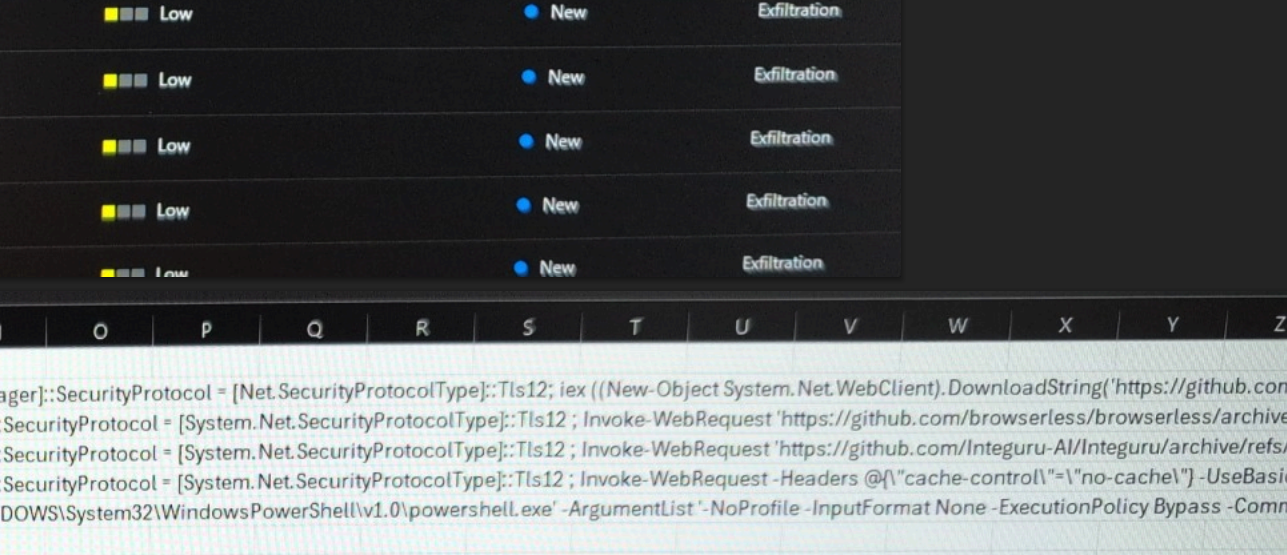
 Read More

ABB MV Drives

 ​View CSAF
1. EXECUTIVE SUMMARY

CVSS v4 8.7
ATTENTION: Exploitable remotely/low attack complexity
Vendor: ABB
Equipment: MV Drives
Vulnerabilities: Improper Restriction of Operations within the Bounds of a Memory Buffer, Improper Input Validation, Out-of-bounds Write

2. RISK EVALUATION
Successful exploitation of these vulnerabilities could allow an attacker to gain full access to the drive or cause a denial-of-service condition.
3. TECHNICAL DETAILS
3.1 AFFECTED PRODUCTS
ABB reports that the following MV Drives are affected by CODESYS RTS (Runtime System) vulnerabilities:

ACS6080: LAAAA 2.10.0 to LAAAB 5.06.1
ACS5000: LAAAB 4.03.0 to LAAAB 5.06.1
ACS6000: LAAAA 2.10.0 to LAAAB 5.06.1

3.2 VULNERABILITY OVERVIEW
3.2.1 IMPROPER RESTRICTION OF OPERATIONS WITHIN THE BOUNDS OF A MEMORY BUFFER CWE-119
The CODESYS Control runtime system does not restrict the memory access. An improper restriction of operations within the bounds of a memory buffer allows an attacker with access to the drive with user privileges to gain full access of the drive.
CVE-2022-4046 has been assigned to this vulnerability. A CVSS v3.1 base score of 8.8 has been calculated; the CVSS vector string is (CVSS:3.1/AV:N/AC:L/PR:L/UI:N/S:U/C:H/I:H/A:H).
A CVSS v4 score has also been calculated for CVE-2022-4046. A base score of 8.7 has been calculated; the CVSS vector string is (CVSS:4.0/AV:N/AC:L/AT:N/PR:L/UI:N/VC:H/VI:H/VA:H/SC:N/SI:N/SA:N).
3.2.2 IMPROPER INPUT VALIDATION CWE-20
In multiple versions of various CODESYS products, after successful user authentication, specifically crafted network communication requests with inconsistent content can cause the CmpApp component to read from an invalid internal address, potentially leading to a denial-of-service condition.
CVE-2023-37550 has been assigned to this vulnerability. A CVSS v3.1 base score of 6.5 has been calculated; the CVSS vector string is (CVSS:3.1/AV:N/AC:L/PR:L/UI:N/S:U/C:N/I:N/A:H).
A CVSS v4 score has also been calculated for CVE-2023-37550. A base score of 7.1 has been calculated; the CVSS vector string is (CVSS:4.0/AV:N/AC:L/AT:N/PR:L/UI:N/VC:N/VI:N/VA:H/SC:N/SI:N/SA:N).
3.2.3 IMPROPER INPUT VALIDATION CWE-20
In multiple versions of various CODESYS products, after successful user authentication, specifically crafted network communication requests with inconsistent content can cause the CmpApp component to read from an invalid internal address, potentially leading to a denial-of-service condition.
CVE-2023-37549 has been assigned to this vulnerability. A CVSS v3.1 base score of 6.5 has been calculated; the CVSS vector string is (CVSS:3.1/AV:N/AC:L/PR:L/UI:N/S:U/C:N/I:N/A:H).
A CVSS v4 score has also been calculated for CVE-2023-37549. A base score of 7.1 has been calculated; the CVSS vector string is (CVSS:4.0/AV:N/AC:L/AT:N/PR:L/UI:N/VC:N/VI:N/VA:H/SC:N/SI:N/SA:N).
3.2.4 IMPROPER INPUT VALIDATION CWE-20
In multiple versions of various CODESYS products, after successful user authentication, specifically crafted network communication requests with inconsistent content can cause the CmpApp component to read from an invalid internal address, potentially leading to a denial-of-service condition.
CVE-2023-37548 has been assigned to this vulnerability. A CVSS v3.1 base score of 6.5 has been calculated; the CVSS vector string is (CVSS:3.1/AV:N/AC:L/PR:L/UI:N/S:U/C:N/I:N/A:H).
A CVSS v4 score has also been calculated for CVE-2023-37548. A base score of 7.1 has been calculated; the CVSS vector string is (CVSS:4.0/AV:N/AC:L/AT:N/PR:L/UI:N/VC:N/VI:N/VA:H/SC:N/SI:N/SA:N).
3.2.5 IMPROPER INPUT VALIDATION CWE-20
In multiple versions of various CODESYS products, after successful user authentication, specifically crafted network communication requests with inconsistent content can cause the CmpApp component to read from an invalid internal address, potentially leading to a denial-of-service condition.
CVE-2023-37547 has been assigned to this vulnerability. A CVSS v3.1 base score of 6.5 has been calculated; the CVSS vector string is (CVSS:3.1/AV:N/AC:L/PR:L/UI:N/S:U/C:N/I:N/A:H).
A CVSS v4 score has also been calculated for CVE-2023-37547. A base score of 7.1 has been calculated; the CVSS vector string is (CVSS:4.0/AV:N/AC:L/AT:N/PR:L/UI:N/VC:N/VI:N/VA:H/SC:N/SI:N/SA:N).
3.2.6 IMPROPER INPUT VALIDATION CWE-20
In multiple versions of various CODESYS products, after a user successfully authenticates, specially crafted network communication requests with inconsistent content can cause the CmpApp component to read from an invalid internal address, potentially leading to a denial-of-service condition.
CVE-2023-37546 has been assigned to this vulnerability. A CVSS v3.1 base score of 6.5 has been calculated; the CVSS vector string is (CVSS:3.1/AV:N/AC:L/PR:L/UI:N/S:U/C:N/I:N/A:H).
A CVSS v4 score has also been calculated for CVE-2023-37546. A base score of 7.1 has been calculated; the CVSS vector string is (CVSS:4.0/AV:N/AC:L/AT:N/PR:L/UI:N/VC:N/VI:N/VA:H/SC:N/SI:N/SA:N).
3.2.7 IMPROPER INPUT VALIDATION CWE-20
In multiple versions of various CODESYS products, after successful user authentication, specifically crafted network communication requests with inconsistent content can cause the CmpApp component to read from an invalid internal address, potentially leading to a denial-of-service condition.
CVE-2023-37545 has been assigned to this vulnerability. A CVSS v3.1 base score of 6.5 has been calculated; the CVSS vector string is (CVSS:3.1/AV:N/AC:L/PR:L/UI:N/S:U/C:N/I:N/A:H).
A CVSS v4 score has also been calculated for CVE-2023-37545. A base score of 7.1 has been calculated; the CVSS vector string is (CVSS:4.0/AV:N/AC:L/AT:N/PR:L/UI:N/VC:N/VI:N/VA:H/SC:N/SI:N/SA:N).
3.2.8 IMPROPER INPUT VALIDATION CWE-20
In multiple versions of various CODESYS products, after successful user authentication, specifically crafted network communication requests with inconsistent content can cause the CmpAppBP component to read from an invalid internal address, potentially leading to a denial-of-service condition.
CVE-2023-37556 has been assigned to this vulnerability. A CVSS v3.1 base score of 6.5 has been calculated; the CVSS vector string is (CVSS:3.1/AV:N/AC:L/PR:L/UI:N/S:U/C:N/I:N/A:H).
A CVSS v4 score has also been calculated for CVE-2023-37556. A base score of 7.1 has been calculated; the CVSS vector string is (CVSS:4.0/AV:N/AC:L/AT:N/PR:L/UI:N/VC:N/VI:N/VA:H/SC:N/SI:N/SA:N).
3.2.9 IMPROPER INPUT VALIDATION CWE-20
In multiple versions of various CODESYS products, after successful user authentication, specifically crafted network communication requests with inconsistent content can cause the CmpAppBP component to read from an invalid internal address, potentially leading to a denial-of-service condition.
CVE-2023-37555 has been assigned to this vulnerability. A CVSS v3.1 base score of 6.5 has been calculated; the CVSS vector string is (CVSS:3.1/AV:N/AC:L/PR:L/UI:N/S:U/C:N/I:N/A:H).
A CVSS v4 score has also been calculated for CVE-2023-37555. A base score of 7.1 has been calculated; the CVSS vector string is (CVSS:4.0/AV:N/AC:L/AT:N/PR:L/UI:N/VC:N/VI:N/VA:H/SC:N/SI:N/SA:N).
3.2.10 IMPROPER INPUT VALIDATION CWE-20
In multiple versions of various CODESYS products, after successful user authentication, specifically crafted network communication requests with inconsistent content can cause the CmpAppBP component to read from an invalid internal address, potentially leading to a denial-of-service condition.
CVE-2023-37554 has been assigned to this vulnerability. A CVSS v3.1 base score of 6.5 has been calculated; the CVSS vector string is (CVSS:3.1/AV:N/AC:L/PR:L/UI:N/S:U/C:N/I:N/A:H).
A CVSS v4 score has also been calculated for CVE-2023-37554. A base score of 7.1 has been calculated; the CVSS vector string is (CVSS:4.0/AV:N/AC:L/AT:N/PR:L/UI:N/VC:N/VI:N/VA:H/SC:N/SI:N/SA:N).
3.2.11 IMPROPER INPUT VALIDATION CWE-20
In multiple versions of various CODESYS products, after successful user authentication, specifically crafted network communication requests with inconsistent content can cause the CmpAppBP component to read from an invalid internal address, potentially leading to a denial-of-service condition.
CVE-2023-37553 has been assigned to this vulnerability. A CVSS v3.1 base score of 6.5 has been calculated; the CVSS vector string is (CVSS:3.1/AV:N/AC:L/PR:L/UI:N/S:U/C:N/I:N/A:H).
A CVSS v4 score has also been calculated for CVE-2023-37553. A base score of 7.1 has been calculated; the CVSS vector string is (CVSS:4.0/AV:N/AC:L/AT:N/PR:L/UI:N/VC:N/VI:N/VA:H/SC:N/SI:N/SA:N).
3.2.12 IMPROPER INPUT VALIDATION CWE-20
In multiple versions of various CODESYS products, after successful user authentication, specifically crafted network communication requests with inconsistent content can cause the CmpAppBP component to read from an invalid internal address, potentially leading to a denial-of-service condition.
CVE-2023-37552 has been assigned to this vulnerability. A CVSS v3.1 base score of 6.5 has been calculated; the CVSS vector string is (CVSS:3.1/AV:N/AC:L/PR:L/UI:N/S:U/C:N/I:N/A:H).
A CVSS v4 score has also been calculated for CVE-2023-37552. A base score of 7.1 has been calculated; the CVSS vector string is (CVSS:4.0/AV:N/AC:L/AT:N/PR:L/UI:N/VC:N/VI:N/VA:H/SC:N/SI:N/SA:N).
3.2.13 OUT-OF-BOUNDS WRITE CWE-787
After successful user authentication in multiple versions of various CODESYS products, specifically crafted remote communication requests can cause the CmpAppBP component to overwrite a heap-based buffer, potentially leading to a denial-of-service condition.
CVE-2023-37557 has been assigned to this vulnerability. A CVSS v3.1 base score of 6.5 has been calculated; the CVSS vector string is (CVSS:3.1/AV:N/AC:L/PR:L/UI:N/S:U/C:N/I:N/A:H).
A CVSS v4 score has also been calculated for CVE-2023-37557. A base score of 7.1 has been calculated; the CVSS vector string is (CVSS:4.0/AV:N/AC:L/AT:N/PR:L/UI:N/VC:N/VI:N/VA:H/SC:N/SI:N/SA:N).
3.2.14 IMPROPER INPUT VALIDATION CWE-20
After successful user authentication in multiple versions of various CODESYS products, specifically crafted network communication requests with inconsistent content can cause the CmpAppForce component to read from an invalid internal address, potentially leading to a denial-of-service condition.
CVE-2023-37559 has been assigned to this vulnerability. A CVSS v3.1 base score of 6.5 has been calculated; the CVSS vector string is (CVSS:3.1/AV:N/AC:L/PR:L/UI:N/S:U/C:N/I:N/A:H).
A CVSS v4 score has also been calculated for CVE-2023-37559. A base score of 7.1 has been calculated; the CVSS vector string is (CVSS:4.0/AV:N/AC:L/AT:N/PR:L/UI:N/VC:N/VI:N/VA:H/SC:N/SI:N/SA:N).
3.2.15 IMPROPER INPUT VALIDATION CWE-20
After successful user authentication in multiple versions of various CODESYS products, specifically crafted network communication requests with inconsistent content can cause the CmpAppForce component to read from an invalid internal address, potentially leading to a denial-of-service condition.
CVE-2023-37558 has been assigned to this vulnerability. A CVSS v3.1 base score of 6.5 has been calculated; the CVSS vector string is (CVSS:3.1/AV:N/AC:L/PR:L/UI:N/S:U/C:N/I:N/A:H).
A CVSS v4 score has also been calculated for CVE-2023-37558. A base score of 7.1 has been calculated; the CVSS vector string is (CVSS:4.0/AV:N/AC:L/AT:N/PR:L/UI:N/VC:N/VI:N/VA:H/SC:N/SI:N/SA:N).
3.3 BACKGROUND

CRITICAL INFRASTRUCTURE SECTORS: Critical Manufacturing
COUNTRIES/AREAS DEPLOYED: Worldwide
COMPANY HEADQUARTERS LOCATION: Switzerland

3.4 RESEARCHER
ABB reported these vulnerabilities to CISA.
4. MITIGATIONS
ABB recommends users apply a firmware update as soon as possible to the latest firmware, i.e. LAAAB v. 5.07 and higher, for the affected products. ABB has addressed the CODESYS Runtime System vulnerabilities by disabling the IEC online programming communication by default. As a result, CODESYS communication between affected products and the ABB Automation Builder or ABB Drive Application Builder tools is disabled.It should be noted that the CODESYS application continues to run on the Drive and if it is necessary to establish communication with CODESYS RTS, for example to debug the CODESYS application, this is possible through the drive parameter configuration. Open the user lock via the “96.02 Pass code” parameter and make sure that bit 9 “Enable online IEC programming” is set to TRUE in the “96.102 User lock functionality” parameter. IMPORTANT: After this task, be sure to disable CODESYS communication by setting the bit back to FALSE.A future firmware update is planned to update the CODESYS RTS library, which will further strengthen defenses for the vulnerabilities mentioned above.
ABB recommends the following mitigating factors:To exploit these vulnerabilities, a successful login to the affected product is required. This can be achieved by one of the following methods:

Connecting a computer to the Drive that is running Drive Automation Builder or Drive Composer.
Having access to the local network where the drive is located. In this case, an attacker could send malformed packets directly to the drive.To make the attack more difficult and less likely to succeed, provide network isolation where the drive is located and ensure that no computer running Drive Automation Builder or Drive Composer is connected to the drive without proper security controls. Please refer to “General security recommendations” for further advise on how to keep drive secure.

ABB proposes the following workaround to mitigate this threat for situations where the above actions are not feasible:

Set bit 2 “Disable file download” to TRUE in the “96.102 User lock functionality” parameter.Although these workarounds will not correct the underlying vulnerability, they can help block known attack vectors. Please see below to understand possible reduced functionality of the drive. IMPORTANT: Contact a qualified and certified ABB personnel for more information about the parameter handling of the affected products.Impact of workaround: This workaround restricts the updating of IEC programs, but existing IEC programs on Drives can still be used. To update an IEC program, the operator must unlock the user lock and enable file download in a protected network environment. It is highly recommended to disable file download, as vulnerabilities are more easily exploitable when file download is enabled. WARNING: The user lock cannot be opened even by ABB if the pass code is lost.

For more information, see ABB’s security advisory 9AKK108470A9989.
ABB strongly recommends the following general cybersecurity practices for any installation of software-related products (this list is non-exhaustive):

Isolate special purpose networks (e.g., automation systems) and remote devices behind firewalls, and separate them from any general-purpose network (e.g., office or home networks).
Install physical controls to prevent unauthorized personnel from accessing devices, components, peripheral equipment, and networks.
Never connect programming software or computers containing programming software to any network other than the network intended for the devices.
Scan all data imported into your environment before use to detect potential malware infections.
Minimize network exposure for all applications and endpoints to ensure they are not accessible from the Internet unless designed for such exposure and required for the intended use.
Ensure all nodes are always up to date with installed software, operating system, and firmware patches, as well as anti-virus and firewall protections.
When remote access is required, use secure methods, such as virtual private networks (VPNs). Recognize that VPNs may have vulnerabilities and should be updated to the most current version available. Also, understand that VPNs are only as secure as the connected devices.
Install the drive in a secure location accessible only to authorized personnel.
Install physical controls to ensure only authorized personnel can access devices connected to the drive (e.g., computers, peripheral equipment, and networks).
Avoid connecting computers containing Drive Automation Builder programming software to any network other than the network intended for the devices.
Ensure security controls are followed on computers connected to the drive, such as installing updated security patches, firewalls, and anti-virus software, and running only authorized software. It is the user’s responsibility to ensure these conditions.
More information on recommended practices can be found in Protecting operations through cyber security: ABB Drives solutions.

CISA recommends users take defensive measures to minimize the risk of exploitation of these vulnerabilities. CISA reminds organizations to perform proper impact analysis and risk assessment prior to deploying defensive measures.
CISA also provides a section for control systems security recommended practices on the ICS webpage on cisa.gov. Several CISA products detailing cyber defense best practices are available for reading and download, including Improving Industrial Control Systems Cybersecurity with Defense-in-Depth Strategies.
CISA encourages organizations to implement recommended cybersecurity strategies for proactive defense of ICS assets.
Additional mitigation guidance and recommended practices are publicly available on the ICS webpage at cisa.gov in the technical information paper, ICS-TIP-12-146-01B–Targeted Cyber Intrusion Detection and Mitigation Strategies.
Organizations observing suspected malicious activity should follow established internal procedures and report findings to CISA for tracking and correlation against other incidents.
CISA also recommends users take the following measures to protect themselves from social engineering attacks:

Do not click web links or open attachments in unsolicited email messages.
Refer to Recognizing and Avoiding Email Scams for more information on avoiding email scams.
Refer to Avoiding Social Engineering and Phishing Attacks for more information on social engineering attacks.

No known public exploitation specifically targeting these vulnerabilities has been reported to CISA at this time.
5. UPDATE HISTORY

April 22, 2025: Initial Republication of ABB PSIRT 9AKK108470A9989 

View CSAF

1. EXECUTIVE SUMMARY

  • CVSS v4 8.7
  • ATTENTION: Exploitable remotely/low attack complexity
  • Vendor: ABB
  • Equipment: MV Drives
  • Vulnerabilities: Improper Restriction of Operations within the Bounds of a Memory Buffer, Improper Input Validation, Out-of-bounds Write

2. RISK EVALUATION

Successful exploitation of these vulnerabilities could allow an attacker to gain full access to the drive or cause a denial-of-service condition.

3. TECHNICAL DETAILS

3.1 AFFECTED PRODUCTS

ABB reports that the following MV Drives are affected by CODESYS RTS (Runtime System) vulnerabilities:

  • ACS6080: LAAAA 2.10.0 to LAAAB 5.06.1
  • ACS5000: LAAAB 4.03.0 to LAAAB 5.06.1
  • ACS6000: LAAAA 2.10.0 to LAAAB 5.06.1

3.2 VULNERABILITY OVERVIEW

3.2.1 IMPROPER RESTRICTION OF OPERATIONS WITHIN THE BOUNDS OF A MEMORY BUFFER CWE-119

The CODESYS Control runtime system does not restrict the memory access. An improper restriction of operations within the bounds of a memory buffer allows an attacker with access to the drive with user privileges to gain full access of the drive.

CVE-2022-4046 has been assigned to this vulnerability. A CVSS v3.1 base score of 8.8 has been calculated; the CVSS vector string is (CVSS:3.1/AV:N/AC:L/PR:L/UI:N/S:U/C:H/I:H/A:H).

A CVSS v4 score has also been calculated for CVE-2022-4046. A base score of 8.7 has been calculated; the CVSS vector string is (CVSS:4.0/AV:N/AC:L/AT:N/PR:L/UI:N/VC:H/VI:H/VA:H/SC:N/SI:N/SA:N).

3.2.2 IMPROPER INPUT VALIDATION CWE-20

In multiple versions of various CODESYS products, after successful user authentication, specifically crafted network communication requests with inconsistent content can cause the CmpApp component to read from an invalid internal address, potentially leading to a denial-of-service condition.

CVE-2023-37550 has been assigned to this vulnerability. A CVSS v3.1 base score of 6.5 has been calculated; the CVSS vector string is (CVSS:3.1/AV:N/AC:L/PR:L/UI:N/S:U/C:N/I:N/A:H).

A CVSS v4 score has also been calculated for CVE-2023-37550. A base score of 7.1 has been calculated; the CVSS vector string is (CVSS:4.0/AV:N/AC:L/AT:N/PR:L/UI:N/VC:N/VI:N/VA:H/SC:N/SI:N/SA:N).

3.2.3 IMPROPER INPUT VALIDATION CWE-20

In multiple versions of various CODESYS products, after successful user authentication, specifically crafted network communication requests with inconsistent content can cause the CmpApp component to read from an invalid internal address, potentially leading to a denial-of-service condition.

CVE-2023-37549 has been assigned to this vulnerability. A CVSS v3.1 base score of 6.5 has been calculated; the CVSS vector string is (CVSS:3.1/AV:N/AC:L/PR:L/UI:N/S:U/C:N/I:N/A:H).

A CVSS v4 score has also been calculated for CVE-2023-37549. A base score of 7.1 has been calculated; the CVSS vector string is (CVSS:4.0/AV:N/AC:L/AT:N/PR:L/UI:N/VC:N/VI:N/VA:H/SC:N/SI:N/SA:N).

3.2.4 IMPROPER INPUT VALIDATION CWE-20

In multiple versions of various CODESYS products, after successful user authentication, specifically crafted network communication requests with inconsistent content can cause the CmpApp component to read from an invalid internal address, potentially leading to a denial-of-service condition.

CVE-2023-37548 has been assigned to this vulnerability. A CVSS v3.1 base score of 6.5 has been calculated; the CVSS vector string is (CVSS:3.1/AV:N/AC:L/PR:L/UI:N/S:U/C:N/I:N/A:H).

A CVSS v4 score has also been calculated for CVE-2023-37548. A base score of 7.1 has been calculated; the CVSS vector string is (CVSS:4.0/AV:N/AC:L/AT:N/PR:L/UI:N/VC:N/VI:N/VA:H/SC:N/SI:N/SA:N).

3.2.5 IMPROPER INPUT VALIDATION CWE-20

In multiple versions of various CODESYS products, after successful user authentication, specifically crafted network communication requests with inconsistent content can cause the CmpApp component to read from an invalid internal address, potentially leading to a denial-of-service condition.

CVE-2023-37547 has been assigned to this vulnerability. A CVSS v3.1 base score of 6.5 has been calculated; the CVSS vector string is (CVSS:3.1/AV:N/AC:L/PR:L/UI:N/S:U/C:N/I:N/A:H).

A CVSS v4 score has also been calculated for CVE-2023-37547. A base score of 7.1 has been calculated; the CVSS vector string is (CVSS:4.0/AV:N/AC:L/AT:N/PR:L/UI:N/VC:N/VI:N/VA:H/SC:N/SI:N/SA:N).

3.2.6 IMPROPER INPUT VALIDATION CWE-20

In multiple versions of various CODESYS products, after a user successfully authenticates, specially crafted network communication requests with inconsistent content can cause the CmpApp component to read from an invalid internal address, potentially leading to a denial-of-service condition.

CVE-2023-37546 has been assigned to this vulnerability. A CVSS v3.1 base score of 6.5 has been calculated; the CVSS vector string is (CVSS:3.1/AV:N/AC:L/PR:L/UI:N/S:U/C:N/I:N/A:H).

A CVSS v4 score has also been calculated for CVE-2023-37546. A base score of 7.1 has been calculated; the CVSS vector string is (CVSS:4.0/AV:N/AC:L/AT:N/PR:L/UI:N/VC:N/VI:N/VA:H/SC:N/SI:N/SA:N).

3.2.7 IMPROPER INPUT VALIDATION CWE-20

In multiple versions of various CODESYS products, after successful user authentication, specifically crafted network communication requests with inconsistent content can cause the CmpApp component to read from an invalid internal address, potentially leading to a denial-of-service condition.

CVE-2023-37545 has been assigned to this vulnerability. A CVSS v3.1 base score of 6.5 has been calculated; the CVSS vector string is (CVSS:3.1/AV:N/AC:L/PR:L/UI:N/S:U/C:N/I:N/A:H).

A CVSS v4 score has also been calculated for CVE-2023-37545. A base score of 7.1 has been calculated; the CVSS vector string is (CVSS:4.0/AV:N/AC:L/AT:N/PR:L/UI:N/VC:N/VI:N/VA:H/SC:N/SI:N/SA:N).

3.2.8 IMPROPER INPUT VALIDATION CWE-20

In multiple versions of various CODESYS products, after successful user authentication, specifically crafted network communication requests with inconsistent content can cause the CmpAppBP component to read from an invalid internal address, potentially leading to a denial-of-service condition.

CVE-2023-37556 has been assigned to this vulnerability. A CVSS v3.1 base score of 6.5 has been calculated; the CVSS vector string is (CVSS:3.1/AV:N/AC:L/PR:L/UI:N/S:U/C:N/I:N/A:H).

A CVSS v4 score has also been calculated for CVE-2023-37556. A base score of 7.1 has been calculated; the CVSS vector string is (CVSS:4.0/AV:N/AC:L/AT:N/PR:L/UI:N/VC:N/VI:N/VA:H/SC:N/SI:N/SA:N).

3.2.9 IMPROPER INPUT VALIDATION CWE-20

In multiple versions of various CODESYS products, after successful user authentication, specifically crafted network communication requests with inconsistent content can cause the CmpAppBP component to read from an invalid internal address, potentially leading to a denial-of-service condition.

CVE-2023-37555 has been assigned to this vulnerability. A CVSS v3.1 base score of 6.5 has been calculated; the CVSS vector string is (CVSS:3.1/AV:N/AC:L/PR:L/UI:N/S:U/C:N/I:N/A:H).

A CVSS v4 score has also been calculated for CVE-2023-37555. A base score of 7.1 has been calculated; the CVSS vector string is (CVSS:4.0/AV:N/AC:L/AT:N/PR:L/UI:N/VC:N/VI:N/VA:H/SC:N/SI:N/SA:N).

3.2.10 IMPROPER INPUT VALIDATION CWE-20

In multiple versions of various CODESYS products, after successful user authentication, specifically crafted network communication requests with inconsistent content can cause the CmpAppBP component to read from an invalid internal address, potentially leading to a denial-of-service condition.

CVE-2023-37554 has been assigned to this vulnerability. A CVSS v3.1 base score of 6.5 has been calculated; the CVSS vector string is (CVSS:3.1/AV:N/AC:L/PR:L/UI:N/S:U/C:N/I:N/A:H).

A CVSS v4 score has also been calculated for CVE-2023-37554. A base score of 7.1 has been calculated; the CVSS vector string is (CVSS:4.0/AV:N/AC:L/AT:N/PR:L/UI:N/VC:N/VI:N/VA:H/SC:N/SI:N/SA:N).

3.2.11 IMPROPER INPUT VALIDATION CWE-20

In multiple versions of various CODESYS products, after successful user authentication, specifically crafted network communication requests with inconsistent content can cause the CmpAppBP component to read from an invalid internal address, potentially leading to a denial-of-service condition.

CVE-2023-37553 has been assigned to this vulnerability. A CVSS v3.1 base score of 6.5 has been calculated; the CVSS vector string is (CVSS:3.1/AV:N/AC:L/PR:L/UI:N/S:U/C:N/I:N/A:H).

A CVSS v4 score has also been calculated for CVE-2023-37553. A base score of 7.1 has been calculated; the CVSS vector string is (CVSS:4.0/AV:N/AC:L/AT:N/PR:L/UI:N/VC:N/VI:N/VA:H/SC:N/SI:N/SA:N).

3.2.12 IMPROPER INPUT VALIDATION CWE-20

In multiple versions of various CODESYS products, after successful user authentication, specifically crafted network communication requests with inconsistent content can cause the CmpAppBP component to read from an invalid internal address, potentially leading to a denial-of-service condition.

CVE-2023-37552 has been assigned to this vulnerability. A CVSS v3.1 base score of 6.5 has been calculated; the CVSS vector string is (CVSS:3.1/AV:N/AC:L/PR:L/UI:N/S:U/C:N/I:N/A:H).

A CVSS v4 score has also been calculated for CVE-2023-37552. A base score of 7.1 has been calculated; the CVSS vector string is (CVSS:4.0/AV:N/AC:L/AT:N/PR:L/UI:N/VC:N/VI:N/VA:H/SC:N/SI:N/SA:N).

3.2.13 OUT-OF-BOUNDS WRITE CWE-787

After successful user authentication in multiple versions of various CODESYS products, specifically crafted remote communication requests can cause the CmpAppBP component to overwrite a heap-based buffer, potentially leading to a denial-of-service condition.

CVE-2023-37557 has been assigned to this vulnerability. A CVSS v3.1 base score of 6.5 has been calculated; the CVSS vector string is (CVSS:3.1/AV:N/AC:L/PR:L/UI:N/S:U/C:N/I:N/A:H).

A CVSS v4 score has also been calculated for CVE-2023-37557. A base score of 7.1 has been calculated; the CVSS vector string is (CVSS:4.0/AV:N/AC:L/AT:N/PR:L/UI:N/VC:N/VI:N/VA:H/SC:N/SI:N/SA:N).

3.2.14 IMPROPER INPUT VALIDATION CWE-20

After successful user authentication in multiple versions of various CODESYS products, specifically crafted network communication requests with inconsistent content can cause the CmpAppForce component to read from an invalid internal address, potentially leading to a denial-of-service condition.

CVE-2023-37559 has been assigned to this vulnerability. A CVSS v3.1 base score of 6.5 has been calculated; the CVSS vector string is (CVSS:3.1/AV:N/AC:L/PR:L/UI:N/S:U/C:N/I:N/A:H).

A CVSS v4 score has also been calculated for CVE-2023-37559. A base score of 7.1 has been calculated; the CVSS vector string is (CVSS:4.0/AV:N/AC:L/AT:N/PR:L/UI:N/VC:N/VI:N/VA:H/SC:N/SI:N/SA:N).

3.2.15 IMPROPER INPUT VALIDATION CWE-20

After successful user authentication in multiple versions of various CODESYS products, specifically crafted network communication requests with inconsistent content can cause the CmpAppForce component to read from an invalid internal address, potentially leading to a denial-of-service condition.

CVE-2023-37558 has been assigned to this vulnerability. A CVSS v3.1 base score of 6.5 has been calculated; the CVSS vector string is (CVSS:3.1/AV:N/AC:L/PR:L/UI:N/S:U/C:N/I:N/A:H).

A CVSS v4 score has also been calculated for CVE-2023-37558. A base score of 7.1 has been calculated; the CVSS vector string is (CVSS:4.0/AV:N/AC:L/AT:N/PR:L/UI:N/VC:N/VI:N/VA:H/SC:N/SI:N/SA:N).

3.3 BACKGROUND

  • CRITICAL INFRASTRUCTURE SECTORS: Critical Manufacturing
  • COUNTRIES/AREAS DEPLOYED: Worldwide
  • COMPANY HEADQUARTERS LOCATION: Switzerland

3.4 RESEARCHER

ABB reported these vulnerabilities to CISA.

4. MITIGATIONS

ABB recommends users apply a firmware update as soon as possible to the latest firmware, i.e. LAAAB v. 5.07 and higher, for the affected products. ABB has addressed the CODESYS Runtime System vulnerabilities by disabling the IEC online programming communication by default. As a result, CODESYS communication between affected products and the ABB Automation Builder or ABB Drive Application Builder tools is disabled.
It should be noted that the CODESYS application continues to run on the Drive and if it is necessary to establish communication with CODESYS RTS, for example to debug the CODESYS application, this is possible through the drive parameter configuration. Open the user lock via the “96.02 Pass code” parameter and make sure that bit 9 “Enable online IEC programming” is set to TRUE in the “96.102 User lock functionality” parameter. IMPORTANT: After this task, be sure to disable CODESYS communication by setting the bit back to FALSE.
A future firmware update is planned to update the CODESYS RTS library, which will further strengthen defenses for the vulnerabilities mentioned above.

ABB recommends the following mitigating factors:
To exploit these vulnerabilities, a successful login to the affected product is required. This can be achieved by one of the following methods:

  • Connecting a computer to the Drive that is running Drive Automation Builder or Drive Composer.
  • Having access to the local network where the drive is located. In this case, an attacker could send malformed packets directly to the drive.
    To make the attack more difficult and less likely to succeed, provide network isolation where the drive is located and ensure that no computer running Drive Automation Builder or Drive Composer is connected to the drive without proper security controls. Please refer to “General security recommendations” for further advise on how to keep drive secure.

ABB proposes the following workaround to mitigate this threat for situations where the above actions are not feasible:

  • Set bit 2 “Disable file download” to TRUE in the “96.102 User lock functionality” parameter.
    Although these workarounds will not correct the underlying vulnerability, they can help block known attack vectors. Please see below to understand possible reduced functionality of the drive. IMPORTANT: Contact a qualified and certified ABB personnel for more information about the parameter handling of the affected products.
    Impact of workaround: This workaround restricts the updating of IEC programs, but existing IEC programs on Drives can still be used. To update an IEC program, the operator must unlock the user lock and enable file download in a protected network environment. It is highly recommended to disable file download, as vulnerabilities are more easily exploitable when file download is enabled. WARNING: The user lock cannot be opened even by ABB if the pass code is lost.

For more information, see ABB’s security advisory 9AKK108470A9989.

ABB strongly recommends the following general cybersecurity practices for any installation of software-related products (this list is non-exhaustive):

  • Isolate special purpose networks (e.g., automation systems) and remote devices behind firewalls, and separate them from any general-purpose network (e.g., office or home networks).
  • Install physical controls to prevent unauthorized personnel from accessing devices, components, peripheral equipment, and networks.
  • Never connect programming software or computers containing programming software to any network other than the network intended for the devices.
  • Scan all data imported into your environment before use to detect potential malware infections.
  • Minimize network exposure for all applications and endpoints to ensure they are not accessible from the Internet unless designed for such exposure and required for the intended use.
  • Ensure all nodes are always up to date with installed software, operating system, and firmware patches, as well as anti-virus and firewall protections.
  • When remote access is required, use secure methods, such as virtual private networks (VPNs). Recognize that VPNs may have vulnerabilities and should be updated to the most current version available. Also, understand that VPNs are only as secure as the connected devices.
  • Install the drive in a secure location accessible only to authorized personnel.
  • Install physical controls to ensure only authorized personnel can access devices connected to the drive (e.g., computers, peripheral equipment, and networks).
  • Avoid connecting computers containing Drive Automation Builder programming software to any network other than the network intended for the devices.
  • Ensure security controls are followed on computers connected to the drive, such as installing updated security patches, firewalls, and anti-virus software, and running only authorized software. It is the user’s responsibility to ensure these conditions.
  • More information on recommended practices can be found in Protecting operations through cyber security: ABB Drives solutions.

CISA recommends users take defensive measures to minimize the risk of exploitation of these vulnerabilities. CISA reminds organizations to perform proper impact analysis and risk assessment prior to deploying defensive measures.

CISA also provides a section for control systems security recommended practices on the ICS webpage on cisa.gov. Several CISA products detailing cyber defense best practices are available for reading and download, including Improving Industrial Control Systems Cybersecurity with Defense-in-Depth Strategies.

CISA encourages organizations to implement recommended cybersecurity strategies for proactive defense of ICS assets.

Additional mitigation guidance and recommended practices are publicly available on the ICS webpage at cisa.gov in the technical information paper, ICS-TIP-12-146-01B–Targeted Cyber Intrusion Detection and Mitigation Strategies.

Organizations observing suspected malicious activity should follow established internal procedures and report findings to CISA for tracking and correlation against other incidents.

CISA also recommends users take the following measures to protect themselves from social engineering attacks:

No known public exploitation specifically targeting these vulnerabilities has been reported to CISA at this time.

5. UPDATE HISTORY

  • April 22, 2025: Initial Republication of ABB PSIRT 9AKK108470A9989

 Read More

Whistleblower: DOGE Siphoned NLRB Case Data

​A security architect with the National Labor Relations Board (NLRB) alleges that employees from Elon Musk’s Department of Government Efficiency (DOGE) transferred gigabytes of sensitive data from agency case files in early March, using short-lived accounts configured to leave few traces of network activity. The NLRB whistleblower said the unusual large data outflows coincided with multiple blocked login attempts from an Internet address in Russia that tried to use valid credentials for a newly-created DOGE user account. 

A security architect with the National Labor Relations Board (NLRB) alleges that employees from Elon Musk‘s Department of Government Efficiency (DOGE) transferred gigabytes of sensitive data from agency case files in early March, using short-lived accounts configured to leave few traces of network activity. The NLRB whistleblower said the unusual large data outflows coincided with multiple blocked login attempts from an Internet address in Russia that tried to use valid credentials for a newly-created DOGE user account.

The cover letter from Berulis’s whistleblower statement, sent to the leaders of the Senate Select Committee on Intelligence.

The allegations came in an April 14 letter to the Senate Select Committee on Intelligence, signed by Daniel J. Berulis, a 38-year-old security architect at the NLRB.

NPR, which was the first to report on Berulis’s whistleblower complaint, says NLRB is a small, independent federal agency that investigates and adjudicates complaints about unfair labor practices, and stores “reams of potentially sensitive data, from confidential information about employees who want to form unions to proprietary business information.”

The complaint documents a one-month period beginning March 3, during which DOGE officials reportedly demanded the creation of all-powerful “tenant admin” accounts in NLRB systems that were to be exempted from network logging activity that would otherwise keep a detailed record of all actions taken by those accounts.

Berulis said the new DOGE accounts had unrestricted permission to read, copy, and alter information contained in NLRB databases. The new accounts also could restrict log visibility, delay retention, route logs elsewhere, or even remove them entirely — top-tier user privileges that neither Berulis nor his boss possessed.

Berulis writes that on March 3, a black SUV accompanied by a police escort arrived at his building — the NLRB headquarters in Southeast Washington, D.C. The DOGE staffers did not speak with Berulis or anyone else in NLRB’s IT staff, but instead met with the agency leadership.

“Our acting chief information officer told us not to adhere to standard operating procedure with the DOGE account creation, and there was to be no logs or records made of the accounts created for DOGE employees, who required the highest level of access,” Berulis wrote of their instructions after that meeting.

“We have built in roles that auditors can use and have used extensively in the past but would not give the ability to make changes or access subsystems without approval,” he continued. “The suggestion that they use these accounts was not open to discussion.”

Berulis found that on March 3 one of the DOGE accounts created an opaque, virtual environment known as a “container,” which can be used to build and run programs or scripts without revealing its activities to the rest of the world. Berulis said the container caught his attention because he polled his colleagues and found none of them had ever used containers within the NLRB network.

Berulis said he also noticed that early the next morning — between approximately 3 a.m. and 4 a.m. EST on Tuesday, March 4  — there was a large increase in outgoing traffic from the agency. He said it took several days of investigating with his colleagues to determine that one of the new accounts had transferred approximately 10 gigabytes worth of data from the NLRB’s NxGen case management system.

Berulis said neither he nor his co-workers had the necessary network access rights to review which files were touched or transferred — or even where they went. But his complaint notes the NxGen database contains sensitive information on unions, ongoing legal cases, and corporate secrets.

“I also don’t know if the data was only 10gb in total or whether or not they were consolidated and compressed prior,” Berulis told the senators. “This opens up the possibility that even more data was exfiltrated. Regardless, that kind of spike is extremely unusual because data almost never directly leaves NLRB’s databases.”

Berulis said he and his colleagues grew even more alarmed when they noticed nearly two dozen login attempts from a Russian Internet address (83.149.30,186) that presented valid login credentials for a DOGE employee account — one that had been created just minutes earlier. Berulis said those attempts were all blocked thanks to rules in place that prohibit logins from non-U.S. locations.

“Whoever was attempting to log in was using one of the newly created accounts that were used in the other DOGE related activities and it appeared they had the correct username and password due to the authentication flow only stopping them due to our no-out-of-country logins policy activating,” Berulis wrote. “There were more than 20 such attempts, and what is particularly concerning is that many of these login attempts occurred within 15 minutes of the accounts being created by DOGE engineers.”

According to Berulis, the naming structure of one Microsoft user account connected to the suspicious activity suggested it had been created and later deleted for DOGE use in the NLRB’s cloud systems: “DogeSA_2d5c3e0446f9@nlrb.microsoft.com.” He also found other new Microsoft cloud administrator accounts with nonstandard usernames, including “Whitesox, Chicago M.” and “Dancehall, Jamaica R.”

A screenshot shared by Berulis showing the suspicious user accounts.

On March 5, Berulis documented that a large section of logs for recently created network resources were missing, and a network watcher in Microsoft Azure was set to the “off” state, meaning it was no longer collecting and recording data like it should have.

Berulis said he discovered someone had downloaded three external code libraries from GitHub that neither NLRB nor its contractors ever use. A “readme” file in one of the code bundles explained it was created to rotate connections through a large pool of cloud Internet addresses that serve “as a proxy to generate pseudo-infinite IPs for web scraping and brute forcing.” Brute force attacks involve automated login attempts that try many credential combinations in rapid sequence.

The complaint alleges that by March 17 it became clear the NLRB no longer had the resources or network access needed to fully investigate the odd activity from the DOGE accounts, and that on March 24, the agency’s associate chief information officer had agreed the matter should be reported to US-CERT. Operated by the Department of Homeland Security’s Cybersecurity and Infrastructure Security Agency (CISA), US-CERT provides on-site cyber incident response capabilities to federal and state agencies.

But Berulis said that between April 3 and 4, he and the associate CIO were informed that “instructions had come down to drop the US-CERT reporting and investigation and we were directed not to move forward or create an official report.” Berulis said it was at this point he decided to go public with his findings.

An email from Daniel Berulis to his colleagues dated March 28, referencing the unexplained traffic spike earlier in the month and the unauthorized changing of security controls for user accounts.

Tim Bearese, the NLRB’s acting press secretary, told NPR that DOGE neither requested nor received access to its systems, and that “the agency conducted an investigation after Berulis raised his concerns but ‘determined that no breach of agency systems occurred.’” The NLRB did not respond to questions from KrebsOnSecurity.

Nevertheless, Berulis has shared a number of supporting screenshots showing agency email discussions about the unexplained account activity attributed to the DOGE accounts, as well as NLRB security alerts from Microsoft about network anomalies observed during the timeframes described.

As CNN reported last month, the NLRB has been effectively hobbled since President Trump fired three board members, leaving the agency without the quorum it needs to function.

“Despite its limitations, the agency had become a thorn in the side of some of the richest and most powerful people in the nation — notably Elon Musk, Trump’s key supporter both financially and arguably politically,” CNN wrote.

Both Amazon and Musk’s SpaceX have been suing the NLRB over complaints the agency filed in disputes about workers’ rights and union organizing, arguing that the NLRB’s very existence is unconstitutional. On March 5, a U.S. appeals court unanimously rejected Musk’s claim that the NLRB’s structure somehow violates the Constitution.

Berulis shared screenshots with KrebsOnSecurity showing that on the day the NPR published its story about his claims (April 14), the deputy CIO at NLRB sent an email stating that administrative control had been removed from all employee accounts. Meaning, suddenly none of the IT employees at the agency could do their jobs properly anymore, Berulis said.

An email from the NLRB’s associate chief information officer Eric Marks, notifying employees they will lose security administrator privileges.

Berulis shared a screenshot of an agency-wide email dated April 16 from NLRB director Lasharn Hamilton saying DOGE officials had requested a meeting, and reiterating claims that the agency had no prior “official” contact with any DOGE personnel. The message informed NLRB employees that two DOGE representatives would be detailed to the agency part-time for several months.

An email from the NLRB Director Lasharn Hamilton on April 16, stating that the agency previously had no contact with DOGE personnel.

Berulis told KrebsOnSecurity he was in the process of filing a support ticket with Microsoft to request more information about the DOGE accounts when his network administrator access was restricted. Now, he’s hoping lawmakers will ask Microsoft to provide more information about what really happened with the accounts.

“That would give us way more insight,” he said. “Microsoft has to be able to see the picture better than we can. That’s my goal, anyway.”

Berulis’s attorney told lawmakers that on April 7, while his client and legal team were preparing the whistleblower complaint, someone physically taped a threatening note to Mr. Berulis’s home door with photographs — taken via drone — of him walking in his neighborhood.

“The threatening note made clear reference to this very disclosure he was preparing for you, as the proper oversight authority,” reads a preface by Berulis’s attorney Andrew P. Bakaj. “While we do not know specifically who did this, we can only speculate that it involved someone with the ability to access NLRB systems.”

Berulis said the response from friends, colleagues and even the public has been largely supportive, and that he doesn’t regret his decision to come forward.

“I didn’t expect the letter on my door or the pushback from [agency] leaders,” he said. “If I had to do it over, would I do it again? Yes, because it wasn’t really even a choice the first time.”

For now, Mr. Berulis is taking some paid family leave from the NLRB. Which is just as well, he said, considering he was stripped of the tools needed to do his job at the agency.

“They came in and took full administrative control and locked everyone out, and said limited permission will be assigned on a need basis going forward” Berulis said of the DOGE employees. “We can’t really do anything, so we’re literally getting paid to count ceiling tiles.”

Further reading: Berulis’s complaint (PDF).


Read More

Schneider Electric Sage Series

 ​View CSAF
1. EXECUTIVE SUMMARY

CVSS v4 9.3
ATTENTION: Exploitable remotely/low attack complexity
Vendor: Schneider Electric
Equipment: Sage series
Vulnerabilities: Out-of-bounds Write, Improper Limitation of a Pathname to a Restricted Directory (‘Path Traversal’), Incorrect Default Permissions, Unchecked Return Value, Buffer Copy without Checking Size of Input (‘Classic Buffer Overflow’), Out-of-bounds Read

2. RISK EVALUATION
Successful exploitation of this vulnerability could allow an attacker to compromise the impacted device, leading to loss of data, loss of operation, or impacts to the performance of the device.
3. TECHNICAL DETAILS
3.1 AFFECTED PRODUCTS
Schneider Electric reports that the following products are affected:

Sage 1410: Versions C3414-500-S02K5_P8 and prior
Sage 1430: Versions C3414-500-S02K5_P8 and prior
Sage 1450: Versions C3414-500-S02K5_P8 and prior
Sage 2400: Versions C3414-500-S02K5_P8 and prior
Sage 4400: Versions C3414-500-S02K5_P8 and prior
Sage 3030 Magnum: Versions C3414-500-S02K5_P8 and prior

3.2 VULNERABILITY OVERVIEW
3.2.1 OUT-OF-BOUNDS WRITE CWE-787
An out-of-bounds write vulnerability exists that could result in an authentication bypass when sending a malformed POST request and particular configuration parameters are set.
CVE-2024-37036 has been assigned to this vulnerability. A CVSS v3 base score of 9.8 has been calculated; the CVSS vector string is (CVSS:3.1/AV:N/AC:L/PR:N/UI:N/S:U/C:H/I:H/A:H).
A CVSS v4 score has also been calculated for CVE-2024-37036. A base score of 9.3 has been calculated; the CVSS vector string is (CVSS:4.0/AV:N/AC:L/AT:N/PR:N/UI:N/VC:H/VI:H/VA:H/SC:N/SI:N/SA:N).
3.2.2 IMPROPER LIMITATION OF A PATHNAME TO A RESTRICTED DIRECTORY (‘PATH TRAVERSAL’) CWE-22
An improper limitation of a pathname to a restricted directory (‘path traversal’) vulnerability exists that could allow an authenticated user with access to the device’s web interface to corrupt files and impact device functionality when sending a crafted HTTP request.
CVE-2024-37037 has been assigned to this vulnerability. A CVSS v3 base score of 8.1 has been calculated; the CVSS vector string is (CVSS:3.1/AV:N/AC:L/PR:L/UI:N/S:U/C:N/I:H/A:H).
A CVSS v4 score has also been calculated for CVE-2024-37037. A base score of 7.2 has been calculated; the CVSS vector string is (CVSS:4.0/AV:N/AC:L/AT:N/PR:L/UI:N/VC:N/VI:H/VA:H/SC:N/SI:N/SA:N).
3.2.3 INCORRECT DEFAULT PERMISSIONS CWE-276
An incorrect default permissions vulnerability exists that could allow an authenticated user with access to the device’s web interface to perform unauthorized file and firmware uploads when crafting custom web requests.
CVE-2024-37038 has been assigned to this vulnerability. A CVSS v3 base score of 7.5 has been calculated; the CVSS vector string is (CVSS:3.1/AV:N/AC:H/PR:L/UI:N/S:U/C:H/I:H/A:H).
A CVSS v4 score has also been calculated for CVE-2024-37038. A base score of 7.7 has been calculated; the CVSS vector string is (CVSS:4.0/AV:N/AC:H/AT:N/PR:L/UI:N/VC:H/VI:H/VA:H/SC:N/SI:N/SA:N).
3.2.4 UNCHECKED RETURN VALUE CWE-252
An unchecked return value vulnerability exists that could cause denial of service of the device when an attacker sends a specially crafted HTTP request.
CVE-2024-37039 has been assigned to this vulnerability. A CVSS v3 base score of 5.9 has been calculated; the CVSS vector string is (CVSS:3.1/AV:N/AC:H/PR:N/UI:N/S:U/C:N/I:N/A:H).
A CVSS v4 score has also been calculated for CVE-2024-37039. A base score of 8.2 has been calculated; the CVSS vector string is (CVSS:4.0/AV:N/AC:H/AT:N/PR:N/UI:N/VC:N/VI:N/VA:H/SC:N/SI:N/SA:N).
3.2.5 BUFFER COPY WITHOUT CHECKING SIZE OF INPUT (‘CLASSIC BUFFER OVERFLOW’) CWE-120
A buffer copy without checking size of input (‘classic buffer overflow’) vulnerability exists that could allow a user with access to the device’s web interface to cause a fault on the device when sending a malformed HTTP request.
CVE-2024-37040 has been assigned to this vulnerability. A CVSS v3 base score of 5.4 has been calculated; the CVSS vector string is (CVSS:3.1/AV:N/AC:L/PR:L/UI:N/S:U/C:N/I:L/A:L).
A CVSS v4 score has also been calculated for CVE-2024-37040. A base score of 7.1 has been calculated; the CVSS vector string is (CVSS:4.0/AV:N/AC:L/AT:N/PR:L/UI:N/VC:N/VI:L/VA:L/SC:N/SI:L/SA:L).
3.2.6 OUT-OF-BOUNDS READ CWE-125
An out-of-bounds read vulnerability exists that could cause denial of service of the device’s web interface when an attacker sends a specially crafted HTTP request.
CVE-2024-5560 has been assigned to this vulnerability. A CVSS v3 base score of 5.3 has been calculated; the CVSS vector string is (CVSS:3.1/AV:N/AC:L/PR:N/UI:N/S:U/C:N/I:N/A:L).
A CVSS v4 score has also been calculated for CVE-2024-5560. A base score of 6.9 has been calculated; the CVSS vector string is (CVSS:4.0/AV:N/AC:L/AT:N/PR:N/UI:N/VC:N/VI:N/VA:L/SC:N/SI:L/SA:L).
3.3 BACKGROUND

CRITICAL INFRASTRUCTURE SECTORS: Energy
COUNTRIES/AREAS DEPLOYED: Worldwide
COMPANY HEADQUARTERS LOCATION: France

3.4 RESEARCHER
Marlon Schumacher and Alex Armstrong from LLNL and Vishal Madipadga from SNL reported these vulnerabilities to Schneider Electric.
4. MITIGATIONS
Schneider Electric has identified the following specific workarounds and mitigations users can apply to reduce risk:

Firmware version C3414-500-S02K5_P9 of SAGE RTU includes a fix for these vulnerabilities and is available for download.
For more information, see Schneider Electric security notification “SEVD-2024-163-05 SAGE RTU”.

Schneider Electric strongly recommend the following industry cybersecurity best practices.

Locate control and safety system networks and remote devices behind firewalls and isolate them from the business network.
Install physical controls so no unauthorized personnel can access your industrial control and safety systems, components, peripheral equipment, and networks.
Place all controllers in locked cabinets and never leave them in the “Program” mode.
Never connect programming software to any network other than the network intended for that device.
Scan all methods of mobile data exchange with the isolated network such as CDs, USB drives, etc. before use in the terminals or any node connected to these networks.
Never allow mobile devices that have connected to any other network besides the intended network to connect to the safety or control networks without proper sanitation.
Minimize network exposure for all control system devices and systems and ensure that they are not accessible from the Internet.
When remote access is required, use secure methods, such as virtual private networks (VPNs). Recognize that VPNs may have vulnerabilities and should be updated to the most current version available. Also, understand that VPNs are only as secure as the connected devices.

CISA recommends users take defensive measures to minimize the risk of exploitation of these vulnerabilities. CISA reminds organizations to perform proper impact analysis and risk assessment prior to deploying defensive measures.
CISA also provides a section for control systems security recommended practices on the ICS webpage on cisa.gov. Several CISA products detailing cyber defense best practices are available for reading and download, including Improving Industrial Control Systems Cybersecurity with Defense-in-Depth Strategies.
CISA encourages organizations to implement recommended cybersecurity strategies for proactive defense of ICS assets.
Additional mitigation guidance and recommended practices are publicly available on the ICS webpage at cisa.gov in the technical information paper, ICS-TIP-12-146-01B–Targeted Cyber Intrusion Detection and Mitigation Strategies.
Organizations observing suspected malicious activity should follow established internal procedures and report findings to CISA for tracking and correlation against other incidents.
CISA also recommends users take the following measures to protect themselves from social engineering attacks:

Do not click web links or open attachments in unsolicited email messages.
Refer to Recognizing and Avoiding Email Scams for more information on avoiding email scams.
Refer to Avoiding Social Engineering and Phishing Attacks for more information on social engineering attacks.

No known public exploitation specifically targeting these vulnerabilities has been reported to CISA at this time.
5. UPDATE HISTORY

April 17, 2025: Initial Republication of Schneider Electric Advisory SEVD-2024-163-05 

View CSAF

1. EXECUTIVE SUMMARY

  • CVSS v4 9.3
  • ATTENTION: Exploitable remotely/low attack complexity
  • Vendor: Schneider Electric
  • Equipment: Sage series
  • Vulnerabilities: Out-of-bounds Write, Improper Limitation of a Pathname to a Restricted Directory (‘Path Traversal’), Incorrect Default Permissions, Unchecked Return Value, Buffer Copy without Checking Size of Input (‘Classic Buffer Overflow’), Out-of-bounds Read

2. RISK EVALUATION

Successful exploitation of this vulnerability could allow an attacker to compromise the impacted device, leading to loss of data, loss of operation, or impacts to the performance of the device.

3. TECHNICAL DETAILS

3.1 AFFECTED PRODUCTS

Schneider Electric reports that the following products are affected:

  • Sage 1410: Versions C3414-500-S02K5_P8 and prior
  • Sage 1430: Versions C3414-500-S02K5_P8 and prior
  • Sage 1450: Versions C3414-500-S02K5_P8 and prior
  • Sage 2400: Versions C3414-500-S02K5_P8 and prior
  • Sage 4400: Versions C3414-500-S02K5_P8 and prior
  • Sage 3030 Magnum: Versions C3414-500-S02K5_P8 and prior

3.2 VULNERABILITY OVERVIEW

3.2.1 OUT-OF-BOUNDS WRITE CWE-787

An out-of-bounds write vulnerability exists that could result in an authentication bypass when sending a malformed POST request and particular configuration parameters are set.

CVE-2024-37036 has been assigned to this vulnerability. A CVSS v3 base score of 9.8 has been calculated; the CVSS vector string is (CVSS:3.1/AV:N/AC:L/PR:N/UI:N/S:U/C:H/I:H/A:H).

A CVSS v4 score has also been calculated for CVE-2024-37036. A base score of 9.3 has been calculated; the CVSS vector string is (CVSS:4.0/AV:N/AC:L/AT:N/PR:N/UI:N/VC:H/VI:H/VA:H/SC:N/SI:N/SA:N).

3.2.2 IMPROPER LIMITATION OF A PATHNAME TO A RESTRICTED DIRECTORY (‘PATH TRAVERSAL’) CWE-22

An improper limitation of a pathname to a restricted directory (‘path traversal’) vulnerability exists that could allow an authenticated user with access to the device’s web interface to corrupt files and impact device functionality when sending a crafted HTTP request.

CVE-2024-37037 has been assigned to this vulnerability. A CVSS v3 base score of 8.1 has been calculated; the CVSS vector string is (CVSS:3.1/AV:N/AC:L/PR:L/UI:N/S:U/C:N/I:H/A:H).

A CVSS v4 score has also been calculated for CVE-2024-37037. A base score of 7.2 has been calculated; the CVSS vector string is (CVSS:4.0/AV:N/AC:L/AT:N/PR:L/UI:N/VC:N/VI:H/VA:H/SC:N/SI:N/SA:N).

3.2.3 INCORRECT DEFAULT PERMISSIONS CWE-276

An incorrect default permissions vulnerability exists that could allow an authenticated user with access to the device’s web interface to perform unauthorized file and firmware uploads when crafting custom web requests.

CVE-2024-37038 has been assigned to this vulnerability. A CVSS v3 base score of 7.5 has been calculated; the CVSS vector string is (CVSS:3.1/AV:N/AC:H/PR:L/UI:N/S:U/C:H/I:H/A:H).

A CVSS v4 score has also been calculated for CVE-2024-37038. A base score of 7.7 has been calculated; the CVSS vector string is (CVSS:4.0/AV:N/AC:H/AT:N/PR:L/UI:N/VC:H/VI:H/VA:H/SC:N/SI:N/SA:N).

3.2.4 UNCHECKED RETURN VALUE CWE-252

An unchecked return value vulnerability exists that could cause denial of service of the device when an attacker sends a specially crafted HTTP request.

CVE-2024-37039 has been assigned to this vulnerability. A CVSS v3 base score of 5.9 has been calculated; the CVSS vector string is (CVSS:3.1/AV:N/AC:H/PR:N/UI:N/S:U/C:N/I:N/A:H).

A CVSS v4 score has also been calculated for CVE-2024-37039. A base score of 8.2 has been calculated; the CVSS vector string is (CVSS:4.0/AV:N/AC:H/AT:N/PR:N/UI:N/VC:N/VI:N/VA:H/SC:N/SI:N/SA:N).

3.2.5 BUFFER COPY WITHOUT CHECKING SIZE OF INPUT (‘CLASSIC BUFFER OVERFLOW’) CWE-120

A buffer copy without checking size of input (‘classic buffer overflow’) vulnerability exists that could allow a user with access to the device’s web interface to cause a fault on the device when sending a malformed HTTP request.

CVE-2024-37040 has been assigned to this vulnerability. A CVSS v3 base score of 5.4 has been calculated; the CVSS vector string is (CVSS:3.1/AV:N/AC:L/PR:L/UI:N/S:U/C:N/I:L/A:L).

A CVSS v4 score has also been calculated for CVE-2024-37040. A base score of 7.1 has been calculated; the CVSS vector string is (CVSS:4.0/AV:N/AC:L/AT:N/PR:L/UI:N/VC:N/VI:L/VA:L/SC:N/SI:L/SA:L).

3.2.6 OUT-OF-BOUNDS READ CWE-125

An out-of-bounds read vulnerability exists that could cause denial of service of the device’s web interface when an attacker sends a specially crafted HTTP request.

CVE-2024-5560 has been assigned to this vulnerability. A CVSS v3 base score of 5.3 has been calculated; the CVSS vector string is (CVSS:3.1/AV:N/AC:L/PR:N/UI:N/S:U/C:N/I:N/A:L).

A CVSS v4 score has also been calculated for CVE-2024-5560. A base score of 6.9 has been calculated; the CVSS vector string is (CVSS:4.0/AV:N/AC:L/AT:N/PR:N/UI:N/VC:N/VI:N/VA:L/SC:N/SI:L/SA:L).

3.3 BACKGROUND

  • CRITICAL INFRASTRUCTURE SECTORS: Energy
  • COUNTRIES/AREAS DEPLOYED: Worldwide
  • COMPANY HEADQUARTERS LOCATION: France

3.4 RESEARCHER

Marlon Schumacher and Alex Armstrong from LLNL and Vishal Madipadga from SNL reported these vulnerabilities to Schneider Electric.

4. MITIGATIONS

Schneider Electric has identified the following specific workarounds and mitigations users can apply to reduce risk:

Schneider Electric strongly recommend the following industry cybersecurity best practices.

  • Locate control and safety system networks and remote devices behind firewalls and isolate them from the business network.
  • Install physical controls so no unauthorized personnel can access your industrial control and safety systems, components, peripheral equipment, and networks.
  • Place all controllers in locked cabinets and never leave them in the “Program” mode.
  • Never connect programming software to any network other than the network intended for that device.
  • Scan all methods of mobile data exchange with the isolated network such as CDs, USB drives, etc. before use in the terminals or any node connected to these networks.
  • Never allow mobile devices that have connected to any other network besides the intended network to connect to the safety or control networks without proper sanitation.
  • Minimize network exposure for all control system devices and systems and ensure that they are not accessible from the Internet.
  • When remote access is required, use secure methods, such as virtual private networks (VPNs). Recognize that VPNs may have vulnerabilities and should be updated to the most current version available. Also, understand that VPNs are only as secure as the connected devices.

CISA recommends users take defensive measures to minimize the risk of exploitation of these vulnerabilities. CISA reminds organizations to perform proper impact analysis and risk assessment prior to deploying defensive measures.

CISA also provides a section for control systems security recommended practices on the ICS webpage on cisa.gov. Several CISA products detailing cyber defense best practices are available for reading and download, including Improving Industrial Control Systems Cybersecurity with Defense-in-Depth Strategies.

CISA encourages organizations to implement recommended cybersecurity strategies for proactive defense of ICS assets.

Additional mitigation guidance and recommended practices are publicly available on the ICS webpage at cisa.gov in the technical information paper, ICS-TIP-12-146-01B–Targeted Cyber Intrusion Detection and Mitigation Strategies.

Organizations observing suspected malicious activity should follow established internal procedures and report findings to CISA for tracking and correlation against other incidents.

CISA also recommends users take the following measures to protect themselves from social engineering attacks:

No known public exploitation specifically targeting these vulnerabilities has been reported to CISA at this time.

5. UPDATE HISTORY

  • April 17, 2025: Initial Republication of Schneider Electric Advisory SEVD-2024-163-05

 Read More

Scroll to Top