CISA Adds Three Known Exploited Vulnerabilities to Catalog

 ​CISA has added three new vulnerabilities to its Known Exploited Vulnerabilities Catalog, based on evidence of active exploitation.

CVE-2024-43047 Qualcomm Multiple Chipsets Use-After-Free Vulnerability
CVE-2024-43572 Microsoft Windows Management Console Remote Code Execution Vulnerability
CVE-2024-43573 Microsoft Windows MSHTML Platform Spoofing Vulnerability

These types of vulnerabilities are frequent attack vectors for malicious cyber actors and pose significant risks to the federal enterprise.
Binding Operational Directive (BOD) 22-01: Reducing the Significant Risk of Known Exploited Vulnerabilities established the Known Exploited Vulnerabilities Catalog as a living list of known Common Vulnerabilities and Exposures (CVEs) that carry significant risk to the federal enterprise. BOD 22-01 requires Federal Civilian Executive Branch (FCEB) agencies to remediate identified vulnerabilities by the due date to protect FCEB networks against active threats. See the BOD 22-01 Fact Sheet for more information.
Although BOD 22-01 only applies to FCEB agencies, CISA strongly urges all organizations to reduce their exposure to cyberattacks by prioritizing timely remediation of Catalog vulnerabilities as part of their vulnerability management practice. CISA will continue to add vulnerabilities to the catalog that meet the specified criteria. 

CISA has added three new vulnerabilities to its Known Exploited Vulnerabilities Catalog, based on evidence of active exploitation.

CVE-2024-43047 Qualcomm Multiple Chipsets Use-After-Free Vulnerability
CVE-2024-43572 Microsoft Windows Management Console Remote Code Execution Vulnerability
CVE-2024-43573 Microsoft Windows MSHTML Platform Spoofing Vulnerability

These types of vulnerabilities are frequent attack vectors for malicious cyber actors and pose significant risks to the federal enterprise.

Binding Operational Directive (BOD) 22-01: Reducing the Significant Risk of Known Exploited Vulnerabilities established the Known Exploited Vulnerabilities Catalog as a living list of known Common Vulnerabilities and Exposures (CVEs) that carry significant risk to the federal enterprise. BOD 22-01 requires Federal Civilian Executive Branch (FCEB) agencies to remediate identified vulnerabilities by the due date to protect FCEB networks against active threats. See the BOD 22-01 Fact Sheet for more information.

Although BOD 22-01 only applies to FCEB agencies, CISA strongly urges all organizations to reduce their exposure to cyberattacks by prioritizing timely remediation of Catalog vulnerabilities as part of their vulnerability management practice. CISA will continue to add vulnerabilities to the catalog that meet the specified criteria.

 Read More

Microsoft Releases October 2024 Security Updates

 ​Microsoft released security updates to address vulnerabilities in multiple products. A cyber threat actor could exploit some of these vulnerabilities to take control of an affected system.
CISA encourages users and administrators to review the following and apply necessary updates:

Microsoft Security Update Guide for October 

Microsoft released security updates to address vulnerabilities in multiple products. A cyber threat actor could exploit some of these vulnerabilities to take control of an affected system.

CISA encourages users and administrators to review the following and apply necessary updates:

Microsoft Security Update Guide for October
 Read More

CISA and FBI Release Fact Sheet on Protecting Against Iranian Targeting of Accounts Associated with National Political Organizations

 ​Today, CISA and the Federal Bureau of Investigation (FBI) released joint fact sheet, How to Protect Against Iranian Targeting of Accounts Associated with National Political Organizations. This fact sheet provides information about threat actors affiliated with the Iranian Government’s Islamic Revolutionary Guard Corps (IRGC) targeting and compromising accounts of Americans to stoke discord and undermine confidence in U.S. democratic institutions.
IRGC actors have previously gained and continue to seek access to personal and business accounts using social engineering techniques by targeting victims across email and chat. This fact sheet includes steps that individuals and organizations can take to enhance their security and resilience to protect themselves against the common techniques used by these cyber actors.
CISA and FBI strongly recommend all individuals and organizations associated with national political organizations apply the mitigations in this fact sheet, including protecting their sensitive accounts with phishing-resistant multifactor authentication (MFA). 
Election infrastructure stakeholders and the public can find more resources on how to protect against cyber and physical threats at #Protect2024. CISA encourages organizations to review its Iran Cyber Threat webpage for advisories and actions to defend their networks. 

Today, CISA and the Federal Bureau of Investigation (FBI) released joint fact sheet, How to Protect Against Iranian Targeting of Accounts Associated with National Political Organizations. This fact sheet provides information about threat actors affiliated with the Iranian Government’s Islamic Revolutionary Guard Corps (IRGC) targeting and compromising accounts of Americans to stoke discord and undermine confidence in U.S. democratic institutions.

IRGC actors have previously gained and continue to seek access to personal and business accounts using social engineering techniques by targeting victims across email and chat. This fact sheet includes steps that individuals and organizations can take to enhance their security and resilience to protect themselves against the common techniques used by these cyber actors.

CISA and FBI strongly recommend all individuals and organizations associated with national political organizations apply the mitigations in this fact sheet, including protecting their sensitive accounts with phishing-resistant multifactor authentication (MFA)

Election infrastructure stakeholders and the public can find more resources on how to protect against cyber and physical threats at #Protect2024. CISA encourages organizations to review its Iran Cyber Threat webpage for advisories and actions to defend their networks.

 Read More

Avoid Scams After Disaster Strikes

 ​As hurricanes and other natural disasters occur, CISA urges individuals to remain on alert for potential malicious cyber activity. Fraudulent emails and social media messages—often containing malicious links or attachments—are common after major natural disasters. Exercise caution in handling emails with hurricane-related subject lines, attachments, or hyperlinks. In addition, be wary of social media pleas, texts, or door-to-door solicitations relating to severe weather events. Before responding, ensure hurricane-related guidance is from trusted sources, such as local officials and disaster response organizations, including Federal Emergency Management Agency (FEMA) and DHS’s Ready.gov.
CISA encourages users to review the following resources to avoid falling victim to malicious cyber activity: 

Federal Trade Commission’s Staying Alert to Disaster-related Scams and Before Giving to a Charity, 
Consumer Financial Protection Bureau’s Frauds and Scams, 
FEMA’s Disaster Fraud guidance, and 
CISA’s Phishing Guidance, Stopping the Attack Cycle at Phase One to help organizations reduce likelihood and impact of successful phishing attacks.  

As hurricanes and other natural disasters occur, CISA urges individuals to remain on alert for potential malicious cyber activity. Fraudulent emails and social media messages—often containing malicious links or attachments—are common after major natural disasters. Exercise caution in handling emails with hurricane-related subject lines, attachments, or hyperlinks. In addition, be wary of social media pleas, texts, or door-to-door solicitations relating to severe weather events. Before responding, ensure hurricane-related guidance is from trusted sources, such as local officials and disaster response organizations, including Federal Emergency Management Agency (FEMA) and DHS’s Ready.gov.

CISA encourages users to review the following resources to avoid falling victim to malicious cyber activity: 

Federal Trade Commission’s Staying Alert to Disaster-related Scams and Before Giving to a Charity
Consumer Financial Protection Bureau’s Frauds and Scams
FEMA’s Disaster Fraud guidance, and 
CISA’s Phishing Guidance, Stopping the Attack Cycle at Phase One to help organizations reduce likelihood and impact of successful phishing attacks. 
 Read More

CISA Adds One Known Exploited Vulnerability to Catalog

 ​CISA has added one new vulnerability to its Known Exploited Vulnerabilities Catalog, based on evidence of active exploitation.

CVE-2024-45519 Synacor Zimbra Collaboration Command Execution Vulnerability

These types of vulnerabilities are frequent attack vectors for malicious cyber actors and pose significant risks to the federal enterprise.
Binding Operational Directive (BOD) 22-01: Reducing the Significant Risk of Known Exploited Vulnerabilities established the Known Exploited Vulnerabilities Catalog as a living list of known Common Vulnerabilities and Exposures (CVEs) that carry significant risk to the federal enterprise. BOD 22-01 requires Federal Civilian Executive Branch (FCEB) agencies to remediate identified vulnerabilities by the due date to protect FCEB networks against active threats. See the BOD 22-01 Fact Sheet for more information.
Although BOD 22-01 only applies to FCEB agencies, CISA strongly urges all organizations to reduce their exposure to cyberattacks by prioritizing timely remediation of Catalog vulnerabilities as part of their vulnerability management practice. CISA will continue to add vulnerabilities to the catalog that meet the specified criteria. 

CISA has added one new vulnerability to its Known Exploited Vulnerabilities Catalog, based on evidence of active exploitation.

CVE-2024-45519 Synacor Zimbra Collaboration Command Execution Vulnerability

These types of vulnerabilities are frequent attack vectors for malicious cyber actors and pose significant risks to the federal enterprise.

Binding Operational Directive (BOD) 22-01: Reducing the Significant Risk of Known Exploited Vulnerabilities established the Known Exploited Vulnerabilities Catalog as a living list of known Common Vulnerabilities and Exposures (CVEs) that carry significant risk to the federal enterprise. BOD 22-01 requires Federal Civilian Executive Branch (FCEB) agencies to remediate identified vulnerabilities by the due date to protect FCEB networks against active threats. See the BOD 22-01 Fact Sheet for more information.

Although BOD 22-01 only applies to FCEB agencies, CISA strongly urges all organizations to reduce their exposure to cyberattacks by prioritizing timely remediation of Catalog vulnerabilities as part of their vulnerability management practice. CISA will continue to add vulnerabilities to the catalog that meet the specified criteria.

 Read More

Delta Electronics DIAEnergie

 ​View CSAF
1. EXECUTIVE SUMMARY

CVSS v4 9.3
ATTENTION: Exploitable remotely/low attack complexity
Vendor: Delta Electronics
Equipment: DIAEnergie
Vulnerabilities: SQL Injection

2. RISK EVALUATION
Successful exploitation of these vulnerabilities could allow an attacker to retrieve records or cause a denial of service.
3. TECHNICAL DETAILS
3.1 AFFECTED PRODUCTS
The following versions of Delta Electronics DIAEnergie, an industrial energy management system, are affected:

DIAEnergie: Versions v1.10.01.008 and prior.

3.2 Vulnerability Overview
3.2.1 SQL Injection CWE-89
Delta Electronics DIAEnergie is vulnerable to an SQL injection in the script AM_RegReport.aspx. An unauthenticated attacker may be able to exploit this issue to obtain records contained in the targeted product.
CVE-2024-43699 has been assigned to this vulnerability. A CVSS v3.1 base score of 9.8 has been calculated; the CVSS vector string is (CVSS:3.1/AV:N/AC:L/PR:N/UI:N/S:U/C:H/I:H/A:H).
A CVSS v4 score has also been calculated for CVE-2024-43699. A base score of 9.3 has been calculated; the CVSS vector string is (CVSS:4.0/AV:N/AC:L/AT:N/PR:N/UI:N/VC:H/VI:H/VA:H/SC:N/SI:N/SA:N).
3.2.2 SQL Injection CWE-89
Delta Electronics DIAEnergie is vulnerable to an SQL injection in the script Handler_CFG.ashx. An authenticated attacker may be able to exploit this issue to cause delay in the targeted product.
CVE-2024-42417 has been assigned to this vulnerability. A CVSS v3.1 base score of 8.8 has been calculated; the CVSS vector string is (CVSS:3.1/AV:N/AC:L/PR:L/UI:N/S:U/C:H/I:H/A:H).
A CVSS v4 score has also been calculated for CVE-2024-42417. A base score of 8.7 has been calculated; the CVSS vector string is (CVSS:4.0/AV:N/AC:L/AT:N/PR:L/UI:N/VC:H/VI:H/VA:H/SC:N/SI:N/SA:N).
3.3 BACKGROUND

CRITICAL INFRASTRUCTURE SECTORS: Critical Manufacturing
COUNTRIES/AREAS DEPLOYED: Worldwide
COMPANY HEADQUARTERS LOCATION: Taiwan

3.4 RESEARCHER
Michael Heinzl reported these vulnerabilities to CISA.
4. MITIGATIONS
Delta recommends users update to DIAEnergie v1.10.01.009. Users can request this version of DIAEnergie from Delta Electronics’ regional sales or agents.
For more information on this issue, please see the Delta product cybersecurity advisory.
CISA recommends users take defensive measures to minimize the risk of exploitation of these vulnerabilities, such as:

Minimize network exposure for all control system devices and/or systems, ensuring they are not accessible from the internet.
Locate control system networks and remote devices behind firewalls and isolating them from business networks.
When remote access is required, use more secure methods, such as virtual private networks (VPNs), recognizing VPNs may have vulnerabilities and should be updated to the most current version available. Also recognize VPN is only as secure as the connected devices.

CISA reminds organizations to perform proper impact analysis and risk assessment prior to deploying defensive measures.
CISA also provides a section for control systems security recommended practices on the ICS webpage on cisa.gov/ics. Several CISA products detailing cyber defense best practices are available for reading and download, including Improving Industrial Control Systems Cybersecurity with Defense-in-Depth Strategies.
CISA encourages organizations to implement recommended cybersecurity strategies for proactive defense of ICS assets.
Additional mitigation guidance and recommended practices are publicly available on the ICS webpage at cisa.gov/ics in the technical information paper, ICS-TIP-12-146-01B–Targeted Cyber Intrusion Detection and Mitigation Strategies.
Organizations observing suspected malicious activity should follow established internal procedures and report findings to CISA for tracking and correlation against other incidents.
No known public exploitation specifically targeting these vulnerabilities has been reported to CISA at this time.
5. UPDATE HISTORY

October 3, 2024: Initial Publication 

View CSAF

1. EXECUTIVE SUMMARY

CVSS v4 9.3
ATTENTION: Exploitable remotely/low attack complexity
Vendor: Delta Electronics
Equipment: DIAEnergie
Vulnerabilities: SQL Injection

2. RISK EVALUATION

Successful exploitation of these vulnerabilities could allow an attacker to retrieve records or cause a denial of service.

3. TECHNICAL DETAILS

3.1 AFFECTED PRODUCTS

The following versions of Delta Electronics DIAEnergie, an industrial energy management system, are affected:

DIAEnergie: Versions v1.10.01.008 and prior.

3.2 Vulnerability Overview

3.2.1 SQL Injection CWE-89

Delta Electronics DIAEnergie is vulnerable to an SQL injection in the script AM_RegReport.aspx. An unauthenticated attacker may be able to exploit this issue to obtain records contained in the targeted product.

CVE-2024-43699 has been assigned to this vulnerability. A CVSS v3.1 base score of 9.8 has been calculated; the CVSS vector string is (CVSS:3.1/AV:N/AC:L/PR:N/UI:N/S:U/C:H/I:H/A:H).

A CVSS v4 score has also been calculated for CVE-2024-43699. A base score of 9.3 has been calculated; the CVSS vector string is (CVSS:4.0/AV:N/AC:L/AT:N/PR:N/UI:N/VC:H/VI:H/VA:H/SC:N/SI:N/SA:N).

3.2.2 SQL Injection CWE-89

Delta Electronics DIAEnergie is vulnerable to an SQL injection in the script Handler_CFG.ashx. An authenticated attacker may be able to exploit this issue to cause delay in the targeted product.

CVE-2024-42417 has been assigned to this vulnerability. A CVSS v3.1 base score of 8.8 has been calculated; the CVSS vector string is (CVSS:3.1/AV:N/AC:L/PR:L/UI:N/S:U/C:H/I:H/A:H).

A CVSS v4 score has also been calculated for CVE-2024-42417. A base score of 8.7 has been calculated; the CVSS vector string is (CVSS:4.0/AV:N/AC:L/AT:N/PR:L/UI:N/VC:H/VI:H/VA:H/SC:N/SI:N/SA:N).

3.3 BACKGROUND

CRITICAL INFRASTRUCTURE SECTORS: Critical Manufacturing
COUNTRIES/AREAS DEPLOYED: Worldwide
COMPANY HEADQUARTERS LOCATION: Taiwan

3.4 RESEARCHER

Michael Heinzl reported these vulnerabilities to CISA.

4. MITIGATIONS

Delta recommends users update to DIAEnergie v1.10.01.009. Users can request this version of DIAEnergie from Delta Electronics’ regional sales or agents.

For more information on this issue, please see the Delta product cybersecurity advisory.

CISA recommends users take defensive measures to minimize the risk of exploitation of these vulnerabilities, such as:

Minimize network exposure for all control system devices and/or systems, ensuring they are not accessible from the internet.
Locate control system networks and remote devices behind firewalls and isolating them from business networks.
When remote access is required, use more secure methods, such as virtual private networks (VPNs), recognizing VPNs may have vulnerabilities and should be updated to the most current version available. Also recognize VPN is only as secure as the connected devices.

CISA reminds organizations to perform proper impact analysis and risk assessment prior to deploying defensive measures.

CISA also provides a section for control systems security recommended practices on the ICS webpage on cisa.gov/ics. Several CISA products detailing cyber defense best practices are available for reading and download, including Improving Industrial Control Systems Cybersecurity with Defense-in-Depth Strategies.

CISA encourages organizations to implement recommended cybersecurity strategies for proactive defense of ICS assets.

Additional mitigation guidance and recommended practices are publicly available on the ICS webpage at cisa.gov/ics in the technical information paper, ICS-TIP-12-146-01B–Targeted Cyber Intrusion Detection and Mitigation Strategies.

Organizations observing suspected malicious activity should follow established internal procedures and report findings to CISA for tracking and correlation against other incidents.

No known public exploitation specifically targeting these vulnerabilities has been reported to CISA at this time.

5. UPDATE HISTORY

October 3, 2024: Initial Publication
 Read More

TEM Opera Plus FM Family Transmitter

 ​View CSAF
1. EXECUTIVE SUMMARY

CVSS v4 9.3
ATTENTION: Exploitable remotely/low attack complexity/public exploits are available
Vendor: TEM
Equipment: Opera Plus FM Family Transmitter
Vulnerabilities: Missing Authentication for Critical Function, Cross-Site Request Forgery (CSRF)

2. RISK EVALUATION
Successful exploitation of these vulnerabilities could allow an attacker to perform remote code execution.
3. TECHNICAL DETAILS
3.1 AFFECTED PRODUCTS
The following versions of TEM Opera Plus FM Family Transmitter, a FM Transmitter, are affected:

Opera Plus FM Family Transmitter: Version 35.45

3.2 Vulnerability Overview
3.2.1 Missing Authentication for Critical Function CWE-306
TEM Opera Plus FM Family Transmitter allows access to an unprotected endpoint that allows MPFS File System binary image upload without authentication. This file system serves as the basis for the HTTP2 web server module but is also used by the SNMP module and is available to other applications that require basic read-only storage capabilities. This can be exploited to overwrite the flash program memory that holds the web server’s main interfaces and execute arbitrary code.
CVE-2024-41988 has been assigned to this vulnerability. A CVSS v3.1 base score of 9.8 has been calculated; the CVSS vector string is (AV:N/AC:L/PR:N/UI:N/S:U/C:H/I:H/A:H).
A CVSS v4 score has also been calculated for CVE-2024-41988. A base score of 9.3 has been calculated; the CVSS vector string is (CVSS4.0/AV:N/AC:L/AT:N/PR:N/UI:N/VC:H/VI:H/VA:H/SC:N/SI:N/SA:N).
3.2.2 Cross-Site Request Forgery (CSRF) CWE-352
The TEM Opera Plus FM Family Transmitter application interface allows users to perform certain actions via HTTP requests without performing any validity checks to verify the requests. This can be exploited to perform certain actions with administrative privileges if a logged-in user visits a malicious web site.
CVE-2024-41987 has been assigned to this vulnerability. A CVSS v3.1 base score of 9.6 has been calculated; the CVSS vector string is (AV:N/AC:L/PR:N/UI:R/S:C/C:H/I:H/A:H).
A CVSS v4 score has also been calculated for CVE-2024-41987. A base score of 8.6 has been calculated; the CVSS vector string is (CVSS4.0/AV:N/AC:L/AT:N/PR:N/UI:A/VC:H/VI:H/VA:H/SC:N/SI:N/SA:N).
3.3 BACKGROUND

CRITICAL INFRASTRUCTURE SECTORS: Communications
COUNTRIES/AREAS DEPLOYED: Worldwide
COMPANY HEADQUARTERS LOCATION: Italy

3.4 RESEARCHER
CISA discovered a public Proof of Concept (PoC) as authored by Gjoko Krstic and reported it to TEM.
4. MITIGATIONS
TEM has not responded to requests to work with CISA to mitigate these vulnerabilities. Users of the affected products are encouraged to contact TEM for additional information.
CISA recommends users take defensive measures to minimize the risk of exploitation of these vulnerabilities, such as:

Minimize network exposure for all control system devices and/or systems, ensuring they are not accessible from the internet.
Locate control system networks and remote devices behind firewalls and isolating them from business networks.
When remote access is required, use more secure methods, such as Virtual Private Networks (VPNs), recognizing VPNs may have vulnerabilities and should be updated to the most current version available. Also recognize VPN is only as secure as the connected devices.

CISA reminds organizations to perform proper impact analysis and risk assessment prior to deploying defensive measures.
CISA also provides a section for control systems security recommended practices on the ICS webpage on cisa.gov/ics. Several CISA products detailing cyber defense best practices are available for reading and download, including Improving Industrial Control Systems Cybersecurity with Defense-in-Depth Strategies.
CISA encourages organizations to implement recommended cybersecurity strategies for proactive defense of ICS assets.
Additional mitigation guidance and recommended practices are publicly available on the ICS webpage at cisa.gov/ics in the technical information paper, ICS-TIP-12-146-01B–Targeted Cyber Intrusion Detection and Mitigation Strategies.
Organizations observing suspected malicious activity should follow established internal procedures and report findings to CISA for tracking and correlation against other incidents.
CISA also recommends users take the following measures to protect themselves from social engineering attacks:

Do not click web links or open attachments in unsolicited email messages.
Refer to Recognizing and Avoiding Email Scams for more information on avoiding email scams.
Refer to Avoiding Social Engineering and Phishing Attacks for more information on social engineering attacks.

No known public exploitation specifically targeting these vulnerabilities has been reported to CISA at this time.
5. UPDATE HISTORY

October 03, 2024: Initial Publication 

View CSAF

1. EXECUTIVE SUMMARY

CVSS v4 9.3
ATTENTION: Exploitable remotely/low attack complexity/public exploits are available
Vendor: TEM
Equipment: Opera Plus FM Family Transmitter
Vulnerabilities: Missing Authentication for Critical Function, Cross-Site Request Forgery (CSRF)

2. RISK EVALUATION

Successful exploitation of these vulnerabilities could allow an attacker to perform remote code execution.

3. TECHNICAL DETAILS

3.1 AFFECTED PRODUCTS

The following versions of TEM Opera Plus FM Family Transmitter, a FM Transmitter, are affected:

Opera Plus FM Family Transmitter: Version 35.45

3.2 Vulnerability Overview

3.2.1 Missing Authentication for Critical Function CWE-306

TEM Opera Plus FM Family Transmitter allows access to an unprotected endpoint that allows MPFS File System binary image upload without authentication. This file system serves as the basis for the HTTP2 web server module but is also used by the SNMP module and is available to other applications that require basic read-only storage capabilities. This can be exploited to overwrite the flash program memory that holds the web server’s main interfaces and execute arbitrary code.

CVE-2024-41988 has been assigned to this vulnerability. A CVSS v3.1 base score of 9.8 has been calculated; the CVSS vector string is (AV:N/AC:L/PR:N/UI:N/S:U/C:H/I:H/A:H).

A CVSS v4 score has also been calculated for CVE-2024-41988. A base score of 9.3 has been calculated; the CVSS vector string is (CVSS4.0/AV:N/AC:L/AT:N/PR:N/UI:N/VC:H/VI:H/VA:H/SC:N/SI:N/SA:N).

3.2.2 Cross-Site Request Forgery (CSRF) CWE-352

The TEM Opera Plus FM Family Transmitter application interface allows users to perform certain actions via HTTP requests without performing any validity checks to verify the requests. This can be exploited to perform certain actions with administrative privileges if a logged-in user visits a malicious web site.

CVE-2024-41987 has been assigned to this vulnerability. A CVSS v3.1 base score of 9.6 has been calculated; the CVSS vector string is (AV:N/AC:L/PR:N/UI:R/S:C/C:H/I:H/A:H).

A CVSS v4 score has also been calculated for CVE-2024-41987. A base score of 8.6 has been calculated; the CVSS vector string is (CVSS4.0/AV:N/AC:L/AT:N/PR:N/UI:A/VC:H/VI:H/VA:H/SC:N/SI:N/SA:N).

3.3 BACKGROUND

CRITICAL INFRASTRUCTURE SECTORS: Communications
COUNTRIES/AREAS DEPLOYED: Worldwide
COMPANY HEADQUARTERS LOCATION: Italy

3.4 RESEARCHER

CISA discovered a public Proof of Concept (PoC) as authored by Gjoko Krstic and reported it to TEM.

4. MITIGATIONS

TEM has not responded to requests to work with CISA to mitigate these vulnerabilities. Users of the affected products are encouraged to contact TEM for additional information.

CISA recommends users take defensive measures to minimize the risk of exploitation of these vulnerabilities, such as:

Minimize network exposure for all control system devices and/or systems, ensuring they are not accessible from the internet.
Locate control system networks and remote devices behind firewalls and isolating them from business networks.
When remote access is required, use more secure methods, such as Virtual Private Networks (VPNs), recognizing VPNs may have vulnerabilities and should be updated to the most current version available. Also recognize VPN is only as secure as the connected devices.

CISA reminds organizations to perform proper impact analysis and risk assessment prior to deploying defensive measures.

CISA also provides a section for control systems security recommended practices on the ICS webpage on cisa.gov/ics. Several CISA products detailing cyber defense best practices are available for reading and download, including Improving Industrial Control Systems Cybersecurity with Defense-in-Depth Strategies.

CISA encourages organizations to implement recommended cybersecurity strategies for proactive defense of ICS assets.

Additional mitigation guidance and recommended practices are publicly available on the ICS webpage at cisa.gov/ics in the technical information paper, ICS-TIP-12-146-01B–Targeted Cyber Intrusion Detection and Mitigation Strategies.

Organizations observing suspected malicious activity should follow established internal procedures and report findings to CISA for tracking and correlation against other incidents.

CISA also recommends users take the following measures to protect themselves from social engineering attacks:

Do not click web links or open attachments in unsolicited email messages.
Refer to Recognizing and Avoiding Email Scams for more information on avoiding email scams.
Refer to Avoiding Social Engineering and Phishing Attacks for more information on social engineering attacks.

No known public exploitation specifically targeting these vulnerabilities has been reported to CISA at this time.

5. UPDATE HISTORY

October 03, 2024: Initial Publication
 Read More

CISA Releases Three Industrial Control Systems Advisories

 ​CISA released three Industrial Control Systems (ICS) advisories on October 3, 2024. These advisories provide timely information about current security issues, vulnerabilities, and exploits surrounding ICS.

ICSA-24-277-01 TEM Opera Plus FM Family Transmitter
ICSA-24-277-02 Subnet Solutions Inc. PowerSYSTEM Center
ICSA-24-277-03 Delta Electronics DIAEnergie

CISA encourages users and administrators to review newly released ICS advisories for technical details and mitigations. 

CISA released three Industrial Control Systems (ICS) advisories on October 3, 2024. These advisories provide timely information about current security issues, vulnerabilities, and exploits surrounding ICS.

ICSA-24-277-01 TEM Opera Plus FM Family Transmitter
ICSA-24-277-02 Subnet Solutions Inc. PowerSYSTEM Center
ICSA-24-277-03 Delta Electronics DIAEnergie

CISA encourages users and administrators to review newly released ICS advisories for technical details and mitigations.

 Read More

Subnet Solutions Inc. PowerSYSTEM Center

 ​View CSAF
1. EXECUTIVE SUMMARY

CVSS v3 7.5
ATTENTION: Exploitable remotely/Low attack complexity
Vendor: Subnet Solutions Inc.
Equipment: PowerSYSTEM Center
Vulnerabilities: Server-Side Request Forgery (SSRF), Inefficient Regular Expression Complexity, Cross-Site Request Forgery (CSRF)

2. RISK EVALUATION
Successful exploitation of these vulnerabilities could result in an attacker bypassing a proxy, creating a denial-of-service condition, or viewing sensitive information.
3. TECHNICAL DETAILS
3.1 AFFECTED PRODUCTS
The following versions of PowerSYSTEM Center are affected:

PowerSYSTEM Center: PSC 2020 v5.21.x and prior

3.2 Vulnerability Overview
3.2.1 SERVER-SIDE REQUEST FORGERY (SSRF) CWE-918
Vulnerable versions of PowerSYSTEM Center utilize Axios NPM package 0.21.0, which contains a Server-Side Request Forgery (SSRF) vulnerability where an attacker is able to bypass a proxy by providing a URL that responds with a redirect to a restricted host or IP address.
CVE-2020-28168 has been assigned to this vulnerability. A CVSS v3 base score of 5.9 has been calculated; the CVSS vector string is (AV:N/AC:H/PR:N/UI:N/S:U/C:H/I:N/A:N).
3.2.2 INEFFICIENT REGULAR EXPRESSION COMPLEXITY CWE-1333
Vulnerable versions of PowerSYSTEM Center utilize Axios, which is vulnerable to Inefficient Regular Expression Complexity.
CVE-2021-3749 has been assigned to this vulnerability. A CVSS v3 base score of 7.5 has been calculated; the CVSS vector string is (AV:N/AC:L/PR:N/UI:N/S:U/C:N/I:N/A:H).
3.2.3 CROSS-SITE REQUEST FORGERY (CSRF) CWE-352
Vulnerable versions of PowerSYSTEM Center utilize Axios 1.5.1, which can inadvertently reveal the confidential XSRF-TOKEN stored in cookies by including it in the HTTP header X-XSRF-TOKEN for every request made to any host, allowing attackers to view sensitive information.
CVE-2023-45857 has been assigned to this vulnerability. A CVSS v3 base score of 6.5 has been calculated; the CVSS vector string is (AV:N/AC:L/PR:N/UI:R/S:U/C:H/I:N/A:N).
3.3 BACKGROUND

CRITICAL INFRASTRUCTURE SECTORS: Critical Manufacturing, Energy
COUNTRIES/AREAS DEPLOYED: Worldwide
COMPANY HEADQUARTERS LOCATION: Canada

3.4 RESEARCHER
Subnet Solutions Inc. reported this vulnerability to CISA.
4. MITIGATIONS
Subnet Solutions Inc. recommends users update to PowerSYSTEM Center 2020 Update 22, which can be located in the PowerSYSTEM Center by accessing Settings > Overview > Version. Users may also contact Subnet Solution’s Customer Service.
Subnet Solutions Inc. strongly recommends users update to the latest version. If this is not possible, the following paragraphs describe the security control compensation(s), mitigation(s), or workaround(s) available for identified vulnerabilities:

For all vulnerabilities, users can disable usage of previous UI extensions.
For CVE-2020-28168 and CVE-2023-45857, users can limit outbound connection requests from the PowerSYSTEM Center security zone to external websites.
For CVE-2023-45857 and CVE-2021-3749, users can disable PowerSYSTEM Center Client Access Server user’s ability to access the browser’s F12 Developer Tools to limit user ability to see HTTP headers and corresponding XSRF-TOKEN, and to manipulate requests to the PowerSYSTEM Center website.

CISA recommends users take defensive measures to minimize the risk of exploitation of these vulnerabilities, such as:

Minimize network exposure for all control system devices and/or systems, ensuring they are not accessible from the internet.
Locate control system networks and remote devices behind firewalls and isolating them from business networks.
When remote access is required, use more secure methods, such as Virtual Private Networks (VPNs), recognizing VPNs may have vulnerabilities and should be updated to the most current version available. Also recognize VPN is only as secure as the connected devices.

CISA reminds organizations to perform proper impact analysis and risk assessment prior to deploying defensive measures.
CISA also provides a section for control systems security recommended practices on the ICS webpage on cisa.gov/ics. Several CISA products detailing cyber defense best practices are available for reading and download, including Improving Industrial Control Systems Cybersecurity with Defense-in-Depth Strategies.
CISA encourages organizations to implement recommended cybersecurity strategies for proactive defense of ICS assets.
Additional mitigation guidance and recommended practices are publicly available on the ICS webpage at cisa.gov/ics in the technical information paper, ICS-TIP-12-146-01B–Targeted Cyber Intrusion Detection and Mitigation Strategies.
Organizations observing suspected malicious activity should follow established internal procedures and report findings to CISA for tracking and correlation against other incidents.
CISA also recommends users take the following measures to protect themselves from social engineering attacks:

Do not click web links or open attachments in unsolicited email messages.
Refer to Recognizing and Avoiding Email Scams for more information on avoiding email scams.
Refer to Avoiding Social Engineering and Phishing Attacks for more information on social engineering attacks.

No known public exploitation specifically targeting these vulnerabilities has been reported to CISA at this time.
5. UPDATE HISTORY

October 3, 2024: Initial Publication 

View CSAF

1. EXECUTIVE SUMMARY

CVSS v3 7.5
ATTENTION: Exploitable remotely/Low attack complexity
Vendor: Subnet Solutions Inc.
Equipment: PowerSYSTEM Center
Vulnerabilities: Server-Side Request Forgery (SSRF), Inefficient Regular Expression Complexity, Cross-Site Request Forgery (CSRF)

2. RISK EVALUATION

Successful exploitation of these vulnerabilities could result in an attacker bypassing a proxy, creating a denial-of-service condition, or viewing sensitive information.

3. TECHNICAL DETAILS

3.1 AFFECTED PRODUCTS

The following versions of PowerSYSTEM Center are affected:

PowerSYSTEM Center: PSC 2020 v5.21.x and prior

3.2 Vulnerability Overview

3.2.1 SERVER-SIDE REQUEST FORGERY (SSRF) CWE-918

Vulnerable versions of PowerSYSTEM Center utilize Axios NPM package 0.21.0, which contains a Server-Side Request Forgery (SSRF) vulnerability where an attacker is able to bypass a proxy by providing a URL that responds with a redirect to a restricted host or IP address.

CVE-2020-28168 has been assigned to this vulnerability. A CVSS v3 base score of 5.9 has been calculated; the CVSS vector string is (AV:N/AC:H/PR:N/UI:N/S:U/C:H/I:N/A:N).

3.2.2 INEFFICIENT REGULAR EXPRESSION COMPLEXITY CWE-1333

Vulnerable versions of PowerSYSTEM Center utilize Axios, which is vulnerable to Inefficient Regular Expression Complexity.

CVE-2021-3749 has been assigned to this vulnerability. A CVSS v3 base score of 7.5 has been calculated; the CVSS vector string is (AV:N/AC:L/PR:N/UI:N/S:U/C:N/I:N/A:H).

3.2.3 CROSS-SITE REQUEST FORGERY (CSRF) CWE-352

Vulnerable versions of PowerSYSTEM Center utilize Axios 1.5.1, which can inadvertently reveal the confidential XSRF-TOKEN stored in cookies by including it in the HTTP header X-XSRF-TOKEN for every request made to any host, allowing attackers to view sensitive information.

CVE-2023-45857 has been assigned to this vulnerability. A CVSS v3 base score of 6.5 has been calculated; the CVSS vector string is (AV:N/AC:L/PR:N/UI:R/S:U/C:H/I:N/A:N).

3.3 BACKGROUND

CRITICAL INFRASTRUCTURE SECTORS: Critical Manufacturing, Energy
COUNTRIES/AREAS DEPLOYED: Worldwide
COMPANY HEADQUARTERS LOCATION: Canada

3.4 RESEARCHER

Subnet Solutions Inc. reported this vulnerability to CISA.

4. MITIGATIONS

Subnet Solutions Inc. recommends users update to PowerSYSTEM Center 2020 Update 22, which can be located in the PowerSYSTEM Center by accessing Settings > Overview > Version. Users may also contact Subnet Solution’s Customer Service.

Subnet Solutions Inc. strongly recommends users update to the latest version. If this is not possible, the following paragraphs describe the security control compensation(s), mitigation(s), or workaround(s) available for identified vulnerabilities:

For all vulnerabilities, users can disable usage of previous UI extensions.
For CVE-2020-28168 and CVE-2023-45857, users can limit outbound connection requests from the PowerSYSTEM Center security zone to external websites.
For CVE-2023-45857 and CVE-2021-3749, users can disable PowerSYSTEM Center Client Access Server user’s ability to access the browser’s F12 Developer Tools to limit user ability to see HTTP headers and corresponding XSRF-TOKEN, and to manipulate requests to the PowerSYSTEM Center website.

CISA recommends users take defensive measures to minimize the risk of exploitation of these vulnerabilities, such as:

Minimize network exposure for all control system devices and/or systems, ensuring they are not accessible from the internet.
Locate control system networks and remote devices behind firewalls and isolating them from business networks.
When remote access is required, use more secure methods, such as Virtual Private Networks (VPNs), recognizing VPNs may have vulnerabilities and should be updated to the most current version available. Also recognize VPN is only as secure as the connected devices.

CISA reminds organizations to perform proper impact analysis and risk assessment prior to deploying defensive measures.

CISA also provides a section for control systems security recommended practices on the ICS webpage on cisa.gov/ics. Several CISA products detailing cyber defense best practices are available for reading and download, including Improving Industrial Control Systems Cybersecurity with Defense-in-Depth Strategies.

CISA encourages organizations to implement recommended cybersecurity strategies for proactive defense of ICS assets.

Additional mitigation guidance and recommended practices are publicly available on the ICS webpage at cisa.gov/ics in the technical information paper, ICS-TIP-12-146-01B–Targeted Cyber Intrusion Detection and Mitigation Strategies.

Organizations observing suspected malicious activity should follow established internal procedures and report findings to CISA for tracking and correlation against other incidents.

CISA also recommends users take the following measures to protect themselves from social engineering attacks:

Do not click web links or open attachments in unsolicited email messages.
Refer to Recognizing and Avoiding Email Scams for more information on avoiding email scams.
Refer to Avoiding Social Engineering and Phishing Attacks for more information on social engineering attacks.

No known public exploitation specifically targeting these vulnerabilities has been reported to CISA at this time.

5. UPDATE HISTORY

October 3, 2024: Initial Publication
 Read More

A Single Cloud Compromise Can Feed an Army of AI Sex Bots

​Organizations that get relieved of credentials to their cloud environments can quickly find themselves part of a disturbing new trend: Cybercriminals using stolen cloud credentials to operate and resell sexualized AI-powered chat services. Researchers say these illicit chat bots, which use custom jailbreaks to bypass content filtering, often veer into darker role-playing scenarios, including child sexual exploitation and rape. 

Organizations that get relieved of credentials to their cloud environments can quickly find themselves part of a disturbing new trend: Cybercriminals using stolen cloud credentials to operate and resell sexualized AI-powered chat services. Researchers say these illicit chat bots, which use custom jailbreaks to bypass content filtering, often veer into darker role-playing scenarios, including child sexual exploitation and rape.

Image: Shutterstock.

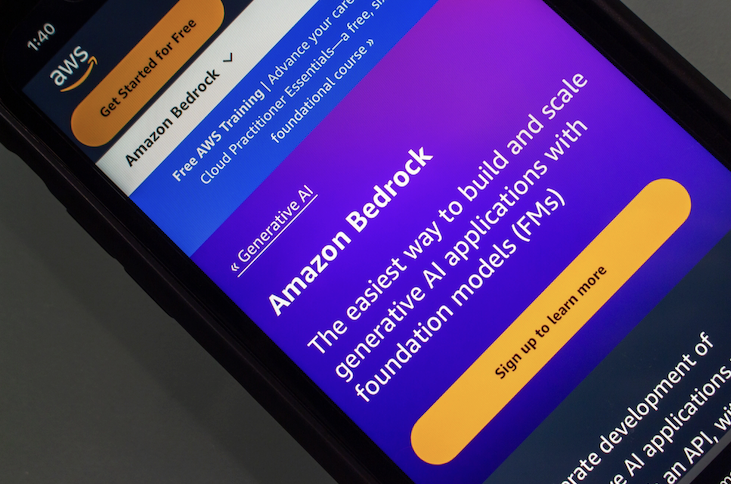
Researchers at security firm Permiso Security say attacks against generative artificial intelligence (AI) infrastructure like Bedrock from Amazon Web Services (AWS) have increased markedly over the last six months, particularly when someone in the organization accidentally exposes their cloud credentials or key online, such as in a code repository like GitHub.

Investigating the abuse of AWS accounts for several organizations, Permiso found attackers had seized on stolen AWS credentials to interact with the large language models (LLMs) available on Bedrock. But they also soon discovered none of these AWS users had enabled logging (it is off by default), and thus they lacked any visibility into what attackers were doing with that access.

So Permiso researchers decided to leak their own test AWS key on GitHub, while turning on logging so that they could see exactly what an attacker might ask for, and what the responses might be.

Within minutes, their bait key was scooped up and used to power a service that offers AI-powered sex chats online.

“After reviewing the prompts and responses it became clear that the attacker was hosting an AI roleplaying service that leverages common jailbreak techniques to get the models to accept and respond with content that would normally be blocked,” Permiso researchers wrote in a report released today.

“Almost all of the roleplaying was of a sexual nature, with some of the content straying into darker topics such as child sexual abuse,” they continued. “Over the course of two days we saw over 75,000 successful model invocations, almost all of a sexual nature.”

Ian Ahl, senior vice president of threat research at Permiso, said attackers in possession of a working cloud account traditionally have used that access for run-of-the-mill financial cybercrime, such as cryptocurrency mining or spam. But over the past six months, Ahl said, Bedrock has emerged as one of the top targeted cloud services.

“Bad guy hosts a chat service, and subscribers pay them money,” Ahl said of the business model for commandeering Bedrock access to power sex chat bots. “They don’t want to pay for all the prompting that their subscribers are doing, so instead they hijack someone else’s infrastructure.”

Ahl said much of the AI-powered chat conversations initiated by the users of their honeypot AWS key were harmless roleplaying of sexual behavior.

“But a percentage of it is also geared toward very illegal stuff, like child sexual assault fantasies and rapes being played out,” Ahl said. “And these are typically things the large language models won’t be able to talk about.”

AWS’s Bedrock uses large language models from Anthropic, which incorporates a number of technical restrictions aimed at placing certain ethical guardrails on the use of their LLMs. But attackers can evade or “jailbreak” their way out of these restricted settings, usually by asking the AI to imagine itself in an elaborate hypothetical situation under which its normal restrictions might be relaxed or discarded altogether.

“A typical jailbreak will pose a very specific scenario, like you’re a writer who’s doing research for a book, and everyone involved is a consenting adult, even though they often end up chatting about nonconsensual things,” Ahl said.

In June 2024, security experts at Sysdig documented a new attack that leveraged stolen cloud credentials to target ten cloud-hosted LLMs. The attackers Sysdig wrote about gathered cloud credentials through a known security vulnerability, but the researchers also found the attackers sold LLM access to other cybercriminals while sticking the cloud account owner with an astronomical bill.

“Once initial access was obtained, they exfiltrated cloud credentials and gained access to the cloud environment, where they attempted to access local LLM models hosted by cloud providers: in this instance, a local Claude (v2/v3) LLM model from Anthropic was targeted,” Sysdig researchers wrote. “If undiscovered, this type of attack could result in over $46,000 of LLM consumption costs per day for the victim.”

Ahl said it’s not certain who is responsible for operating and selling these sex chat services, but Permiso suspects the activity may be tied to a platform cheekily named “chub[.]ai,” which offers a broad selection of pre-made AI characters with whom users can strike up a conversation. Permiso said almost every character name from the prompts they captured in their honeypot could be found at Chub.

Some of the AI chat bot characters offered by Chub. Some of these characters include the tags “rape” and “incest.”

Chub offers free registration, via its website or a mobile app. But after a few minutes of chatting with their newfound AI friends, users are asked to purchase a subscription. The site’s homepage features a banner at the top that strongly suggests the service is reselling access to existing cloud accounts. It reads: “Banned from OpenAI? Get unmetered access to uncensored alternatives for as little as $5 a month.”

Until late last week Chub offered a wide selection of characters in a category called “NSFL” or Not Safe for Life, a term meant to describe content that is disturbing or nauseating to the point of being emotionally scarring.

Fortune profiled Chub AI in a January 2024 story that described the service as a virtual brothel advertised by illustrated girls in spaghetti strap dresses who promise a chat-based “world without feminism,” where “girls offer sexual services.” From that piece:

Chub AI offers more than 500 such scenarios, and a growing number of other sites are enabling similar AI-powered child pornographic role-play. They are part of a broader uncensored AI economy that, according to Fortune’s interviews with 18 AI developers and founders, was spurred first by OpenAI and then accelerated by Meta’s release of its open-source Llama tool.

Fortune says Chub is run by someone using the handle “Lore,” who said they launched the service to help others evade content restrictions on AI platforms. Chub charges fees starting at $5 a month to use the new chatbots, and the founder told Fortune the site had generated more than $1 million in annualized revenue.

KrebsOnSecurity sought comment about Permiso’s research from AWS, which initially seemed to downplay the seriousness of the researchers’ findings. The company noted that AWS employs automated systems that will alert customers if their credentials or keys are found exposed online.

AWS explained that when a key or credential pair is flagged as exposed, it is then restricted to limit the amount of abuse that attackers can potentially commit with that access. For example, flagged credentials can’t be used to create or modify authorized accounts, or spin up new cloud resources.

Ahl said Permiso did indeed receive multiple alerts from AWS about their exposed key, including one that warned their account may have been used by an unauthorized party. But they said the restrictions AWS placed on the exposed key did nothing to stop the attackers from using it to abuse Bedrock services.

Sometime in the past few days, however, AWS responded by including Bedrock in the list of services that will be quarantined in the event an AWS key or credential pair is found compromised or exposed online. AWS confirmed that Bedrock was a new addition to its quarantine procedures.

Additionally, not long after KrebsOnSecurity began reporting this story, Chub’s website removed its NSFL section. It also appears to have removed cached copies of the site from the Wayback Machine at archive.org. Still, Permiso found that Chub’s user stats page shows the site has more than 3,000 AI conversation bots with the NSFL tag, and that 2,113 accounts were following the NSFL tag.

The user stats page at Chub shows more than 2,113 people have subscribed to its AI conversation bots with the “Not Safe for Life” designation.

Permiso said their entire two-day experiment generated a $3,500 bill from AWS. Some of that cost was tied to the 75,000 LLM invocations caused by the sex chat service that hijacked their key. But they said the remaining cost was a result of turning on LLM prompt logging, which is not on by default and can get expensive very quickly.

Which may explain why none of Permiso’s clients had that type of logging enabled. Paradoxically, Permiso found that while enabling these logs is the only way to know for sure how crooks might be using a stolen key, the cybercriminals who are reselling stolen or exposed AWS credentials for sex chats have started including programmatic checks in their code to ensure they aren’t using AWS keys that have prompt logging enabled.

“Enabling logging is actually a deterrent to these attackers because they are immediately checking to see if you have logging on,” Ahl said. “At least some of these guys will totally ignore those accounts, because they don’t want anyone to see what they’re doing.”

In a statement shared with KrebsOnSecurity, AWS said its services are operating securely, as designed, and that no customer action is needed. Here is their statement:

“AWS services are operating securely, as designed, and no customer action is needed. The researchers devised a testing scenario that deliberately disregarded security best practices to test what may happen in a very specific scenario. No customers were put at risk. To carry out this research, security researchers ignored fundamental security best practices and publicly shared an access key on the internet to observe what would happen.”

“AWS, nonetheless, quickly and automatically identified the exposure and notified the researchers, who opted not to take action. We then identified suspected compromised activity and took additional action to further restrict the account, which stopped this abuse. We recommend customers follow security best practices, such as protecting their access keys and avoiding the use of long-term keys to the extent possible. We thank Permiso Security for engaging AWS Security.”

AWS said customers can configure model invocation logging to collect Bedrock invocation logs, model input data, and model output data for all invocations in the AWS account used in Amazon Bedrock. Customers can also use CloudTrail to monitor Amazon Bedrock API calls.

The company said AWS customers also can use services such as GuardDuty to detect potential security concerns and Billing Alarms to provide notifications of abnormal billing activity. Finally, AWS Cost Explorer is intended to give customers a way to visualize and manage Bedrock costs and usage over time.

Anthropic told KrebsOnSecurity it is always working on novel techniques to make its models more resistant to the kind of jailbreaks.

“We remain committed to implementing strict policies and advanced techniques to protect users, as well as publishing our own research so that other AI developers can learn from it,” Anthropic said in an emailed statement. “We appreciate the research community’s efforts in highlighting potential vulnerabilities.”

Anthropic said it uses feedback from child safety experts at Thorn around signals often seen in child grooming to update its classifiers, enhance its usage policies, fine tune its models, and incorporate those signals into testing of future models.

 

Read More

Scroll to Top